
When it comes down to it, the choice between an outdoor fireplace and a fire pit is all about the feeling you want. An outdoor fireplace centers your space, creating a cozy, room-like feel that’s great for smaller get-togethers. A fire pit, on the other hand, is all about that casual, open-circle vibe—perfect for bigger, more social gatherings.
So, do you want a big, eye-catching structure or a relaxed centerpiece for backyard parties?
Choosing Your Backyard Fire Feature
Deciding between an outdoor fireplace and a fire pit sets the mood for your whole outdoor living area. Each one brings its own special kind of warmth and light, but they are built for very different needs and styles.
Think of an outdoor fireplace as a tall, permanent structure, usually built from stone or brick, that gets a lot of attention. It’s a strong focal point that makes a patio feel like a real part of your home—like an "outdoor room."
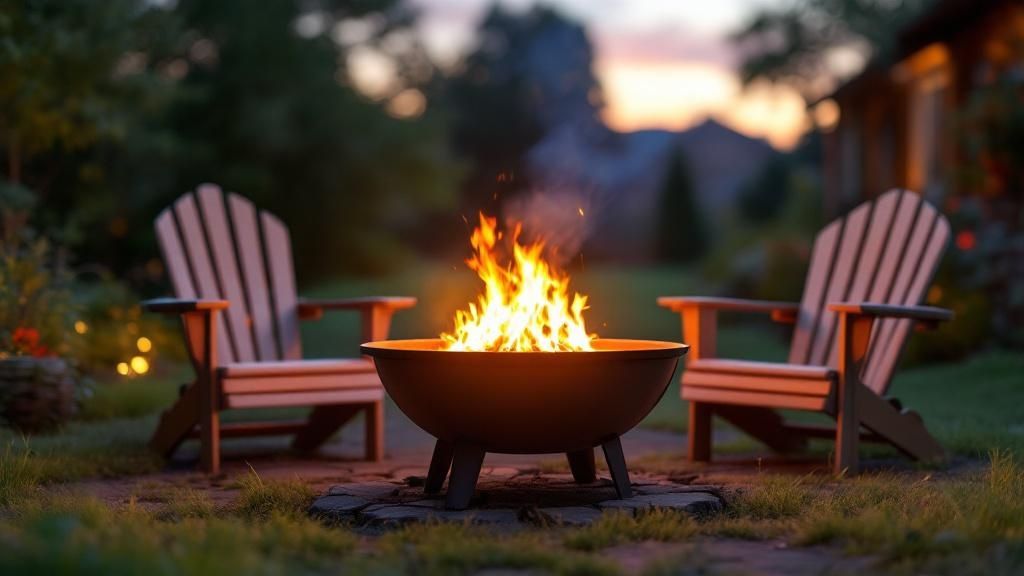
A fire pit is the more social and flexible option. Its open design allows for 360-degree seating, making it feel like a modern campfire where everyone can see each other and talk. From simple metal bowls you can move around to fancy, custom-built stone circles, fire pits come in a huge variety of styles and sizes. They can fit into almost any space you can think of.
Outdoor Fireplace vs Fire Pit At a Glance
To get started, this quick comparison table shows the main points, giving you a clear, side-by-side look at the basic differences between the two.
| Feature | Outdoor Fireplace | Fire Pit |
|---|---|---|
| Primary Vibe | Formal, cozy, structured | Casual, social, group-friendly |
| Best For | Creating an outdoor "living room" | Campfire-style gatherings |
| Seating Style | U-shaped, facing the fire | 360-degree circle around the fire |
| Typical Size | Large, needs a lot of space | Varies from small and portable to large |
This table gives you the basics, but the real decision is in the details—like how each one fits into your lifestyle and budget.
As you can see, fireplaces cost more to build but tend to be a bit less work to take care of each year. Fire pits, meanwhile, are a much more affordable way to get started.
Defining Your Outdoor Experience
Before you start looking at prices, take a minute to imagine how you'll actually use the space. Are you dreaming of quiet evenings with a few close friends and a glass of wine? Or is it all about fun backyard parties where the whole neighborhood is invited?
The choice between an outdoor fireplace vs a fire pit is less about the fire itself and more about the kind of social time you want to have. One creates a cozy focal point; the other builds a community circle.
An outdoor fireplace is probably a good choice for you if you want to:
- Add a large, permanent feature to your property.
- Create a sense of privacy and a cozier feel.
- Direct heat and smoke up and away from where you sit.
On the other hand, a fire pit is likely the better choice if you’d rather:
- Host larger groups and encourage easy, face-to-face conversation.
- Keep a clear, wide-open view of your yard and the stars.
- Have the option of a portable or less permanent feature.
Once you understand these basic differences, you'll be in a much better position to look at the other details we’ll cover next. Getting this first step right will help you end up with a fire feature you truly love.
Understanding Cost and Installation
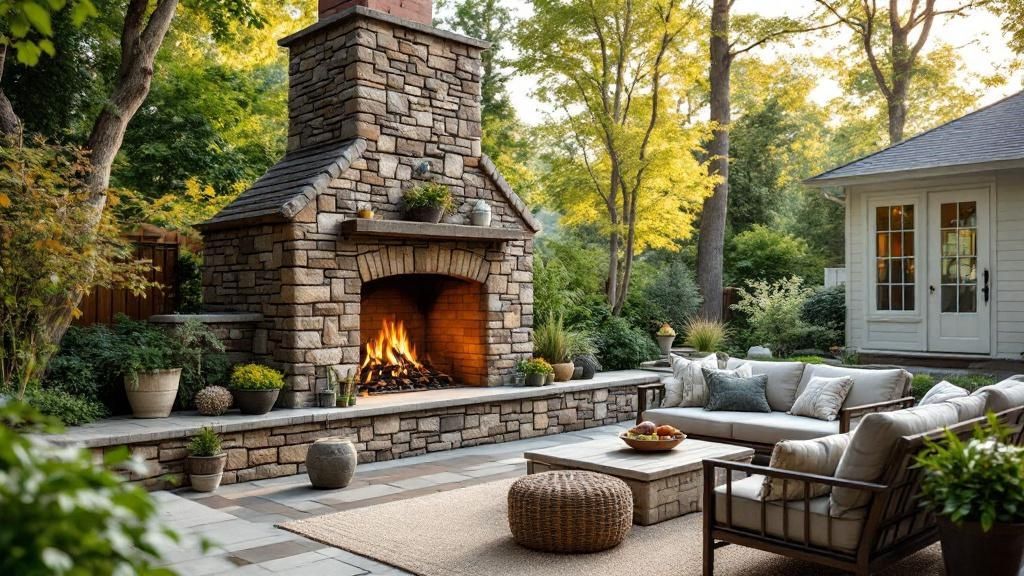
Let's get right to it: your budget is going to be one of the biggest factors in this decision. When you're comparing an outdoor fireplace to a fire pit, the price isn't just about the item itself. You have to think about installation, materials, labor, and even permits. Figuring out these numbers first will save you a lot of headaches later and help you pick something that fits both your backyard dreams and your wallet.
An outdoor fireplace is a big construction project, almost like adding a small room to your home. That’s why it’s the more expensive option by a lot. The work of pouring a strong foundation, building a chimney to let smoke out, and making a firebox from materials like stone or brick really adds to the cost.
Fire pits, on the other hand, have a much more flexible price range. You can buy a simple, portable metal bowl for a couple of hundred dollars. Or you can go all-in on a custom-built, permanent structure that could cost several thousand. This flexibility makes a fire pit a realistic option for almost any budget.
Breaking Down the Costs of a Fire Pit
For fire pits, the costs fit into a few clear groups. The easiest and cheapest way is a portable model you can buy at a store. These are usually made from steel and are ready to use right away, with prices between $150 to $700. They don’t need any professional installation—just find a safe, flat spot in your yard.
If you want something more permanent, a custom-built fire pit is a great choice. The cost here really depends on the materials and labor.
- DIY Kits: You can find ready-made kits at home improvement stores for $500 to $1,500. These usually come with the stone blocks and an insert, but you’ll have to put it together yourself.
- Professional Installation: Hiring a pro to build a custom fire pit can cost anywhere from $2,500 to over $7,000. The final price will depend on the size, your choice of materials (like pavers or natural stone), and whether you need a gas line installed.
The growth in outdoor living isn't just a fad; it's a real change in how we use our homes. Recent studies show that 60% of homeowners plan to spend between $1,000 and $5,000 on outdoor upgrades, making custom fire pits a very popular project.
Understanding Fireplace Installation Expenses
Putting in an outdoor fireplace is a totally different project—and a much bigger investment. Unlike a fire pit, a fireplace definitely needs a professional to make sure it's safe, stable, and built to last. A pre-made fireplace kit might seem like a shortcut, starting around $3,000 to $9,000, but that price doesn't include the labor to put it all together.
For a real, custom-built outdoor fireplace from a skilled builder, you should plan to budget between $10,000 and $25,000, and sometimes even more. This cost covers several important steps:
- Foundation: A strong concrete base is needed to hold the heavy weight of the structure.
- Construction: This is the building work itself—making the firebox, chimney, and hearth using materials like brick, stone, or concrete blocks.
- Labor: Building with stone and brick is a skilled job. A big part of your budget will go to paying experienced workers for their skills. Finding the right team is key, so it’s worth checking out a guide on the best stone and masonry contractors to get high-quality work.
- Permits: Most cities require building permits for a permanent structure of this size, which adds to the total cost and project time.
The whole process for a fireplace can take several weeks, from preparing the site and pouring the foundation to the careful construction. A custom fire pit, on the other hand, can often be built in just a couple of days. This huge difference in time and difficulty is a key thing to think about when you’re deciding between the two.
Comparing Design and Backyard Atmosphere
Before you even think about materials or fuel, ask yourself this: how do you want your outdoor space to feel? This is the most important question you can ask, because your choice between a fireplace and a fire pit will completely shape the mood of your backyard.
An outdoor fireplace makes a strong design statement. Just like an indoor one, it creates a clear focal point, anchoring your patio and giving it a sense of permanence. It makes you want to arrange furniture around it, creating a cozy and defined “outdoor room.”
This setup is perfect for more structured and private gatherings. Think of quiet evenings with close friends, comfortable talks, or a romantic night under the stars. The fireplace draws people in, creating a warm, enclosed feeling that helps people focus on each other.
The Fireplace as an Architectural Anchor
One of the best things about an outdoor fireplace is that it can match your home's style. Because it’s a permanent structure, you can match its materials—whether brick, stone, or stucco—directly to your house. This smooth connection makes your outdoor space feel less like a backyard and more like a real part of your home.
The design options are almost endless, letting you get a specific look:
- Rustic: A stacked stone fireplace with a heavy wood mantel brings a classic, cabin-like warmth.
- Modern: Sleek concrete or smooth stucco with clean, simple lines can create a stylish, simple vibe.
- Traditional: You can never go wrong with a classic brick fireplace, which offers a timeless, elegant look that feels both grand and welcoming.
And don't forget, a fireplace is tall. It can also act as a privacy screen, blocking unwanted views from neighbors or hiding a messy corner of your yard. It’s a feature that gets noticed and adds a real touch of luxury.
The Fire Pit as a Social Hub
A fire pit, on the other hand, is all about creating a casual, open, and friendly atmosphere. It's the modern-day campfire, a natural gathering spot that brings people together. Its round or square design encourages everyone to pull up a chair and have an easy, face-to-face talk.
That 360-degree access is what really changes the social feel. No one has their back to anyone else, making it great for fun parties, family s'mores nights, or any event where you want people to feel connected.
The main difference in atmosphere is simple: a fireplace creates an audience facing a stage, while a fire pit creates a circle of friends. The right choice depends entirely on the social energy you want for your backyard.
This open design also protects your view. If you have a beautiful garden or a great sunset view, a low-profile fire pit won't block it. Its flexibility is another big plus, with tons of styles to fit any look. If you’re looking for ideas, exploring different backyard fire pit ideas can help you picture what might work in your own space.
Fire pits come in a huge range of shapes, each with its own style:
- Round: The classic campfire shape, perfect for fitting more people and keeping conversations going.
- Square or Rectangular: These offer a more modern look and go well with straight-lined patio furniture.
- In-Ground: A sunken fire pit gives a sleek, low-profile look and creates a special, cozy gathering spot.
In the end, it all comes down to the kind of space you want to create. Are you dreaming of a grand, structured feature that defines a fancy outdoor room? Or are you looking for a relaxed, social hub that brings everyone together in a circle of warmth?
Fuel Types and Maintenance Needs
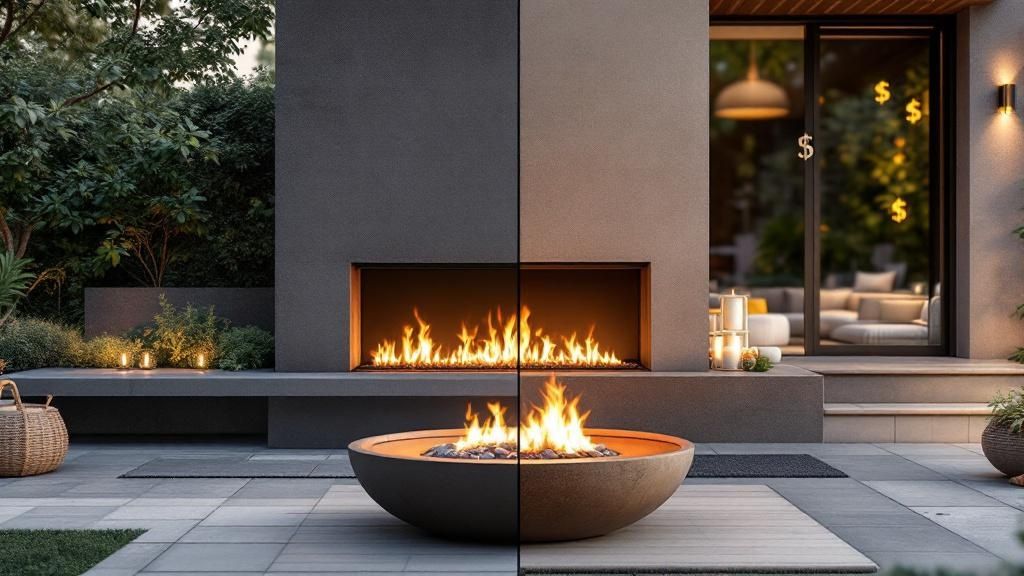
The feel of an outdoor fire has as much to do with the fuel as it does with the structure itself. The choice you make here will affect how easy it is to use, the atmosphere it creates, and the amount of cleaning you'll have to do.
While both fireplaces and fire pits run on similar fuels, they don't need the same amount of care. Your decision between classic wood, natural gas, or propane will really determine how much work goes into enjoying those cozy evenings by the fire.
For many people, nothing is better than the crackle and smoky smell of a real wood fire. It's the most real, campfire-like experience you can get. It's also the most work. You'll need a special spot to keep firewood dry, you'll have to build and watch the fire, and then there's the ash cleanup afterward.
This hands-on process is part of the fun for some, but for others, it’s just a chore. A wood fireplace does a better job of sending smoke up and away with its chimney. But for both styles, you have to scoop out ash regularly to keep the air flowing and prevent a messy buildup.
Wood Burning: The Classic Choice
Choosing a wood-burning fireplace or fire pit means you want a more rustic and involved experience. These models put out the most heat, by far, making them perfect for those really cold nights when you want serious warmth on your patio.
But that heat comes with some work. Besides just stacking wood and getting the fire going, you have to watch the embers and, of course, clean out the ash. For a fireplace, there’s an extra step: you must have the chimney inspected and cleaned every year to get rid of creosote, a dangerous, tar-like stuff that can build up inside.
Key Maintenance for Wood-Burning Features:
- Regular Ash Removal: After every few uses, scoop the old ash out of the firebox or pit. This is very important for good airflow.
- Annual Chimney Sweeping: If you have a fireplace, get a professional to clean it once a year to remove flammable creosote.
- Inspect for Damage: High heat can cause wear and tear. Regularly check your brick fireplace or stone fire pit for any cracks or damage.
Gas and Propane: The Convenient Alternative
If your perfect evening includes a fire at the push of a button with no cleanup, then natural gas or propane is your answer. These options are very convenient and burn cleanly—that means no smoke, no ash, and no sparks to worry about. It's no wonder they’re so popular for homeowners who want a nice atmosphere without the work.
Natural gas is usually the cheapest choice over time, if you can connect to a gas line at your home. It gives you a never-ending fuel supply, so you’ll never run out in the middle of a party. A propane fire pit or fireplace, on the other hand, runs off a refillable tank. This gives you more flexibility on where you can put it, since it isn't tied to a permanent line.
The real choice between fuel types comes down to atmosphere versus convenience. Wood provides a classic, full-sense experience, while gas offers an instant fire with very little work. Your lifestyle should help you choose.
While gas options are low-maintenance, they aren’t "no-maintenance." There are still a few simple tasks you'll need to do to keep everything running safely and looking great.
Upkeep for Gas and Propane Features:
- Clean the Burner: Every so often, you'll need to clear leaves, dirt, or other trash out of the burner holes to keep the flame steady and even. A simple soft brush usually works.
- Inspect Gas Lines: Check the hoses and connections regularly for leaks or signs of wear, especially on portable propane models.
- Protect the Unit: When you're not using it, put a weather-resistant cover over your fire feature. This protects the parts from rain and snow and keeps them clean.
In the end, your fuel choice in the outdoor fireplace vs fire pit debate depends on what matters most to you. If you really enjoy the process of building a fire and want that powerful, warm heat, wood is a great fit. But if you prefer a clean, smoke-free space and push-button ease, gas or propane is the clear winner.
Safety Rules and Placement Guides
There's nothing quite like gathering around a crackling fire in your own backyard. But whether you have a large outdoor fireplace or a simple fire pit, safety has to be your top priority. An open flame is an open flame, and knowing the rules for placement and use is a must.
When it comes to the outdoor fireplace vs fire pit debate, the biggest safety difference is how the fire is contained. A true outdoor fireplace is a fully enclosed structure with a chimney that sends smoke and sparks up and away. This design makes it a naturally safer choice for controlling the fire itself.
However, its large size and weight require a very strong, non-flammable foundation. A professionally built fireplace is like a fortress, but a poorly built one can become a huge danger if it shifts or falls.
Key Placement Rules for Any Fire Feature
Before you even think about lighting a fire, you need to plan its location. This is easily the most important safety step you can take. While you should always check your local laws, some general rules will help you stay safe.
A good rule of thumb is to keep any fire feature at least 10 to 25 feet away from your house, shed, or any other building. This safe space is your best protection against heat damage or a stray spark landing in the wrong spot.
Don't forget to look up. You need to be completely clear of low-hanging tree branches, power lines, and roof edges. We recommend a clear space of at least 20 feet above the fire to be safe.
The most common fire-related accidents I see come from bad placement. Take a few minutes to measure the distance from your home, fences, and overhanging trees before you build or buy. It’s a simple check that can prevent a disaster.
Fire Pit Safety Specifics
Because they're open to the weather, fire pits require a bit more attention. A sudden gust of wind can send embers flying into dry grass or onto a nearby deck. This is why their placement and your constant watch are so important.
To keep things safe, make these habits a normal part of using your fire pit:
- Use a Spark Screen: This simple mesh cover is your best friend. It sits right on top of the pit and does a great job of keeping sparks and embers inside, especially on a windy night.
- Clear the Area: Create a 10-foot circle around your fire pit that is completely free of anything that can burn. That means no dry leaves, pine needles, patio cushions, or stacked firewood.
- Never Leave it Unattended: A fire pit needs an adult watching it at all times. Never walk away, even for just a minute, while it's lit.
General Safety Habits for Everyone
Whether you choose a fireplace or a fire pit, a few safety habits are always important. Always keep a fire extinguisher, a bucket of water, or a garden hose nearby. And when the night is over, pour water on the embers until you no longer hear any hissing. Make sure the fire is completely out.
Good safety also comes from good maintenance. Keeping your fire feature clean and in good shape helps you spot possible problems before they become serious. You can find excellent tips in our guide to creating a complete landscape maintenance checklist that helps you manage every part of your yard.
The popularity of these features shows how much people want to turn their backyards into social spots. The global outdoor fire pits market was valued at USD 7.24 billion in 2023 and is expected to reach USD 13.11 billion by 2032. By following these simple safety rules, you can join the trend safely and create a warm, welcoming space you'll enjoy for years to come.
So, How Do You Choose?
Alright, let's wrap this up. You've seen the good and bad, the costs, and the styles. The final decision in the outdoor fireplace versus fire pit debate really comes down to how you plan to use your backyard. It’s about matching the feature to your lifestyle, not just picking the one that looks coolest. The right choice is the one you’ll actually be excited to use, year after year.
Think of it this way: if your dream is to create a true outdoor living room—a defined space that feels like part of your home—the outdoor fireplace is your answer. It's a big investment, but it adds a level of structure, permanence, and style that's hard to beat. It’s perfect for those quieter, more private evenings with a few close friends where good conversation is the main goal.
On the other hand, if you're imagining a more casual, social feel—a place where everyone can pull up a chair and hang out—the fire pit is the clear winner. Its open design is all about creating that classic campfire feel, making it the perfect center for larger groups, roasting s'mores, and telling stories. Fire pits also win for their flexibility and lower cost, making them a great option for almost any yard.
Making the Call: A Few Scenarios
To make it even simpler, let's look at a few common situations.
- For the Ultimate Party Host: If your house is always full of friends and family for backyard barbecues, a fire pit is the obvious choice. The 360-degree seating means no one gets left out of the circle.
- For the Homebody Who Loves Coziness: If your ideal evening involves a glass of wine with your partner or a quiet chat with a best friend, an outdoor fireplace gives a sense of privacy that a fire pit just can’t match.
- For the Smart, Budget-Savvy Homeowner: A fire pit is much more affordable if you're working with a smaller budget. From simple, portable models you can buy today to DIY kits that give you a custom look for less, there are options for everyone.
The growing popularity of fire pits is no accident; it shows a big shift toward creating more useful and social outdoor spaces. The North American fire pit market was valued at a huge USD 1.24 billion in 2023, and it's expected to reach USD 2.23 billion by 2035. Homeowners see them less as a simple feature and more as the heart of their backyard.
The Final Showdown: At a Glance
Here’s a simple table to help you see the main differences as you make your decision.
| Factor | Outdoor Fireplace | Fire Pit |
|---|---|---|
| Social Vibe | Private, formal, room-like | Casual, social, open-circle |
| Main Purpose | Creates a beautiful focal point | Encourages group hangouts |
| Property Value | High, seen as a permanent upgrade | Moderate, boosts appeal |
| Upkeep | Needs annual chimney checks | Simpler cleaning, especially gas |
Don't forget, the right fire feature does more than just keep you warm. It plays a huge role in elevating your home's exterior and property value.
In the end, it all comes back to the kind of experience you want to create. An outdoor fireplace is a powerful design piece that defines an entire area, while a fire pit is a flexible, inviting spot that brings people together.
A Few Final Questions
Even with all the details, you might still have a few questions. Let's answer some of the most common ones we hear from homeowners trying to decide between an outdoor fireplace and a fire pit. Getting these last points cleared up will help you feel completely sure about your final choice.
Which Adds More Value to My Home?
An outdoor fireplace is a major building project, so it almost always adds more direct value to your home. It’s seen as a permanent, high-end upgrade.
However, a well-designed custom fire pit that fits nicely into a welcoming patio can really boost your home's curb appeal. It can definitely attract buyers who are looking for a great outdoor social space.
Which Is Better for Cooking?
You can cook over both, but fire pits are usually the better choice here. Their open, 360-degree design is perfect for roasting marshmallows and hot dogs on sticks, and many models come with grill grate attachments.
While you can add a cooking grate to some outdoor fireplaces, their enclosed shape just isn't as good for group cooking.
The bottom line is that a fire pit offers a more real, campfire-style cooking experience that's great for getting the whole family involved.
Do I Need a Building Permit?
Permit rules can be very different depending on where you live, but here’s a general idea of what to expect:
- Outdoor Fireplace: A permanent, custom-built fireplace almost always requires a building permit because of its size, weight, and structure.
- Custom Fire Pit: A professionally installed fire pit, especially one connected to a natural gas line, will likely need a permit.
- Portable Fire Pit: Small, portable wood or propane fire pits usually do not require any permits.
It is very important to always check with your local city or county building office before you start any construction. This one simple step can save you from big problems and possible fines later on, making sure your project is safe and follows the rules.
Ready to transform your backyard into the ultimate retreat? The award-winning team at Tamura Designs has over 30 years of experience creating stunning, custom outdoor living spaces. From elegant stone fireplaces to inviting custom fire pits, we bring your vision to life with quality craftsmanship. Contact us today to schedule your consultation.
