
When you break it down, the difference between softscape vs. hardscape is pretty straightforward. Softscape is all the living stuff—the plants, grass, and soil. Hardscape covers the non-living, man-made structures like your patio, walkways, or a stone retaining wall.
Getting how these two work together is really the secret sauce to great landscape design.
Defining Your Landscape's Core Elements
Every beautiful outdoor space I've ever designed or admired strikes a perfect balance between these two. I like to think of hardscape as the "bones" of the landscape. It creates the permanent structure, carves out different zones for dining or relaxing, and directs how you move through the space.
Softscape, on the other hand, is the "living skin" that drapes over those bones. It brings the color, texture, and life that changes beautifully with the seasons.
There's a huge trend right now toward expanding a home’s usable space with durable outdoor features, and that’s where hardscape really shines. The global market for residential hardscaping is already valued at around US$0.56 billion and is expected to climb to US$1.33 billion by 2033. This boom shows just how much homeowners want permanent, high-value additions like outdoor kitchens and stone patios. You can discover more insights about this residential hardscaping trend online.
To really get a feel for this, let's look at the specific elements that fall into each category.
Key Takeaway: A successful landscape depends on balance. Hardscape gives you year-round structure and function, while softscape provides the dynamic beauty and natural feel. You really can't have one without the other—it just feels incomplete.
Core Components of Softscape and Hardscape
Here’s a simple table that lays out the primary elements for each category. It’s a great way to start visualizing the building blocks for your own outdoor project.
| Category | Softscape Elements (Living) | Hardscape Elements (Non-Living) |
|---|---|---|
| Plants | Trees, shrubs, flowers, vines, groundcover, turf grass | Patios, walkways, driveways, retaining walls |
| Ground | Soil, mulch, sand | Decks, pergolas, gazebos, fences |
| Features | Vegetable gardens, flower beds, living walls | Fire pits, outdoor kitchens, fountains, ponds, lighting |
Seeing them listed side-by-side makes it clear how these different components are meant to interact and support one another in a cohesive design.
Analyzing the Real Costs and Installation
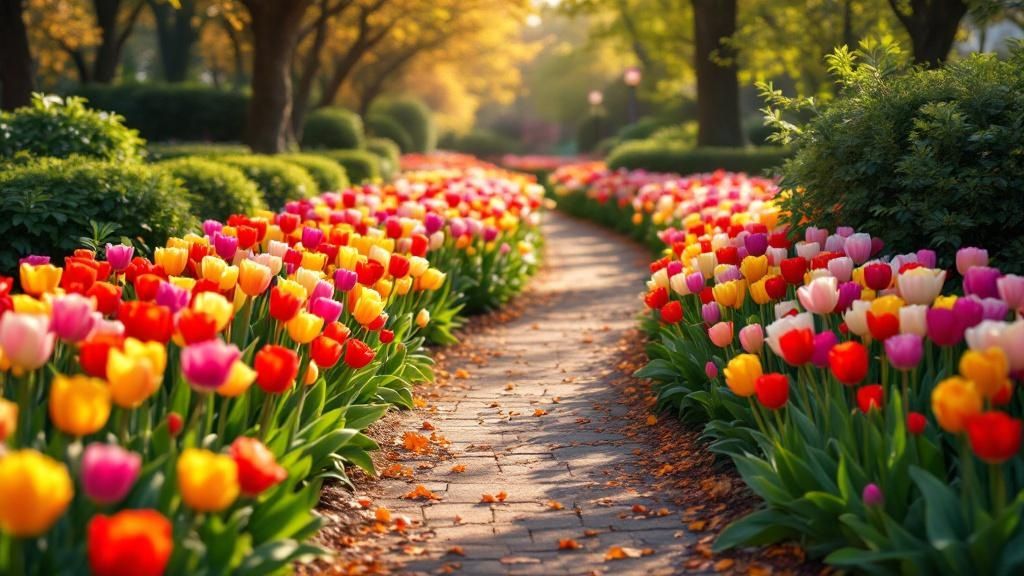
When we talk softscape vs. hardscape, the conversation always lands on budget. But a simple price tag doesn't even begin to tell the whole story. The real financial picture is a blend of the initial installation bill, the quality of your materials, and the value you get over the long haul.
Hardscape projects almost always come with a higher upfront investment. The costs add up quickly—from materials like natural stone or premium pavers to the intense labor needed for excavation, base prep, and skilled masonry work. These elements are the permanent bones of your outdoor space, and they demand precision and durability to last.
In contrast, softscape installation usually looks a lot friendlier on the initial invoice. Buying saplings, perennials, and a few bags of mulch is obviously less of a hit to the wallet than pouring a new concrete patio. But that first price can be a bit deceiving if you aren't thinking ahead about soil amendments, starter fertilizers, or even an irrigation system to make sure all your new greenery actually thrives.
Hardscape Investment Breakdown
The final cost of a hardscape project can swing wildly based on a few key decisions. For instance, the choice between standard concrete pavers and high-end bluestone can completely change your material budget. Labor is the other major line item, since a proper, long-lasting installation requires specialized skills to prevent future headaches like heaving or cracking.
Here’s what drives the cost of hardscape:
- Site Preparation: This is the unglamorous but critical work of excavation, grading, and compacting a solid sub-base for stability.
- Material Selection: Natural stone will almost always be pricier than manufactured concrete products.
- Labor and Equipment: You’re paying for skilled professionals and the machinery they need, especially for big jobs like retaining walls.
When you’re planning new hardscape features, getting a clear picture of the expenses is crucial. Using a dedicated cost estimation calculator can be a huge help here. A little prep work makes sure your vision and your budget are on the same page from day one.
Softscape Investment Factors
While softscape often seems more affordable, the cost really hinges on the maturity and type of plants you select. A landscape designed with mature, twenty-foot trees will have a dramatically different upfront cost compared to one planted with young saplings that will take years to fill in.
A mature tree can instantly transform a yard, giving you immediate shade and a sense of scale, but its price tag reflects the years a nursery has invested in its care. It’s the classic trade-off: paying more for instant impact versus investing in future growth.
Don't forget the ongoing costs, either. While they aren't part of the initial installation bill, they absolutely need to be factored into the total investment. We’re talking about water for irrigation, seasonal fertilizers, and replacing plants that don't make it. All of this contributes to the true financial picture over time.
Ultimately, the choice often boils down to this key difference: do you want to pay more upfront for permanence, or pay less initially for living elements that require continuous care and investment?
Comparing Maintenance and Long-Term Durability
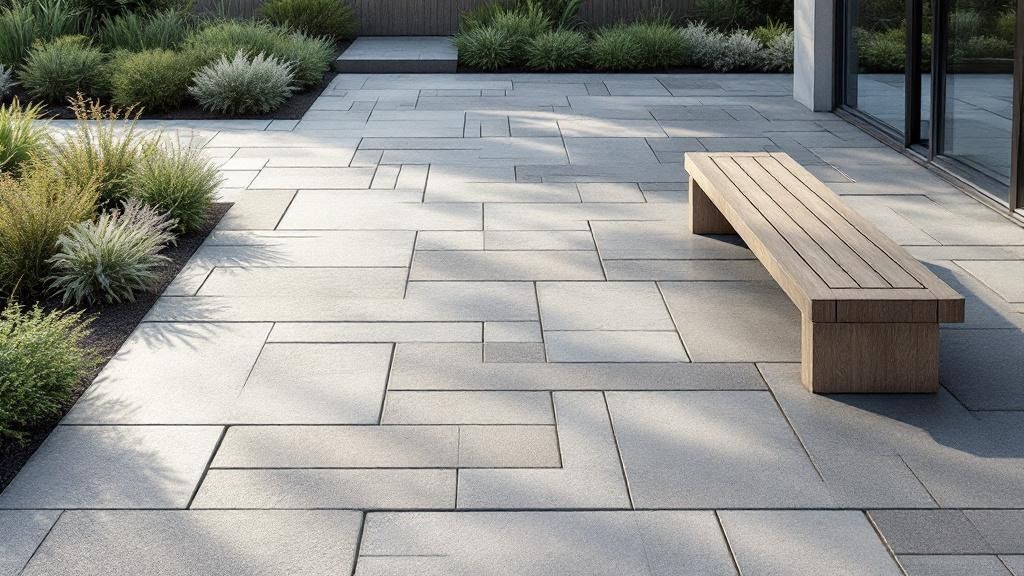
When we start talking about softscape vs hardscape, the conversation always finds its way to long-term care and durability. It's a crucial point, because the choices you make here will directly shape your weekend to-do list and future budget. Each side of the equation demands a completely different kind of commitment, and truly understanding that trade-off is how you build a landscape you’ll love for years, not just a season.
Softscape maintenance is a constant, cyclical process. It's the living, breathing part of your yard, and just like any living thing, it needs ongoing attention to really thrive. This isn’t a one-and-done project; it’s more like a relationship with nature that ebbs and flows with the seasons.
The tasks themselves are predictable but always on the calendar: watering, mowing, weeding, pruning, and fertilizing. Depending on what you’ve planted, you’ll also have seasonal jobs like putting in annuals each spring or raking leaves in the fall. It requires a genuine commitment of both your time and money.
The Permanence of Hardscape
Hardscape, on the other hand, is built to last. A professionally installed stone patio or retaining wall is engineered to face down the elements for decades with very few structural changes. That durability is one of its biggest draws, giving you a solid, reliable foundation for your outdoor living spaces all year long.
But here’s a critical distinction: “low-maintenance” is not the same as “no-maintenance.” While your patio won’t grow or die, it is absolutely subject to the daily grind of wear and tear.
Expert Insight: The main appeal of hardscape is its longevity, but its weakness is in the small details. If you ignore little things like weeds growing in paver joints or tiny cracks in the concrete, you're setting the stage for much bigger, more expensive headaches down the road.
To keep your hardscape looking sharp and prevent it from breaking down prematurely, you’ll need to tackle a few periodic tasks. These usually include:
- Annual Sealing: This protects surfaces like stamped concrete or porous natural stone from moisture damage and ugly stains.
- Pressure Washing: A good cleaning removes the grime, mildew, and moss that can build up, making surfaces look old and feel slippery.
- Weed Removal: You have to stay on top of weeds trying to take root in the joints between pavers or stones.
- Crack and Chip Repair: It’s vital to fix minor damage before it gets worse, especially if you live in a climate with harsh freeze-thaw cycles.
Proper drainage is also non-negotiable for preventing issues like heaving, sinking, or water stains on your hardscape. It's worth exploring the top patio drainage solutions for 2025 to make sure your investment is protected from the ground up.
Aligning Upkeep with Your Lifestyle
In the end, this decision really boils down to your lifestyle and how you want to spend your time outside. Are you someone who genuinely enjoys the hands-on process of gardening and nurturing plants? Or do you lean toward a space that’s always ready for guests with almost no prep work?
There's no "better" choice here—only the one that’s a better fit for you. I find that the most successful and enjoyable landscapes strike a beautiful balance, blending the enduring strength of hardscape with the evolving, living beauty of softscape. This creates a balanced environment where the upkeep feels both manageable and rewarding.
How Each Shapes Your Landscape's Aesthetic
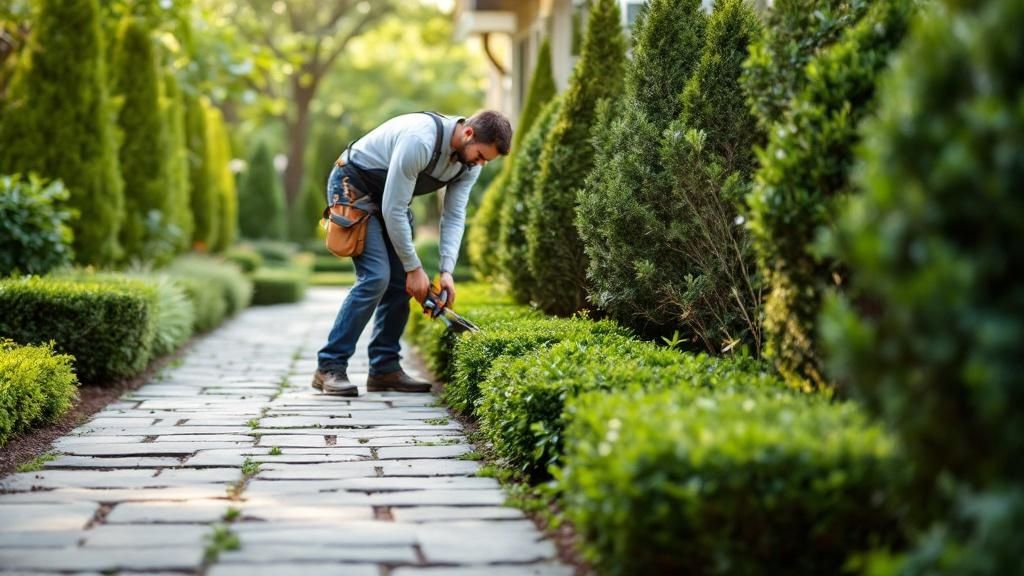
When you get right down to it, the most exciting part of the whole softscape vs hardscape conversation is how they work together to give your property its unique personality. Imagine your landscape is a blank canvas. Hardscape is what draws the bold outlines and defines the core structure, while softscape is the paint that fills it with color, texture, and life.
Hardscape elements are the architectural “bones” of your yard. They create the permanent framework and dictate how you use the space. A bluestone patio, for instance, provides a solid, intentional foundation for an outdoor dining area. A winding gravel path doesn't just look nice; it guides visitors through your garden, controlling the flow of movement. These fixed features establish a sense of scale, order, and year-round visual interest.
Softscape, on the other hand, is the living, breathing part of the equation. It brings a sensory experience that changes with the seasons—from the bright pastels of spring flowers to the deep, rich colors of autumn leaves. This constant evolution is what keeps a landscape from ever feeling static or boring.
The Interplay of Form and Life
The real magic happens where these two elements meet. The rigid, clean lines of a concrete retaining wall are instantly softened and made more appealing by the delicate tendrils of a climbing clematis. The hard, cool surface of a paver walkway feels completely different when it's framed by soft, low-growing ornamental grasses swaying in the breeze.
This interaction is absolutely critical for creating aesthetic balance. Too much hardscape can make a yard feel sterile and cold, almost like a commercial plaza. But a landscape with only softscape can feel wild and untamed, lacking clear purpose or defined areas for you to actually relax and entertain. You can see fantastic examples of this balance in these hardscaping patio ideas for Morgan Hill homes in 2025, where structure and nature work in perfect harmony.
The most compelling landscapes use hardscape to frame and highlight softscape, and softscape to soften and humanize hardscape. This synergy transforms a simple backyard into a cohesive outdoor room.
Creating Visual Harmony and Function
The demand for well-designed outdoor spaces has exploded. The entire landscaping market, covering both living and structural features, was valued at $331.05 billion and is on track to hit $714.81 billion by 2037. This really underscores how much homeowners value integrating both elements to craft beautiful, useful spaces.
Here are a few classic aesthetic pairings to consider:
- Structure + Privacy: A modern horizontal fence (hardscape) offers a strong architectural backdrop for a row of tall, slender Italian cypress trees (softscape), creating a lush, natural privacy screen.
- Elevation + Softness: A tiered stone wall (hardscape) builds functional planting beds perfect for cascading flowers and succulents (softscape), turning a sloped yard into a stunning visual feature.
Beyond these foundational elements, details like strategic garden lighting solutions can completely change your landscape's feel, adding depth and making it usable long after sunset. By thoughtfully combining softscape and hardscape, you create a landscape that isn’t just visually stunning but is also a perfect reflection of your personal style.
Creating a Balanced and Sustainable Design
The real magic in landscape design doesn’t come from choosing softscape or hardscape. It’s about how you blend the two to create a space that’s as smart as it is beautiful. A truly great design goes beyond just looking good; it builds a functional, harmonious environment where every single element has a purpose and supports the others. This is when a property really comes alive.
For instance, a classic problem with big, beautiful hardscape patios is water runoff. Instead of just letting that precious resource drain away, a smart design can channel it directly into a rain garden. This softscape feature instantly solves a drainage issue while creating a lush micro-ecosystem that brings in birds and pollinators.
Achieving Functional and Environmental Harmony
The ultimate goal is a landscape that works for you every day of the year while also giving back to the local environment. Hardscape gives you that essential, usable foundation—think of a stone dining area that’s always ready for an impromptu dinner party or a walkway that keeps your shoes from getting caked in mud. Softscape is what breathes life into that framework, providing critical environmental benefits.
Just imagine how a few well-placed deciduous trees (softscape) can cast cooling shade over a west-facing patio (hardscape) in the dead of summer. That simple pairing can make the space far more comfortable and even lower your home's cooling costs. It's this kind of thoughtful integration that elevates a design from merely decorative to genuinely sustainable. To explore these ideas further, check out our guide on sustainable landscape design.
The most thoughtful landscapes are ecosystems, not just collections of objects. They balance human needs for structure and comfort with nature's need for soil health, water conservation, and biodiversity.
Smart Pairings for Modern Landscaping
Creating distinct "zones" is a core principle I always come back to in my designs. It's about intentionally combining hardscape and softscape elements to serve a specific purpose. A solid hardscape outdoor kitchen, for example, provides all the utility, but planting a surrounding herb garden and some fragrant flowering shrubs gives you fresh ingredients at your fingertips and a wonderful ambiance.
Here are a few of my favorite ways to pair elements for maximum impact:
- For Privacy: A solid fence or wall (hardscape) offers immediate screening. But layering in some evergreen shrubs and tall ornamental grasses (softscape) in front of it softens the hard lines and adds a much more natural, textured look.
- For Slopes: Instead of seeing a hill as a problem, turn it into a feature. A series of tiered retaining walls (hardscape) can transform an unusable slope into elegant, plantable terraces perfect for showing off vibrant flowers or even a compact vegetable garden (softscape).
- For Entrances: A crisp flagstone walkway (hardscape) creates a clear and welcoming path to your front door. Frame it with colorful, low-maintenance perennials (softscape) on either side, and you've instantly created a warm, inviting first impression.
This visual breakdown really helps clarify the core differences at a glance.
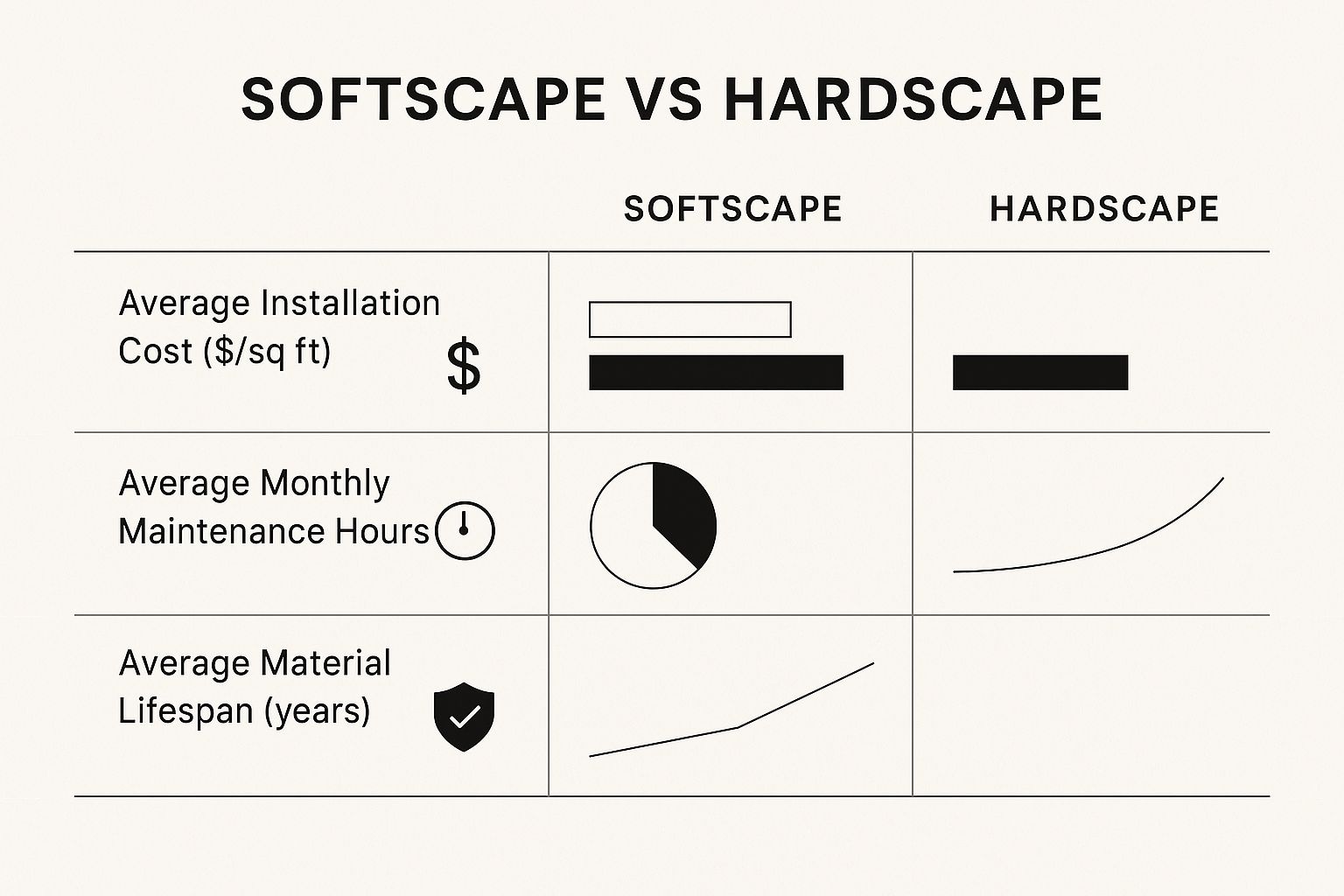
As you can see, the trade-off is clear: hardscape’s higher upfront investment is often balanced by its incredible longevity and minimal maintenance demands over the years.
Pairing Hardscape and Softscape for Key Goals
Thinking about your specific goals from the start is the key to a successful project. The table below shows how you can pair specific elements to achieve some of the most common landscaping objectives I hear from clients.
| Your Landscaping Goal | Effective Hardscape Solution | Complementary Softscape Element |
|---|---|---|
| Create a Low-Maintenance Entertainment Zone | A spacious paver or flagstone patio. | Drought-tolerant ornamental grasses and succulents in raised planters. |
| Build a Secluded, Relaxing Retreat | A high fence or a stone privacy wall. | A dense screen of fast-growing evergreen trees like Arborvitae. |
| Improve Curb Appeal and Welcome Guests | A clean, defined walkway made of brick or stone. | A colorful, layered border of seasonal perennials and low shrubs. |
| Manage Water and Prevent Erosion | Permeable pavers and strategically placed retaining walls. | A lush rain garden with water-loving native plants. |
| Add a Productive, Edible Garden | Raised garden beds built from wood or stone. | A mix of herbs, vegetables, and fruit-bearing shrubs. |
By being intentional with your choices—like using permeable pavers that let rainwater soak back into the ground or choosing native plants that thrive without constant attention—you create a landscape that is resilient, responsible, and perfectly suited to you.
Making the Right Choice for Your Property
So, how do you strike the right balance in the softscape vs. hardscape debate? It really comes down to an honest look at your property, your budget, and how you live your life. There’s no magic ratio here. The best landscape is one that fits your long-term goals and daily routines.
Forget thinking of them as competing forces. Instead, see them as partners that create one cohesive, beautiful design.
A good place to start is by getting real about your priorities. Do you dream of a low-maintenance yard that’s always ready for a last-minute get-together? That points toward more hardscape—a big patio or deck, maybe—framed by simple, easy-care softscape elements like ornamental grasses or a few container gardens.
On the other hand, if you're aiming for a lush, private escape where you can connect with nature, you'll lean heavily into softscape. This means prioritizing things like dense garden beds, privacy hedges, and mature trees. The hardscape would play a supporting role, perhaps as a simple path or a small, tucked-away seating nook.
A Framework for Your Decision
To bring some clarity to your planning, let's walk through a few critical factors. Answering these questions now will guide you toward a balanced design that works for you, saving you from expensive changes later.
- Your Lifestyle: How will you actually use the space? Is it for kids and dogs to run around, big weekend barbecues, or quiet mornings with a cup of coffee? Your answer directly shapes whether you need more open lawn (softscape) or a solid, functional patio (hardscape).
- Your Budget: Think about the upfront investment versus the long-term upkeep costs. Hardscape costs more to install but is generally cheaper to maintain over time. Softscape is the reverse—less expensive to plant initially but requires ongoing care.
- Your Climate: If you live in a hot, dry area, you might opt for more hardscape shaded by a few tough, drought-tolerant trees. In a region with heavy rain, permeable pavers and strategically placed rain gardens become smart, sustainable choices.
- Your Property Goals: Are you planning to sell in a few years, or is this your forever home? A well-designed, functional landscape with a good mix of both elements adds serious curb appeal and boosts property value.
Key Insight: Your final design should be a direct reflection of your life. Don't build a massive patio if you'd rather be gardening, and don't plant a complicated flower garden if you can't stand yard work. Authenticity is what makes a landscape feel right—a space you'll actually love and use for years.
It’s also worth noting that the landscaping industry itself is changing. A recent report found that while 52% of professionals are worried about rising material costs, 39% believe technology could significantly improve how projects are managed. This hints at a future where planning your ideal softscape and hardscape mix might become even more precise.
You can read the full 2025 landscape industry report to see what other trends are on the horizon. Ultimately, this framework will give you the confidence to invest in a beautiful, functional outdoor space that brings you joy for years to come.
Your Top Questions, Answered
When you're starting to think about a landscape project, the whole softscape vs. hardscape dynamic can bring up a lot of questions. Let's tackle some of the most common ones we hear from homeowners.
Hardscape or Softscape: Which Comes First in the Budget?
You should always plan and budget for your hardscape first. Think of elements like patios, walkways, retaining walls, and outdoor kitchens as the skeleton of your landscape. They are the permanent, structural pieces that define the space.
Putting these in first is crucial because the installation process is often more intensive and expensive. It just makes sense to get the heavy lifting and foundational work done before bringing in the more delicate softscape elements like turf and garden beds.
Our Take: We always tell clients to think of the hardscape as the home's foundation and the softscape as the decor. You have to build the walls before you can hang the pictures. This order of operations saves you from the headache and cost of ripping out new plants just to lay a patio you decide on later.
Can I Mix and Match Hardscape Materials?
Absolutely, and you definitely should! Combining different materials is one of the best ways to create a landscape with real character and depth. Mixing the rugged texture of natural stone with the clean lines of concrete pavers, or adding warm wood accents, can elevate a design from nice to stunning.
A great approach is to select one primary material for the main areas—like your patio floor—and then use a contrasting or complementary material for borders, steps, or retaining wall caps. This creates a look that’s layered and visually interesting without feeling chaotic.
