
So, you're thinking about adding a retaining wall to your property. It's a smart move for both aesthetics and function, but the first question on everyone's mind is always the same: what's this going to cost me? The short answer is that the average project lands around $6,068, but that number is just a starting point.
The final price tag is really a story told by your specific property—the size of the wall, the materials you choose, and just how tricky the terrain is. Thinking about the cost upfront is less about getting a single magic number and more about creating a financial roadmap for your project.
Your Quick Guide to Retaining Wall Costs
When you’re kicking off a major landscape project, getting a handle on the budget is priority number one. Understanding the potential cost of a retaining wall from the get-go lets you set a realistic budget and explore options that actually make sense for you. It’s the best way to avoid those unwelcome surprises and have a productive, informed chat with your contractor.
The cost isn't one flat fee; it's a dynamic range influenced by a few key factors. The biggest driver is the cost per linear foot, which climbs as the wall gets taller. It makes sense, right? A simple two-foot garden wall just doesn't demand the same level of engineering, deep footings, and reinforcement as a six-foot structural wall holding back a significant slope.
Key Takeaway: Your total retaining wall cost is a blend of materials, labor, and site-specific challenges. A tall, long wall on a steep, hard-to-reach slope will always be a bigger investment than a small, simple wall on flat, open ground.
A Starting Point for Your Budget
Let's put some real numbers to this. Looking at national averages, most homeowners find their total cost falls somewhere between $3,201 and $9,203. When you break it down, the price per linear foot typically lands between $40 to $360 for walls from two to six feet high. You can dig into more of what drives these national averages in this helpful cost guide.
That's a pretty wide range, and it exists because every single project is different. A wall built with affordable wood timbers will keep you at the lower end of that spectrum. On the other hand, a wall meticulously crafted from gorgeous natural stone will push you toward the higher end.
To help you visualize how these costs scale up, we've put together a simple table.
Estimated Retaining Wall Cost Per Linear Foot
This table gives you a general idea of how much you can expect to budget per linear foot based on the wall's height. Think of it as a quick reference to see how quickly costs can increase as you add height and structural complexity.
| Wall Height (feet) | Average Cost Per Linear Foot |
|---|---|
| 2-3 feet | $40 – $120 |
| 4-5 feet | $90 – $250 |
| 6+ feet | $180 – $360+ |
This gives you a solid financial snapshot to start with. Just remember, these are estimates. Your final cost will be shaped by local labor rates, whether you need to add a drainage system, and if an engineer's stamp of approval is required for a taller, more complex design.
How Material Choices Impact Your Budget
Choosing the material for your retaining wall is a lot like picking the right tires for a car. The choice dictates performance, longevity, and of course, the price tag. This decision is easily the most significant one you'll make, influencing not just the final look but the wall's long-term stability and the overall cost of the project.
You're essentially striking a balance between your upfront budget and your goals for the future. A cheaper material might feel like a win today, but will it mean you're rebuilding it sooner than you'd like? Let’s break down the real-world trade-offs between the most common retaining wall materials to help you see past the initial quote.
This infographic gives a great visual overview of the popular choices and what makes each one unique.
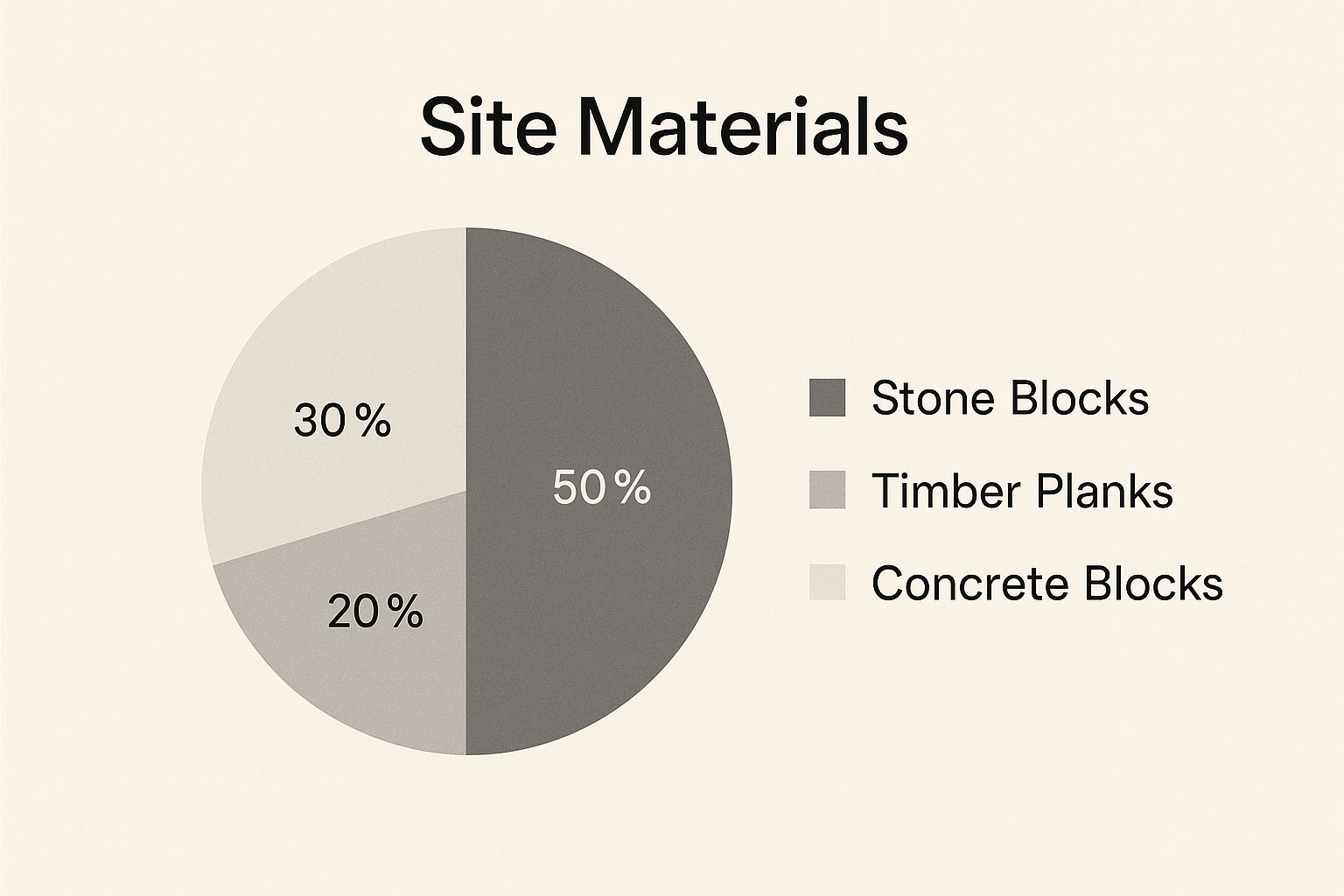
As you can see, every option brings something different to the table in terms of cost, strength, and style.
Concrete Blocks: The Versatile Workhorse
When you think of a modern retaining wall, you’re probably picturing segmental concrete blocks. These are the true workhorses of the landscaping world. They’re engineered to lock together, creating a seriously strong and stable wall that goes up relatively quickly, which makes them a go-to for countless residential projects.
Their popularity comes from a perfect marriage of affordability and design freedom. Manufacturers have gotten incredibly creative, offering a huge range of colors, textures, and sizes. You can get the look of natural stone without the hefty price tag, making them a fantastic mid-range option for most homeowners.
The only real downside? While they look great, they don't quite have the one-of-a-kind, timeless feel of quarried stone. The look is uniform and manufactured, which can be a plus or minus depending on your home's aesthetic.
Poured Concrete: The Modern Strongman
For a clean, minimalist, or modern vibe, nothing beats poured concrete. The process involves building custom forms and pouring a single, solid wall of concrete, almost always reinforced with steel rebar for incredible strength. This makes it a top-tier choice for very tall walls or any design needing crisp, architectural lines.
Its main superpower is its sheer durability. A properly installed poured concrete wall is one solid, monolithic piece that can handle immense pressure from the soil behind it. On the other hand, it's a very labor-intensive process that demands professional skill, placing it at a higher cost per square foot than its blocky cousin.
Wood Timbers: A Rustic and Budget-Friendly Fix
Wood and timber walls bring a natural, rustic charm that just feels right in many Bay Area landscapes, especially those with a more wooded or country-style setting. Right out of the gate, they are often the most wallet-friendly option you can choose.
That lower upfront cost is the big draw. But that savings comes with a major trade-off: lifespan. Even pressure-treated wood is fighting a losing battle against moisture, rot, and insects over time.
Important Consideration: A wood wall might only last you 15 to 20 years. In contrast, a well-built stone or concrete wall can easily last for 50 to 100 years or more. It's a short-term solution compared to more permanent materials.
Natural Stone: The Timeless, Premium Investment
When it comes to pure, unadulterated beauty and longevity, natural stone is in a league of its own. Every single stone is unique, creating a wall filled with character, texture, and a timeless appeal that manufactured products just can't duplicate. From rugged fieldstone to precisely cut granite, the aesthetic possibilities are endless.
Of course, this premium quality commands a premium price. Natural stone is by far the most expensive material, not just for the stone itself, but for the highly skilled labor needed to build with it. Constructing a proper stone wall is a true art form. If you're drawn to this stunning material, it's worth learning more about the craft behind custom stone masonry services to fully appreciate the expertise it demands.
To help you weigh your options, we've put together a simple comparison table that lays out the key differences.
Retaining Wall Material Cost and Lifespan Comparison
This table breaks down the typical costs, expected lifespan, and best use-cases for each of the main material types, giving you a clear, at-a-glance guide.
| Material Type | Average Cost per Sq. Ft. | Estimated Lifespan | Best For |
|---|---|---|---|
| Wood Timbers | $25 – $40 | 15-20 Years | Budget-conscious projects and rustic aesthetics. |
| Concrete Blocks | $30 – $60 | 50-100 Years | Versatile designs and a balance of cost and durability. |
| Poured Concrete | $45 – $75 | 50-100+ Years | Modern designs and walls requiring high structural strength. |
| Natural Stone | $60 – $120+ | 100+ Years | High-end, custom aesthetics and long-term investment. |
Ultimately, your choice of material is what sets the tone for the entire project. It's a decision that asks you to balance what you spend today with the lasting value and beauty you want for your landscape tomorrow.
Uncovering the Hidden Costs of Your Project
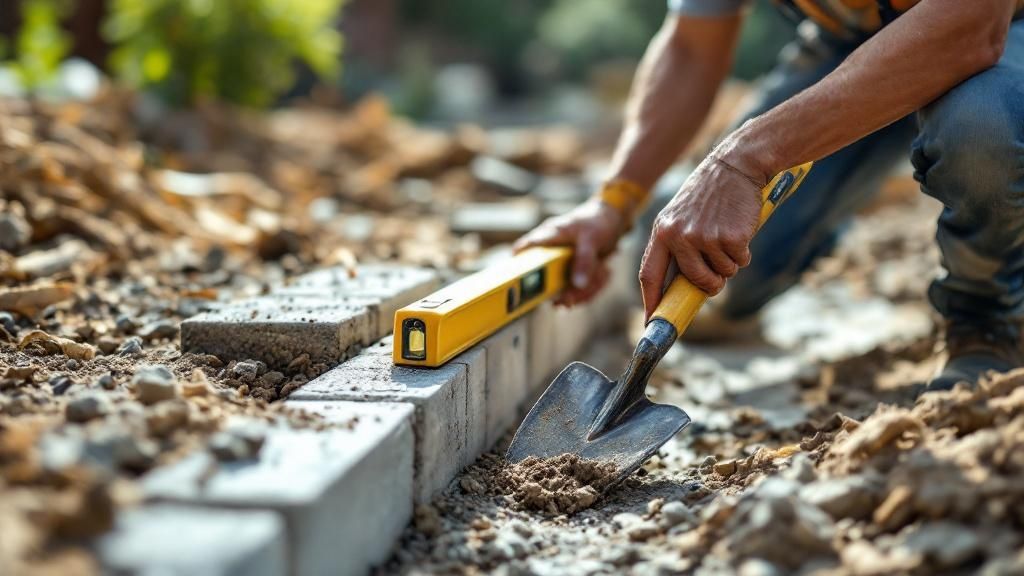
The price tag on materials gives you a great starting point for your budget, but it’s only one chapter of the story. The final cost of retaining wall construction is often shaped by factors lurking just beneath the surface—things that are easy to miss but can seriously inflate your final bill.
It's a bit like planning a big road trip. You budget for gas and hotels, but what about the surprise toll roads, pricey downtown parking, or the flat tire you didn't see coming? These are your project's hidden costs, and knowing about them upfront is the secret to keeping your budget on track. Beyond the wall itself, many projects run into common hidden costs that can throw a wrench in your financial plans, much like buying a new house.
Getting a handle on these variables is what makes the difference between a shaky budget and one that's as solid as the wall you're about to build.
The Critical Need for Engineering and Reinforcement
A small, two-foot decorative wall is one thing. But once you start talking about a retaining wall that’s three, four, or more feet tall, it’s no longer just a landscape feature. It becomes a serious structural element, holding back immense pressure from tons of earth.
This is exactly where a structural engineer becomes essential. They have to design the wall to handle specific loads, which adds a professional fee to your project. And that professional design will almost certainly call for reinforcement to guarantee the wall is safe and built to last.
Why Reinforcement is Non-Negotiable
A tall wall without proper reinforcement is like a bookshelf made of flimsy cardboard—it's destined to fail. The constant pressure from soil and water will eventually cause it to bow, crack, or completely collapse, leading to dangerous and expensive problems down the line.
Some of the most common reinforcement methods that add to the cost include:
- Steel Rebar: For poured concrete and many block walls, this is a must. Steel bars are embedded inside the structure to give it the tensile strength it needs to resist bending and cracking under pressure.
- Geogrid Fabric: This is a high-strength polymer mesh that gets laid in layers behind the wall and back into the soil. It essentially anchors the wall to the very earth it's holding back, making it dramatically more stable.
The Challenge of Site Accessibility and Preparation
Where your wall is going to be built plays a huge role in the final price. An easy, open site on flat ground is the dream scenario. But let's be honest, many projects in the rolling hills of the Bay Area present some unique challenges.
If your wall needs to be built on a steep slope or in a tight backyard with no room for heavy machinery, labor costs are going to climb. Every block, every bag of gravel, and all the dirt that has to be dug out must be moved by hand and wheelbarrow instead of an efficient mini-excavator. That kind of manual labor is slow, and it gets expensive fast.
On top of that, extensive site prep can add to your bill.
- Excavation and Grading: Your contractor has to dig a proper trench for the wall’s footing and grade the area correctly. If the soil is packed with rocks or is hard clay, this process simply takes more time and muscle.
- Removing Obstacles: Any old concrete, big tree roots, or buried utility lines in the wall's path must be dealt with, which can add unexpected costs to the job.
Drainage Is Not an Optional Add-On
One of the biggest enemies of a retaining wall is water pressure, known as hydrostatic pressure. When water saturates the soil behind a wall, it gets incredibly heavy and pushes against the structure with unbelievable force. If that water has no way to escape, that pressure is the #1 cause of wall failure. Period.
That’s why a proper drainage system isn’t an upgrade—it's a core component of any structural wall. It gives water a path to flow away freely, relieving that immense pressure and protecting your investment for years to come.
A standard drainage system will include:
- Backfill Material: A layer of clean, crushed stone or gravel is placed right behind the wall. This lets water trickle down easily instead of getting trapped in the soil.
- Perforated Drain Pipe: A pipe with small holes, often called a French drain, is laid at the base of the wall to collect all that water.
- Weep Holes or "Daylight" Exit: The pipe is then angled to carry the water away from the wall, either through small "weep holes" in the wall's face or by running it to a lower spot in the yard where it can drain out—a technique called "daylighting."
The materials and labor for this system are an added expense, but trying to save money by skipping it is a recipe for disaster. To see how these elements come together in real-world projects, you can get some great ideas by checking out our landscape and construction blogs.
Here is the rewritten section, crafted to sound like an experienced human expert.
Why Professional Installation is Worth Every Penny
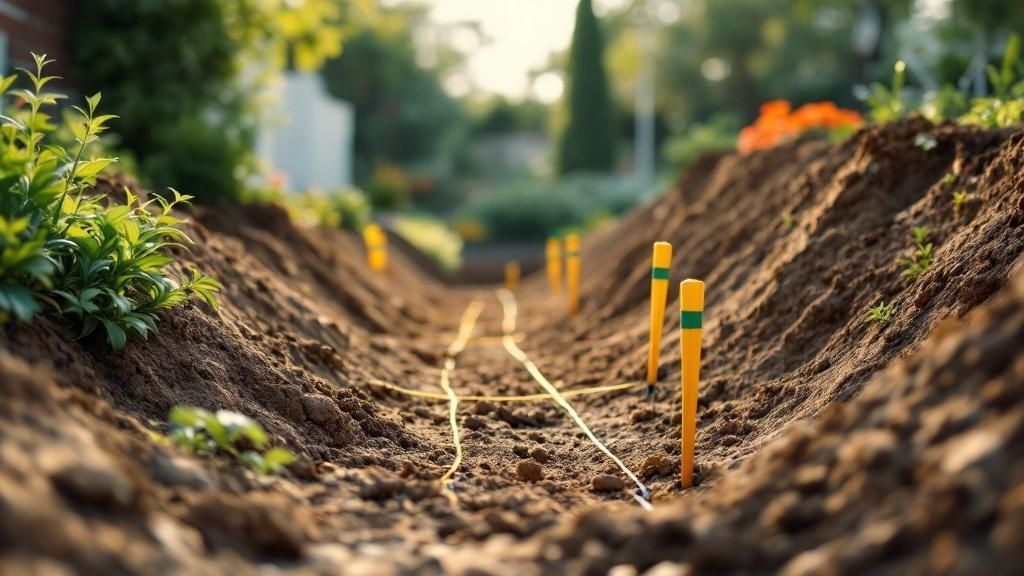
When you look at a quote for a retaining wall, it's easy to get sticker shock from the labor costs. But let’s be clear: when you hire a pro, you aren't just paying for someone to stack blocks. Labor often makes up 50% to 70% of the total project cost, and for good reason. You're investing in expertise, heavy machinery, and the sheer hard work it takes to build a wall that will actually last.
That number on the quote represents a whole process, not just a finished product. It covers everything from digging out the site to the skilled, precise placement of every single stone. This is where the real value is—the craftsmanship that keeps your wall standing strong instead of failing in a few years.
What You're Actually Paying For
Think of professional installation as an insurance policy against a future headache. A contractor's bid is a roadmap covering several critical steps, each needing the right skills and equipment. It’s a lot more involved than just piling up materials.
A professional quote will almost always factor in:
- Site Preparation: This is the messy part—clearing out plants, calling 811 to mark utility lines, and digging a deep, solid trench for the wall's footing.
- The Foundation: This is non-negotiable. The crew lays down and compacts a gravel base, getting it perfectly level. This single step is what prevents the wall from sinking and cracking down the road.
- Skilled Construction: Here’s where the artistry comes in. It’s the meticulous work of laying each course, checking the level, and installing drainage pipes and geogrid fabric to fight back against soil pressure.
- Backfilling and Compacting: Once the wall is up, the space behind it has to be filled correctly. This is done in careful layers, with the right gravel for drainage and soil that's compacted to prevent settling.
- Cleanup and Finishing: A true pro doesn't leave a mess. They haul away all the extra dirt and debris, leaving your yard looking sharp.
The Dangers of a DIY Structural Wall
I get it. The temptation to build a retaining wall yourself and save a few thousand bucks on labor is huge. But if that wall is holding back any kind of slope, it's a massive gamble. A failed retaining wall isn't just an ugly pile of rubble; it's a potential landslide that can cause catastrophic damage to your property.
Nearly every wall failure I’ve seen comes down to improper installation. The most common DIY mistakes are a weak footing, no drainage system, or skipping the reinforcement. The cost to fix a collapsed wall—and repair your patio, foundation, or lawn—will always be far more than what you would have paid for a pro in the first place.
A structural retaining wall is not a weekend project; it's an engineered system. The immense pressure from soil and water demands expertise that you just can't get from a YouTube video. Pay for a professional, and you pay for it to be done right the first time.
Choosing the Right Pro for the Job
Not all contractors have the same skill set. It's crucial to know the difference between a general landscaper and a dedicated hardscape contractor or mason. A landscaper might be fantastic with plants and garden beds, but building a wall that has to fight gravity every day is a different ballgame.
When you get bids, dig into the details. A vague, one-line quote is a major red flag. A good contractor will clearly list the materials, the wall's dimensions, the kind of drainage they plan to use, and how they'll reinforce it.
Before you sign anything, ask these questions:
- Are you licensed and insured for this specific type of structural work?
- Can I see a portfolio of retaining walls you've built that are similar to my project?
- Will you be the one to pull the necessary permits from the city of Morgan Hill?
- What kind of warranty do you offer, and what exactly does it cover?
Finding the right expert means your investment pays off with a beautiful, rock-solid wall that adds real value to your home for decades to come.
Smart Ways to Manage Your Retaining Wall Budget
You know what drives the cost of a retaining wall, but how do you actually keep that final price tag in check? A hefty bill isn't a foregone conclusion. With a bit of strategic planning and some smart decisions, you can get the wall you need without breaking the bank.
The trick is to start thinking like a contractor. Timing, design choices, and materials are where the real money is saved or spent. By focusing on these key areas, you can chip away at the total cost and end up with a beautiful, durable wall that fits your budget perfectly.
Plan Your Project Strategically
One of the easiest ways to find some savings is to be flexible with your project's start date. Landscaping contractors are slammed in the spring and summer. But if you can wait for their off-season—think late fall or winter—you’ll often find they’re more willing to negotiate a better price just to keep their skilled crews busy.
Another huge money-saver? Keep the design simple.
- Go Straight: A long, straight wall is always going to be cheaper to build than one with a lot of fancy curves, corners, or built-in steps. Every curve means more time spent cutting blocks and more intricate labor, which adds up quickly on the final invoice.
- Stay Short: Whenever possible, design your wall to stay under four feet tall. This is the magic number that often helps you avoid the extra cost and hassle of getting formal plans from a structural engineer and pulling special permits. That alone can save you a bundle.
Pro Tip: Ask your designer about building a tiered wall instead of one massive one. Creating two shorter, terraced walls can be a clever workaround to bypass those expensive engineering requirements, and it often creates a more visually interesting, terraced garden look.
Make Smart Material and Labor Choices
You don’t have to splurge on the most expensive materials for the entire wall. Think about a hybrid approach. Use those beautiful, premium decorative blocks for the sections everyone will see, then switch to a more basic, budget-friendly block for the parts that are hidden from view or less prominent. Nobody will be the wiser, but your wallet will definitely feel the difference.
You can also roll up your sleeves and contribute some "sweat equity" by handling the non-structural tasks yourself.
Here are a few safe DIY jobs you can tackle:
- Site Clearing: Get the area ready by removing old plants, small shrubs, and any other debris before the professionals show up.
- Material Staging: If you have the room, you can help move materials from the delivery spot to a staging area closer to the worksite, saving the crew time.
- Final Landscaping: Once the wall is complete, you can take over the fun part of planting new flowers, shrubs, or laying sod around it.
Just be sure to leave the heavy lifting—like excavation, building the foundation, and the actual wall construction—to the pros. This ensures your wall is structurally sound while still letting you shave down the labor bill. For a little inspiration on how a new wall can fit into a larger vision, it helps to browse examples of custom landscaping design and installation.
At the end of the day, controlling your budget comes down to knowing exactly where the money is going. Learning about efficient job and cost tracking gives you the same kind of visibility a contractor has, helping you make informed decisions every step of the way.
Here is the rewritten section, crafted to sound completely human-written and natural, following all your specific instructions.
More Than Just a Wall: The Engineering Behind Your Backyard Project
When you decide to build a retaining wall, you're tapping into a long and powerful history of engineering. The wall planned for your sloped yard isn't just a backyard project; it's a smaller version of the massive structures holding back mountainsides along highways. It works on the exact same principles.
Think of it like this: a huge civil engineering project might use what's called a gravity wall—an absolute beast of a structure that uses its own incredible weight to hold back the earth. Your residential wall is designed to do the same thing, just on a more personal scale. It's a precisely engineered system built to fight back against the relentless forces of nature.
A Global Need for Holding Our Ground
This isn't just a challenge for homeowners in Morgan Hill. Managing sloping land is a critical task across the globe, from protecting vital infrastructure to carving out usable land for new communities. That constant need has fueled a massive industry dedicated to smart, reliable engineering.
In fact, the global market for gravity retaining walls hit an estimated USD 2.5 billion in 2023. That number tells you just how essential these structures are. With infrastructure and development projects booming worldwide, that market is only expected to grow. You can read more about these global market trends to see the bigger picture.
Why This Engineering Matters for Your Home
Understanding that your wall is a small piece of a much larger engineering puzzle helps clarify why getting the design and installation right is non-negotiable. The very same principles that prevent a highway embankment from washing out are what will protect your patio, your foundation, and your investment.
A retaining wall isn’t a passive feature; it’s an active structure, working 24/7. It’s a carefully calculated balance of weight, friction, and drainage designed to tame the powerful forces of soil and water. When you invest in a professionally built wall, you're buying peace of mind rooted in decades of engineering success.
So whether you’re planning a simple garden wall or a major structural one, you're taking part in the essential human practice of shaping our environment for the better. It’s all about creating stability and preventing erosion to make the land safer and more useful. This context is key to understanding the real cost of a retaining wall—you aren't just buying blocks and labor, you're investing in the lasting stability of your property.
A Few Final Questions About Retaining Walls
After diving into all the details of retaining wall costs, it's natural to have a few last questions pop up. Honestly, it's a good thing. Getting these final points sorted out is what gives you the confidence to move forward and turn those plans into a solid, lasting reality.
Let’s tackle some of the most common questions we hear from homeowners. Getting clear answers now is the best way to prevent headaches and expensive missteps down the road.
Do I Need a Permit to Build a Retaining Wall?
More than likely, yes. This is especially true if your wall will be over three or four feet tall. Cities like Morgan Hill set height limits for unpermitted walls for a simple reason: public safety. Any wall holding back a serious amount of soil is a real structural project, and the city needs to know it's being built to last.
Getting a permit usually means submitting professional plans for review and approval. It’s absolutely critical to check with your local building department before a single shovel hits the dirt. Trying to skip this step can lead to some painful consequences, like hefty fines or, in a worst-case scenario, being ordered to tear down the very wall you just paid for.
Can I Save Money by Building the Wall Myself?
For a tiny, decorative garden wall—I’m talking about something under two feet high just to frame out a flower bed—you can definitely save on labor by doing it yourself. But for any wall that's actually structural and meant to hold back a slope, a DIY approach is incredibly risky.
The True Cost of DIY Failure: The money you think you're saving on labor is a drop in the bucket compared to the potential cost of a collapsed wall. A failure can trigger serious property damage and erosion, not to mention the expense of hiring a pro to clean up the mess and build it right the second time.
Getting the footings, drainage, and reinforcement right is a complex skill that only comes with real-world experience.
How Long Does a Retaining Wall Project Take?
The timeline can really swing depending on the wall's size, the materials you choose, and just how tricky the site is. A straightforward concrete block wall might only take a professional crew a few days from start to finish.
On the other hand, a large, engineered stone wall that needs major excavation, grading, and a serious drainage system could easily take one to two weeks, maybe even longer. And you always have to build in a buffer for things you can't control, like a week of bad weather or delays in getting the city inspector to sign off.
Does a Retaining Wall Increase Property Value?
Absolutely. A well-built, good-looking retaining wall is a fantastic investment that can give your property value a significant bump. It adds a few key benefits that potential buyers really notice and value.
A great wall accomplishes a few things:
- Improves curb appeal with a clean, finished look.
- Creates more usable flat land on a sloped lot, which is a huge premium.
- Prevents costly soil erosion, protecting both your landscape and your home's foundation.
It’s one of those improvements that isn't just cosmetic—it's seen as a smart, long-term upgrade to the property's stability and function.
Ready to transform your outdoor space with a beautiful and functional retaining wall? The team at Tamura Designs Landscape and Construction has over 30 years of award-winning experience creating custom landscape solutions in Morgan Hill and Silicon Valley. Let's build something that lasts. Learn more and schedule your consultation at https://tamuradesigns.com.
