
Transform your outdoor space into a thriving, water-wise oasis with the natural resilience of California's flora. As concerns over water usage continue to shape landscaping choices, turning to california native drought tolerant plants isn't just a trend; it's a smart, beautiful, and eco-conscious solution for any homeowner. These plants are uniquely adapted to our state's Mediterranean climate of wet winters and dry summers, allowing them to flourish with minimal irrigation once established.
This guide moves beyond simple suggestions, offering an in-depth look at eight standout species that provide year-round interest, crucial habitat for local wildlife, and a stunning aesthetic that is quintessentially Californian. We'll explore how to integrate these selections into a cohesive design, providing actionable advice for both new gardeners and seasoned landscapers.
For homeowners in communities like Morgan Hill, integrating these natives is a key step towards creating a landscape that is both breathtaking and environmentally responsible. Get ready to discover the plants that will redefine your garden's beauty and resilience, proving that a low-water garden can also be a lush and vibrant one.
1. California Poppy (Eschscholzia californica): The Golden State's Emblem
No list of California native drought tolerant plants would be complete without the state's official flower. The California Poppy is a quintessential symbol of the Golden State, blanketing hillsides and highway medians with its brilliant, cup-shaped golden-orange blooms. This hardy, self-seeding annual or short-lived perennial is remarkably easy to grow and provides a stunning, long-lasting display of color from February through September.
Beyond its beauty, the California Poppy is an incredibly resilient plant. It thrives in full sun and well-drained, even poor, soils, making it a perfect choice for homeowners in Morgan Hill looking for a low-maintenance, high-impact addition. Its fine, feathery blue-green foliage offers a soft texture that provides a beautiful contrast to the bolder leaves of plants like ceanothus or manzanita.
Why It's a Top Choice
The California Poppy is more than just a pretty flower; it's a dynamic and sustainable landscaping tool. Because it readily reseeds, it creates a natural, ever-changing meadow effect in the garden year after year. This self-propagation means less work for you and a garden that evolves with the seasons, a feature that appeals to busy professionals and environmentally-conscious homeowners alike. Its ability to thrive on neglect once established is a major benefit in our water-conscious climate.
To quickly understand its key characteristics, here is a summary of the California Poppy's essential care requirements.
This data highlights the plant's minimal needs, confirming its suitability for a low-water, low-maintenance garden design.
Practical Tips for Success
To get the most from this iconic California native, follow these specific guidelines:
- Sow in the Fall: For the best germination rates, directly sow seeds onto the soil in late fall, just before the winter rains begin. This mimics their natural life cycle.
- Embrace Full Sun: Plant poppies in a location that receives at least six hours of direct sunlight daily. More sun equals more flowers.
- Avoid Overwatering: Once established, these plants are exceptionally drought-tolerant. Overwatering is a common mistake that can lead to root rot and fewer blooms.
- Create a Meadow: Mix poppy seeds with other native wildflowers like lupine and tidy tips to design a naturalistic, multi-hued meadow that supports local pollinators.
2. Ceanothus (California Lilac): The Backbone of the Water-Wise Garden
Often called the California Lilac, Ceanothus is a cornerstone species among California native drought tolerant plants. This diverse genus includes everything from sprawling groundcovers like 'Carmel Creeper' to large, upright shrubs such as 'Concha'. They are celebrated for their spectacular spring displays, where they become completely covered in fragrant clusters of tiny flowers in stunning shades of blue, purple, and white, attracting a flurry of native bees and butterflies.
Ceanothus species are a fixture of California’s chaparral and coastal sage scrub ecosystems, making them perfectly adapted to our dry summers and wet winters. They thrive in full sun and require excellent drainage, making them an ideal choice for slopes, raised beds, or sandy soils. Their evergreen foliage, which can range from glossy deep green to a textured gray-green, provides year-round structure and beauty in the garden, a key consideration for homeowners in Morgan Hill looking for lasting visual appeal.
Why It's a Top Choice
Ceanothus is more than just a beautiful shrub; it's a powerful ecological tool. These plants are nitrogen-fixers, meaning they enrich the soil they grow in, benefiting surrounding plants. Once established, most Ceanothus varieties require absolutely no supplemental summer water, a significant advantage for environmentally-conscious homeowners. This makes them a fundamental element in creating a truly sustainable and low-maintenance landscape. Their versatility in form allows them to be used as feature shrubs, privacy screens, or erosion-controlling groundcovers. For those interested in seeing these plants used in professional designs, you can explore custom landscaping and outdoor living in Monterey.
Practical Tips for Success
To ensure your California Lilac thrives and becomes a garden showstopper, follow these key guidelines:
- Plant in the Fall: Establish Ceanothus in the autumn to allow its root system to develop with the winter rains, preparing it for the dry season ahead.
- No Summer Water: This is crucial. Once established, avoid watering near the root crown during the warm summer months, as this is the primary cause of failure.
- Prune with Care: If needed, prune lightly and selectively after the plant has finished flowering to shape it or remove dead wood. Heavy pruning can be detrimental.
- Choose the Right Species: With over 60 species and numerous cultivars, select a Ceanothus that is well-suited to your specific climate zone and garden size.
3. Manzanita (Arctostaphylos species): The Sculptural Backbone of the Garden
A true icon of the California landscape, Manzanita is more of an architectural element than just a plant. Prized for its stunning, smooth, mahogany-red bark, sculptural branching, and evergreen foliage, this plant provides year-round interest and structure. Manzanitas range from low-growing groundcovers like 'Emerald Carpet' to magnificent tree-like shrubs such as the 'Dr. Hurd' variety, making them one of the most versatile California native drought tolerant plants available.
These plants are champions of water conservation, thriving in the dry, sun-drenched conditions common to Morgan Hill. Their small, waxy leaves are perfectly adapted to minimize water loss, and their delicate, bell-shaped pink or white flowers provide a vital early-season nectar source for hummingbirds and native bees. The subsequent reddish-brown berries, resembling tiny apples ("manzanita" in Spanish), are a food source for birds and other wildlife.
Why It's a Top Choice
Manzanita’s value lies in its powerful, year-round presence and incredible resilience. Unlike seasonal perennials, it provides a permanent, sculptural framework that gives a garden a mature, established look. Its ability to flourish without summer water once established makes it a cornerstone of sustainable landscaping, appealing to busy professionals and environmentally-conscious homeowners who want a beautiful garden without constant maintenance or high water bills.
To fully appreciate its utility in a modern garden, here is a summary of the Manzanita's essential care requirements.
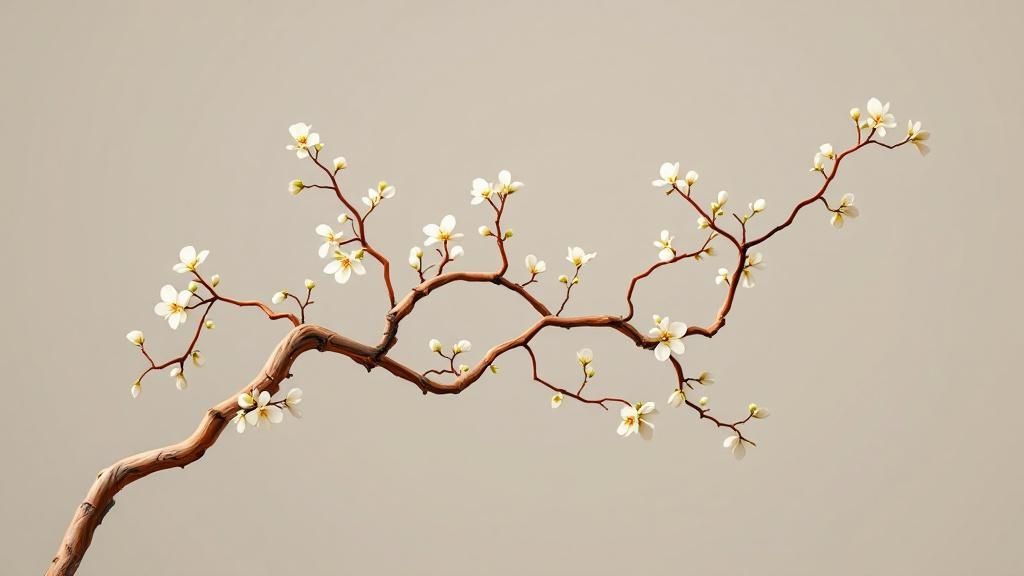
This data underscores the plant's adaptability and low-water needs, confirming its status as a premier choice for a climate-appropriate landscape design.
Practical Tips for Success
To ensure your Manzanita thrives and becomes a garden showpiece, follow these specific guidelines:
- Prioritize Drainage: Manzanitas demand excellent drainage. Amend heavy clay soils with sand or plant on a slope or mound to prevent root rot.
- Mulch with Gravel: Use inorganic mulch like gravel or decomposed granite around the base. Organic mulches can retain too much moisture and heat, which can harm the plant's crown.
- Water Wisely: Water deeply but infrequently during the first one or two dry seasons to establish a deep root system. Once established, most cultivars require no summer water.
- Choose Garden-Ready Cultivars: Select varieties specifically bred for garden settings, such as 'Howard McMinn' or 'Sentinel'. These have been selected by institutions like the Saratoga Horticultural Research Foundation for their reliability and beauty.
4. Lavender (Lavandula species): The Aromatic Mediterranean Guest
While not a true California native, Lavender has become a staple in water-wise gardens across the state due to its perfect adaptation to our Mediterranean climate. This aromatic perennial herb is celebrated for its slender spikes of fragrant purple flowers, which attract pollinators and humans alike. Its silvery-green foliage and intoxicating scent make it an essential component for any sensory garden, thriving in the same hot, dry conditions as many native plants. It is a workhorse among California native drought tolerant plants, offering color, texture, and fragrance with minimal water.
The versatility of lavender is showcased across California, from the stunning lavender fields at Matanzas Creek Winery in Sonoma to the practical, beautiful xeriscaped gardens throughout Southern California. It’s a plant that signals a commitment to both beauty and sustainability. Its ability to thrive in full sun with excellent drainage makes it an ideal companion for a rustic flagstone patio, where its soft texture can contrast with the hardscape elements.
Why It's a Top Choice
Lavender’s appeal goes far beyond its famous fragrance. It is exceptionally resilient, deer-resistant, and requires very little maintenance once established, making it a favorite for busy homeowners in Morgan Hill. The plant provides year-round visual interest with its evergreen foliage and offers a long blooming season through the summer months. For those particularly interested in one of the fragrant Mediterranean guests in a native garden, explore this definitive guide to Lavender plants. This adaptability and multi-sensory benefit secure its spot as a must-have for a low-water landscape.
Practical Tips for Success
To cultivate lush, fragrant lavender in your own garden, adhere to these key practices:
- Prioritize Drainage: Lavender despises wet feet. Plant it in well-draining soil, or amend heavy clay soils with sand or gravel. Raised beds are an excellent option.
- Embrace the Sun: A location with at least six to eight hours of direct sunlight is non-negotiable for healthy growth and abundant flowering.
- Prune Annually: After the first flush of flowers has faded, prune the plant back by about one-third to encourage bushy growth and prevent it from becoming woody.
- Water Wisely: Water deeply but infrequently, allowing the soil to dry out completely between waterings. Overwatering is the most common cause of failure.
- Ensure Airflow: Space plants far enough apart to allow for good air circulation, which helps prevent fungal diseases in our sometimes-damp coastal air.
5. Sage (Salvia species): The Aromatic Backbone of California Gardens
A cornerstone of California's natural landscapes, native Sages are essential for any authentic, low-water garden design. These aromatic shrubs, including prominent species like white sage (Salvia apiana), black sage (Salvia mellifera), and Cleveland sage (Salvia clevelandii), are fundamental to the state's chaparral and coastal sage scrub ecosystems. They provide wonderful silvery-green or dark green foliage, offering year-round structure, texture, and a distinctive fragrance that evokes the California hills.
Beyond their rugged beauty and intoxicating scent, native Sages are incredibly tough and well-adapted to our dry summers. They thrive in full sun and require excellent drainage, making them perfect for sunny slopes or rocky parts of a yard. From spring to early summer, they produce spikes of flowers in shades of white, blue, or purple that are highly attractive to hummingbirds, bees, and other vital pollinators, making them one of the best california native drought tolerant plants for supporting local wildlife.
Why It's a Top Choice
Sage is more than just a plant; it's an experience. The aromatic oils released by its leaves, especially on a warm day, create a sensory connection to the local environment that few other plants can offer. For homeowners in Morgan Hill, planting species like Cleveland sage can transform a simple garden into a fragrant oasis. Its ability to flourish with minimal water once established makes it a responsible and sustainable choice, perfectly aligning with the values of environmentally-conscious living and reducing landscape maintenance for busy professionals.
For a quick reference, here are the core characteristics and care needs for most native California Sages.
This data underscores the genus's adaptability and low resource requirements, confirming its place in a water-wise garden.
Practical Tips for Success
To cultivate healthy, thriving sage in your landscape, follow these specific recommendations:
- Prioritize Drainage and Airflow: Plant sages in well-draining soil and locations with good air circulation to prevent fungal issues. Avoid planting them in crowded spaces or low-lying, damp areas.
- Prune After Flowering: Lightly prune your sage after it finishes blooming in late summer or fall. This helps maintain a compact, attractive shape and encourages fresh growth for the following season.
- Water Deeply, Infrequently: Once established (after the first year), native sages need very little summer water. A deep watering once a month, or even less, is often sufficient. Avoid overhead watering on the foliage.
- Create a Chaparral Community: Combine different sage species with other chaparral natives like Ceanothus, Manzanita, and Toyon. This creates a resilient, cohesive, and ecologically functional plant community that mimics California's natural beauty.
6. Penstemon (Beardtongue): The Hummingbird's Favorite
For a vibrant splash of color and a guaranteed attraction for local hummingbirds, Penstemons are an unparalleled choice. These hardy perennials, also known as Beardtongues, produce beautiful, tubular flowers on tall stalks, available in an array of colors from fiery reds and pinks to cool purples and blues. They are a cornerstone of many California native plant communities, found everywhere from desert washes to high mountain meadows.
The diversity within this genus is remarkable, with species adapted to nearly every California climate. Notable examples include the brilliant red of the Scarlet Bugler (Penstemon centranthifolius) and the showy, pinkish-purple blooms of Palmer's penstemon (Penstemon palmeri). This adaptability makes them one of the most versatile california native drought tolerant plants for creating a dynamic, wildlife-friendly garden in Morgan Hill. Their upright form adds vertical interest that contrasts wonderfully with mounding shrubs like Ceanothus.
Why It's a Top Choice
Penstemons are a workhorse in the native garden, offering a long blooming season that often stretches from spring through summer. Their irresistible, nectar-rich flowers are a critical food source for hummingbirds, native bees, and butterflies, making them an essential plant for anyone looking to build a thriving backyard ecosystem. Once established, they require minimal water and thrive in the well-drained soils common in our region, a key benefit for the environmentally-conscious homeowner. Their resilience and ecological value make them a top-tier selection.
To quickly understand its key characteristics, here is a summary of the Penstemon's essential care requirements.
This data highlights the plant's minimal needs, confirming its suitability for a low-water, low-maintenance garden design.
Practical Tips for Success
To ensure your Penstemons flourish and provide season-long interest, follow these specific guidelines:
- Plant in Fall: Set out new plants in the fall to allow their root systems to establish with winter rains, leading to robust spring growth and flowering.
- Encourage Reblooming: Deadhead spent flower spikes regularly. This prevents the plant from setting seed and encourages a second or even third flush of blooms.
- Provide Good Drainage: Penstemons are susceptible to root rot in heavy, waterlogged soil. Amend clay soils or plant them in raised beds or on slopes to ensure excellent drainage.
- Divide for Vigor: Every 3 to 4 years, divide mature clumps in the fall to rejuvenate the plants and propagate them throughout your garden.
7. Toyon (Heteromeles arbutifolia): California's Native Holly
An iconic staple of the California landscape, Toyon, often called California Holly or Christmas Berry, is a large, evergreen shrub with a rich history. In fact, it's the plant for which Hollywood was famously named. This powerhouse plant offers year-round interest, with clusters of small white flowers in the summer giving way to dense bunches of brilliant red berries that persist through the winter, providing a vital food source for birds like cedar waxwings and mockingbirds.
Toyon is one of the most versatile and resilient california native drought tolerant plants you can choose. It thrives in various conditions, from full sun to partial shade, and adapts to different soil types, including clay. Its deep green, leathery leaves provide a lush, dense screen, making it an excellent choice for creating privacy or a living fence. Its size and structure also make it a fantastic foundation plant in a larger garden design.
Why It's a Top Choice
Toyon is much more than just a beautiful shrub; it's a cornerstone of the local ecosystem and a smart choice for fire-prone areas. Its inherent fire resistance makes it a preferred plant for firescaping, as seen in plantings around the Griffith Observatory and throughout the Santa Monica Mountains. For homeowners in Morgan Hill looking to create a garden that is both beautiful and safe, Toyon provides peace of mind. Its ability to create a significant visual impact with minimal water once established makes it a sustainable choice for any landscape.
For those looking to integrate this remarkable plant into a larger design, its structure and beauty can form the backbone of a custom outdoor living space. It provides the perfect backdrop for smaller perennials and grasses.
Practical Tips for Success
To ensure your Toyon thrives and becomes a magnificent feature in your garden, follow these specific guidelines:
- Plant in the Fall: Settle your plant into the ground in autumn to allow its root system to establish with the help of winter rains, reducing the need for summer watering.
- Space Adequately: Toyon can grow quite large, reaching up to 15 feet tall and wide. Plan accordingly and give it plenty of room to mature without crowding other plants.
- Prune Strategically: If shaping is needed, prune in the late winter or early spring right before new growth emerges. Avoid heavy pruning, as this can reduce the berry production for the following season.
- Combine with Chaparral Species: Pair Toyon with other natives like Ceanothus, Manzanita, and Sage to create a cohesive, water-wise, and habitat-rich chaparral garden that reflects California's natural beauty.
8. California Fuchsia (Epilobium canum): The Hummingbird's Favorite
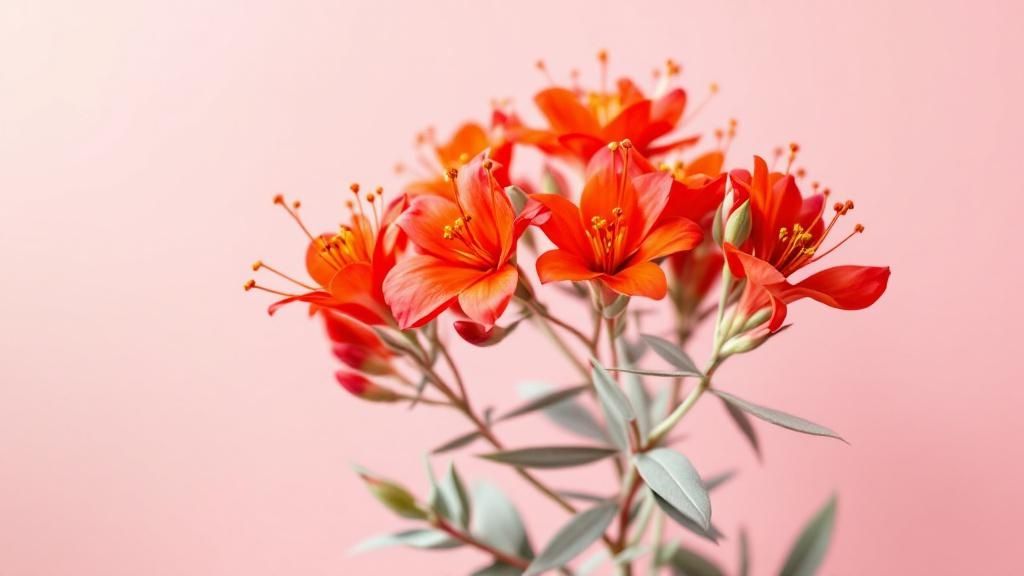
For homeowners looking to extend their garden's color palette into the late season, California Fuchsia is an essential addition. Also known as hummingbird trumpet, this low-growing, spreading perennial bursts into a fiery display of brilliant orange-red tubular flowers from late summer through fall. It’s a true workhorse among California native drought tolerant plants, providing a critical nectar source when many other garden plants have finished blooming for the year.
This plant is celebrated for its resilience and ability to thrive in challenging conditions, from full sun to partial shade and in a variety of soil types. Its silvery-green foliage creates a soft, mounding groundcover that can beautifully stabilize slopes or fill in garden borders. Its vigorous nature makes it a fantastic, low-maintenance choice for covering ground, as seen in large-scale plantings at places like the Getty Center or for habitat restoration projects on the Channel Islands.
Why It's a Top Choice
California Fuchsia’s primary value lies in its late-season bloom, a feature championed by experts like the Theodore Payne Foundation. While other plants fade, this fuchsia provides a spectacular show, attracting hummingbirds and other pollinators and ensuring your garden remains vibrant and ecologically active into autumn. This late-season performance is invaluable for a garden in Morgan Hill, offering visual interest and ecological benefits during the driest part of the year.
Its ability to spread via rhizomes makes it an excellent groundcover, effectively suppressing weeds and reducing the need for mulch once established. This vigorous growth habit makes it a sustainable and practical solution for busy homeowners who desire a beautiful landscape with minimal ongoing effort.
Practical Tips for Success
To ensure this vibrant perennial thrives in your garden, follow these specific strategies:
- Prune Hard in Winter: Cut the entire plant back to about six inches in late winter or very early spring. This encourages fresh growth and a more profuse bloom in the fall.
- Give It Room to Spread: Plant California Fuchsia where its spreading nature is an asset, such as on a hillside, in a large planter, or in a wide border.
- Use Companion Plants: Combine it with bunch grasses like deer grass (Muhlenbergia rigens) or foothill sedge (Carex tumulicola) to help contain its spread and create a beautifully textured, naturalistic planting.
- Divide as Needed: To manage its size or propagate new plants, divide the clumps every few years. This is best done in the fall or winter when the plant is dormant.
Drought Tolerance Comparison of 8 California Natives
| Plant | Implementation Complexity 🔄 | Resource Requirements ⚡ | Expected Outcomes 📊 | Ideal Use Cases 💡 | Key Advantages ⭐ |
|---|---|---|---|---|---|
| California Poppy | Low — easy to grow from seed; self-seeding annual | Very low water after establishment | Long blooming season (Feb–Sept), attracts pollinators | Xeriscapes, wildflower meadows, poor soils | Drought-tolerant, low maintenance, extensive bloom |
| Ceanothus (California Lilac) | Moderate — shrub pruning and site selection needed | Low water but avoid summer irrigation | Spectacular spring flowers; improves soil nitrogen | Slopes, erosion control, native chaparral gardens | Nitrogen-fixing, erosion control, diverse species |
| Manzanita | Moderate to high — slow establishment, specific soil needs | Very low water; well-draining soil required | Year-round structure and habitat, fire-resistant | Architectural landscapes, drought-tolerant gardens | Ornamental bark, wildlife value, fire resistance |
| Lavender | Low to moderate — requires pruning & well-drained soil | Low water; tolerates drought once established | Fragrant flowers, multipurpose (culinary, medicinal) | Water-wise gardens, pollinator attraction, aromatics | Deer/rabbit resistant, long bloom, low maintenance |
| Sage | Low to moderate — annual pruning to maintain shape | Very low water once established | Year-round structure, attracts hummingbirds & butterflies | Chaparral gardens, habitat restoration | Drought-tolerant, culturally significant, wildlife habitat |
| Penstemon | Moderate — requires seasonal deadheading and possible division | Low to moderate water, varies by climate | Long blooming attractor for hummingbirds | Pollinator gardens, cut flower production | Outstanding hummingbird attractor, diverse colors |
| Toyon | Moderate to high — slow growing, needs space | Low water once established | Year-round interest, food for birds, fire-resistant | Large landscapes, wildlife gardens, defensible space | Wildlife food source, fire resistance, seasonal interest |
| California Fuchsia | Low to moderate — spreading habit requires management | Very low water | Late season bloom, high hummingbird attraction | Late-season pollinator gardens, slopes & groundcover | Extends bloom season, excellent hummingbird food |
Your Sustainable Garden Awaits
Choosing from this curated list of California native drought tolerant plants is the first step toward creating a landscape that is as resilient as it is beautiful. Moving beyond the traditional lawn, you are embracing a new paradigm of gardening, one that is in sync with our unique Mediterranean climate here in places like Morgan Hill and the greater Silicon Valley area. By embracing species like Ceanothus, Manzanita, and native Sages, you're not just saving water; you're restoring a piece of California's natural heritage, supporting local wildlife, and designing a garden that truly belongs to its environment.
Imagine a landscape alive with the buzz of native pollinators, the flash of a hummingbird's wings drawn to the California Fuchsia, and the subtle fragrance of native sages on a warm afternoon. This vision can be your reality, all while significantly reducing your maintenance chores and water bills. The plants we've explored, from the iconic California Poppy to the evergreen structure of Toyon, offer a full palette for creating a stunning, year-round garden.
Weaving Your Native Tapestry
The true art of sustainable landscape design lies in combining these elements into a cohesive and functional ecosystem. A successful native garden is more than just a collection of individual plants; it's a carefully orchestrated community.
- Create Structure and Layers: Use evergreen anchors like Manzanita and Toyon to provide year-round form and a backdrop for other plants.
- Plan for Seasonal Interest: Layer in plants that offer sequential blooms. Start with the explosive blue of Ceanothus in spring, followed by the delicate flowers of Penstemon in summer, and finish with the vibrant red trumpets of California Fuchsia for a brilliant fall finale.
- Design for Wildlife: Intentionally placing these plants creates a habitat. A cluster of Sage will attract bees, while the tubular flowers of Penstemon are perfect for hummingbirds. Toyon berries provide a critical winter food source for birds.
Your Next Steps to a Thriving Garden
The key to long-term success with California native drought tolerant plants is thoughtful planning and expert implementation. A professional can help you navigate soil preparation, hydrozoning, and irrigation setup, ensuring your new garden thrives from day one. They can translate your vision into a functional plan that considers sun exposure, soil type, and your family's lifestyle needs, turning a simple plant list into a breathtaking outdoor living space. Investing in a professionally designed and installed native garden is an investment in your property's value, your quality of life, and the ecological health of our Morgan Hill community.
Ready to transform your Morgan Hill, Monterey, or Silicon Valley property into a showcase of sustainable design? At Tamura Designs Landscape and Construction, we specialize in integrating these beautiful, hardy plants into stunning, custom outdoor living spaces that stand the test of time. Let's work together to create an outdoor sanctuary that reflects your vision and honors the natural beauty of California. Contact Tamura Designs Landscape and Construction today to schedule your consultation.
