
Short on space but big on style? Succulents are the perfect horticultural solution. These resilient, low-water plants thrive in compact environments, making them ideal for urban dwellers, apartment residents, and anyone looking to add a touch of green without a sprawling yard. Their diverse shapes, colors, and textures offer endless design potential, allowing for stunning displays in even the most limited areas. This guide is built for homeowners seeking to maximize their living areas, offering a curated collection of creative and practical succulent garden ideas for small spaces.
We will move beyond generic advice to provide actionable tips for cultivating a stunning, low-maintenance oasis, no matter how limited your square footage. You will learn how to implement vertical masterpieces, charming tabletop displays, and clever repurposed planters. We'll dive into innovative designs that leverage every inch, from tiered arrangements to intricate terrariums, ensuring you can enjoy the beauty of a garden in the most modest settings. For Morgan Hill homeowners considering a larger-scale transformation, expert firms like Tamura Designs Landscape and Construction specialize in integrating these beautiful, sustainable concepts into comprehensive outdoor living areas. Let's explore the specific designs that will transform your tiny space.
1. Vertical Succulent Walls
When floor space is at a premium, the only way to go is up. A vertical succulent wall transforms an empty, overlooked surface into a breathtaking piece of living art. This is one of the most impactful succulent garden ideas for small spaces, creating a stunning focal point without consuming a single square inch of your patio, balcony, or interior floor. These systems use wall-mounted frames, felt pockets, or interlocking modular panels to hold plants and a lightweight growing medium.
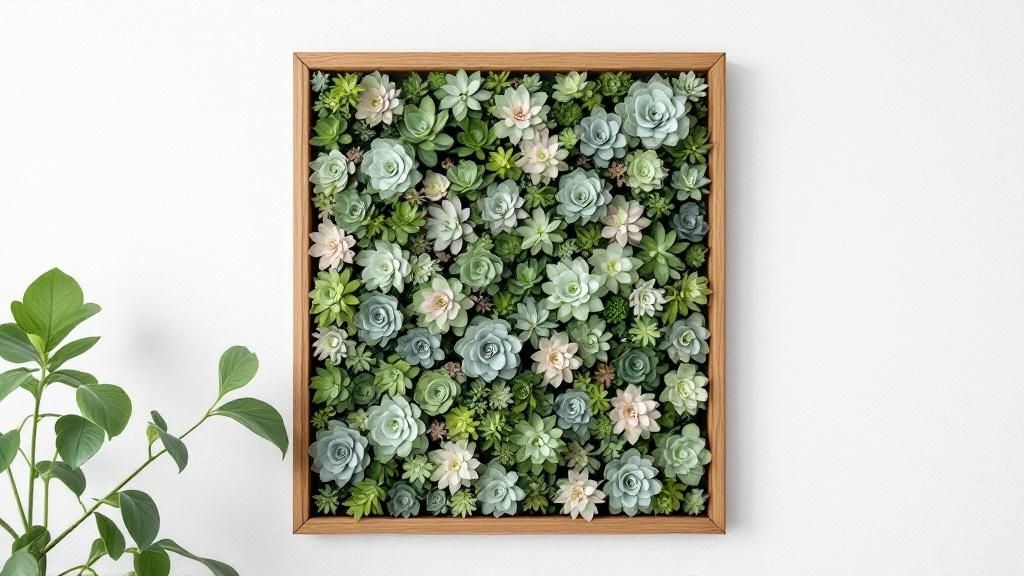
This approach is perfect for modern apartment balconies in Morgan Hill, adding a lush, green element to urban architecture. It also serves as a sophisticated accent wall in commercial settings like cafes or office lobbies, bringing natural texture and color indoors. The concept, popularized by pioneers like Patrick Blanc and accessible through systems like Florafelt and Woolly Pocket, makes large-scale vertical gardening achievable for homeowners.
How to Implement a Succulent Wall
To ensure your living wall thrives, careful planning is crucial. Follow these actionable steps for a successful installation:
- Choose the Right Plants: Opt for succulents with shallow root systems that won’t require deep soil. Varieties like Echeveria, Sedum, Sempervivum, and Crassula are excellent choices due to their compact growth habits and diverse colors.
- Ensure Proper Backing: Protect your home’s structure by installing a waterproof barrier behind the entire vertical garden system. This prevents moisture damage to the wall over time.
- Use Lightweight Medium: A specialized, lightweight potting mix designed for vertical gardens or succulents is essential. This reduces the overall weight and stress on the wall and mounting hardware.
- Plan for Irrigation: For larger installations, a built-in drip irrigation system on a timer ensures consistent, efficient watering without oversaturating the plants or causing runoff. For smaller walls, careful hand-watering is sufficient.
2. Tiered Planter Arrangements
Creating depth and dimension is key to making a small garden feel larger and more dynamic. Tiered planter arrangements achieve this by using a collection of containers of varying sizes and heights to build a multi-level display. This is one of the most versatile succulent garden ideas for small spaces, allowing you to maximize planting area on a patio, entryway, or balcony corner without a large footprint. By layering plants, you create a lush, cascading effect that draws the eye upward and adds significant visual interest.
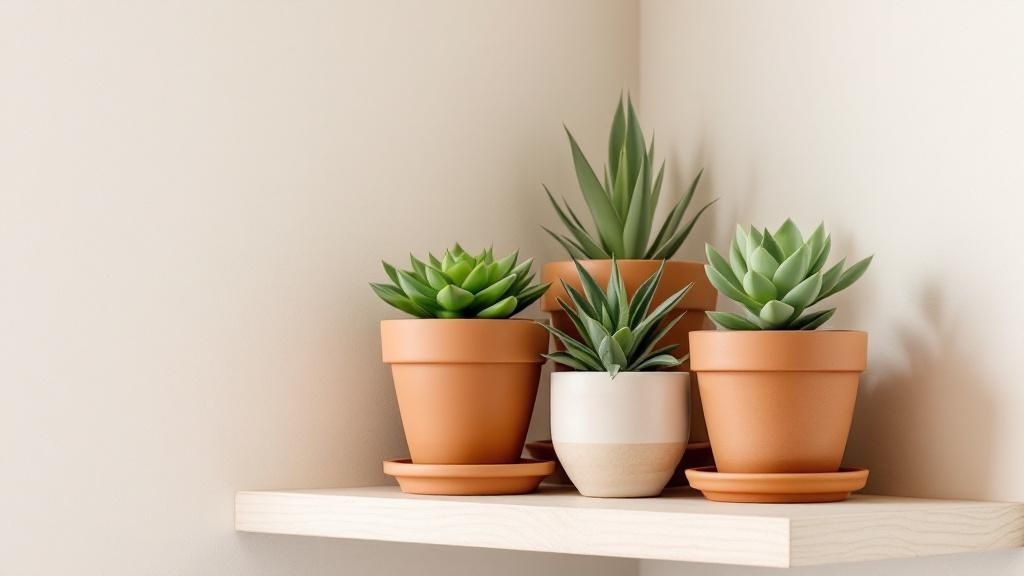
This method is frequently showcased in garden design shows like 'Garden Rescue' and popularized by home decor brands such as Pottery Barn and West Elm for its sophisticated, curated look. It is an excellent strategy for homeowners in Morgan Hill looking to create an elegant entryway display or a vibrant centerpiece on a patio table. The use of drought-tolerant succulents in these arrangements also aligns perfectly with water-wise gardening principles. You can learn more about how this concept fits into larger designs by exploring drought-tolerant landscaping ideas on tamuradesigns.com.
How to Implement Tiered Planter Arrangements
A successful tiered arrangement is all about thoughtful composition and plant selection. Follow these actionable steps to create a stunning, multi-level succulent garden:
- Group in Odd Numbers: For a more natural and visually appealing composition, arrange your planters in groups of three or five. This design principle helps create balance and avoid a look that feels too symmetrical or rigid.
- Vary Textures and Colors: Select pots with different materials like terracotta, glazed ceramic, and concrete, but maintain a cohesive color palette. Pair this with succulents of varying colors and shapes to create a rich, textured display.
- Layer by Height: Position taller, more upright succulents like Sansevieria or Crassula ovata (Jade Plant) in the larger pots at the back. Place shorter, mounding, or trailing succulents like Sedum morganianum (Burro's Tail) in the front containers to create a cascading effect.
- Ensure Proper Drainage: Every pot in your arrangement must have a drainage hole. Succulents are highly susceptible to root rot, and proper drainage is non-negotiable for their long-term health, especially in a clustered setup.
- Group Similar Needs: Arrange plants with similar light and water requirements together. This simplifies care and ensures all succulents in your display thrive equally, preventing one from being overwatered while another dries out.
3. Hanging Succulent Gardens
Drawing the eye upward, hanging succulent gardens are an elegant solution that maximizes vertical real estate while adding a dynamic, floating element to your decor. This method leverages overhead space, making it one of the most effective succulent garden ideas for small spaces, especially in areas with no available floor or wall surfaces. Using hanging baskets, stylish macrame holders, or modern ceiling-mounted planters, you can introduce greenery into any room without cluttering your living area.
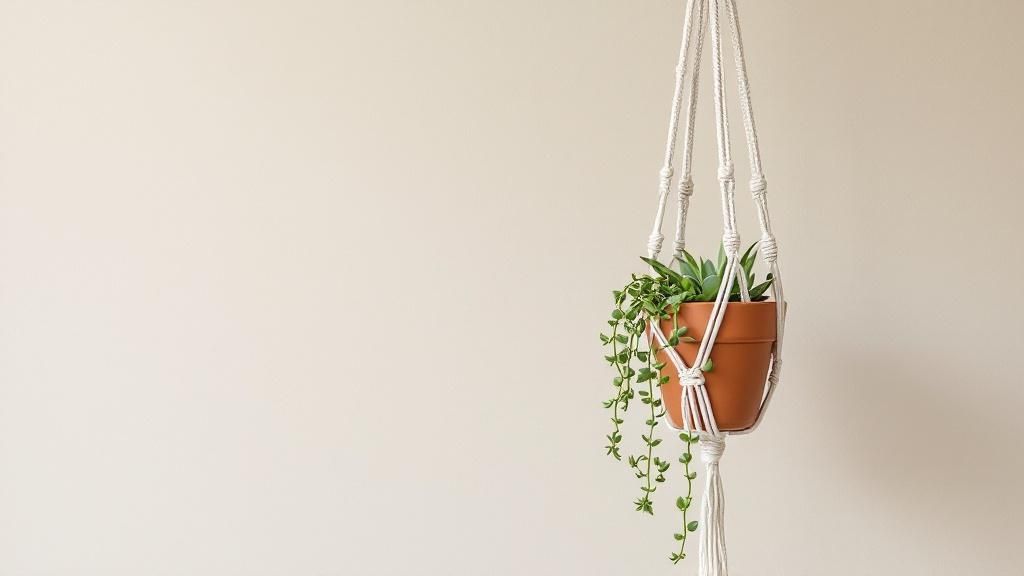
This idea, revitalized by the bohemian and mid-century modern design trends, is perfect for a sunny kitchen window in a Morgan Hill home or suspended from the rafters of a covered patio. It allows for beautiful cascades of trailing plants that create movement and life. In commercial spaces, clusters of hanging succulents can define a seating area or add a soft, natural touch to a minimalist interior.
How to Implement a Hanging Garden
A secure and well-planned installation is key to a beautiful and long-lasting hanging succulent display. Consider these steps for success:
- Choose Trailing Varieties: Select succulents that will spill gracefully over the edges of the pot. Senecio rowleyanus (String of Pearls), Sedum morganianum (Burro's Tail), and Senecio 'String of Dolphins' are iconic choices for creating a dramatic cascading effect.
- Ensure Structural Safety: The safety of your installation is paramount. Always use ceiling anchors or hooks rated for the full weight of the watered plant. For a secure and reliable setup, investing in high-quality, durable hanging hooks is a critical first step.
- Manage Water Drainage: To prevent drips on your floor, use a pot with an attached saucer or place a separate tray inside a decorative hanger. Alternatively, take the plants down for watering and allow them to drain completely before re-hanging.
- Create Visual Interest: Group several hanging planters at varying heights to create a more compelling and layered display. This adds depth and turns a simple collection of plants into a deliberate design feature.
4. Miniature Succulent Terrariums
Creating a miniature world inside a glass container is a timeless and elegant way to bring greenery indoors. Succulent terrariums are self-contained ecosystems, offering a stunning micro-garden display perfect for desktops, coffee tables, or shelves. This is one of the most versatile succulent garden ideas for small spaces, allowing you to curate a tiny, intricate landscape that thrives with minimal intervention, adding a sophisticated touch to any room. These can be open or closed containers, but open designs are generally better for low-humidity succulents.
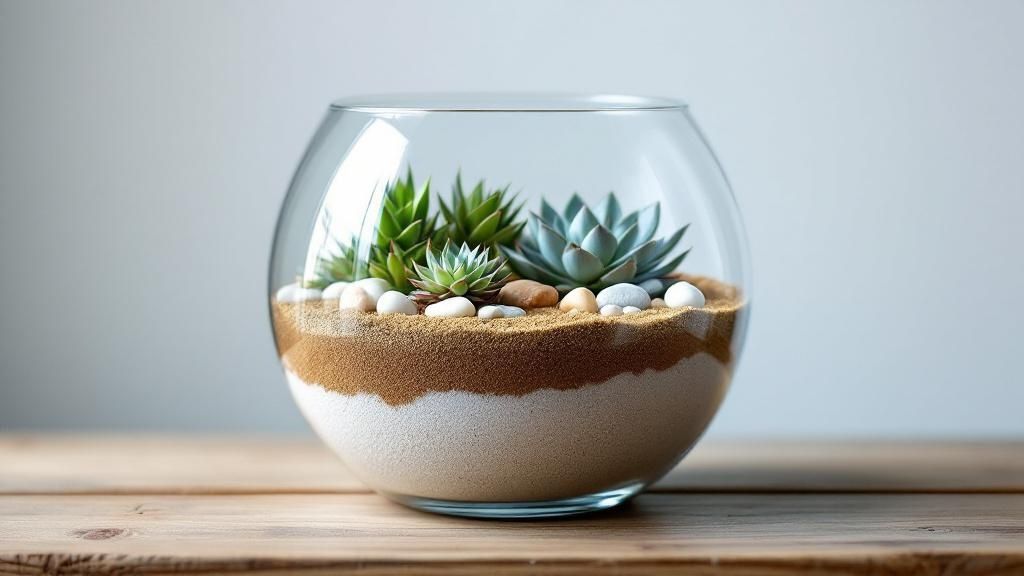
This concept, with roots in Victorian-era Wardian cases, has been modernized by contemporary artisans and DIY communities, such as those inspired by specialists like Twig Terrariums. A well-placed terrarium on a home office desk in Morgan Hill can serve as a calming focal point during a busy workday. They also make thoughtful, beautiful gifts for plant lovers or serve as chic centerpieces for dining tables and event decor.
How to Implement a Succulent Terrarium
Building a thriving terrarium requires careful layering and plant selection to ensure a healthy environment. Follow these actionable steps for a beautiful and long-lasting creation:
- Choose Open Containers: Opt for open glass vessels like bowls, jars, or geometric containers. Open designs provide essential air circulation, which prevents the moisture buildup that can lead to rot in desert-dwelling succulents.
- Layer for Drainage: Since terrariums lack drainage holes, create a false drainage system. Start with a base layer of sand or small pebbles, followed by a thin layer of activated charcoal to keep the soil fresh, and then top with a well-draining cactus or succulent potting mix.
- Select Slow-Growing Varieties: Choose miniature or slow-growing succulents to prevent them from quickly outgrowing the container. Haworthias, Gasterias, and certain small Echeverias or Sempervivums are excellent choices.
- Water Sparingly: The most common mistake is overwatering. Use a spray bottle or a small watering can with a narrow spout to lightly moisten the soil only when it is completely dry to the touch. Avoid letting water pool at the bottom.
- Provide Bright, Indirect Light: Place your terrarium in a location that receives plenty of bright, indirect sunlight. Direct sun can scorch the plants, as the glass can magnify the heat and intensity.
5. Repurposed Container Gardens
Unlock your creativity and champion sustainability by turning everyday objects into charming succulent planters. Repurposed container gardens involve using unconventional items like old boots, vintage teacups, or even kitchen colanders as vessels for your plants. This approach is one of the most personal and budget-friendly succulent garden ideas for small spaces, allowing you to infuse your home or garden with unique character and a touch of whimsy.
This idea, celebrated within DIY communities and by proponents of upcycling, is perfect for adding a shabby-chic or eclectic vibe to a Morgan Hill patio. Imagine a rustic wooden drawer filled with a colorful arrangement of echeverias, or a row of antique teacups on a windowsill, each holding a tiny succulent. This method not only reduces waste but also transforms forgotten items into delightful focal points. While succulents are famously hardy, you can explore other options; for more inspiration, learn more about California native drought-tolerant plants that also thrive in our local climate.
How to Implement a Repurposed Container Garden
Success with repurposed containers hinges on one critical factor: drainage. Follow these steps to ensure your unique planters support healthy plant growth:
- Create Drainage Holes: This is the most crucial step. If your chosen container, like a ceramic mug or metal tin, doesn't have holes, you must add them. Use a drill with a specialized bit (diamond-tipped for ceramic, carbide for metal) to create several small holes in the bottom.
- Use Items with Natural Drainage: Some items are naturally suited for this. A metal colander, for instance, makes an excellent hanging basket with built-in drainage, perfect for trailing succulents like String of Pearls.
- Add a Drainage Layer: For containers where drilling isn’t possible, create a false bottom. Add a 1-2 inch layer of gravel, pebbles, or activated charcoal at the base before adding soil. This creates a reservoir for excess water to collect away from the roots, but requires very careful watering to avoid overwhelming the reservoir.
- Select Appropriate Plants: Choose succulents that fit the scale of your container. Small, slow-growing varieties like Sempervivum (hens and chicks) or Haworthia are ideal for tiny vessels like teacups and boots.
6. Succulent Dish Gardens
A succulent dish garden is a miniature landscape crafted within a single, shallow container. It allows you to create a complete, self-contained world by artfully arranging multiple succulent varieties, turning a simple bowl into a stunning focal point. This is one of the most versatile succulent garden ideas for small spaces, perfect for tabletops, windowsills, or office desks where a full-sized garden is impossible. These arrangements showcase a thoughtful composition of colors, forms, and textures in a compact, portable display.
This method is ideal for Morgan Hill residents who want to bring a detailed, artistic garden element indoors or to a small patio. It draws inspiration from ancient traditions like Japanese Saikei and has been popularized by modern succulent authors like Debra Lee Baldwin. You can design a desert-themed landscape, a tranquil Zen garden with pebbles, or even a whimsical fairy garden with tiny accessories, all within the confines of one dish.
How to Create a Succulent Dish Garden
Creating a thriving dish garden is about balancing aesthetics with plant health. Follow these tips for a beautiful and long-lasting arrangement:
- Group Compatible Plants: Choose succulents with similar light and water needs. Pairing a sun-loving Echeveria with a shade-preferring Haworthia will lead to one of them struggling.
- Apply Design Principles: Use the "thriller, filler, spiller" technique. A taller "thriller" (like a small Agave), mounding "fillers" (Sedum or Sempervivum), and trailing "spillers" (Senecio rowleyanus) create a balanced composition.
- Ensure Proper Drainage: Select a shallow bowl or dish with at least one drainage hole. Without it, water will pool at the bottom, causing fatal root rot.
- Incorporate Top Dressing: Finish your design with a layer of decorative top dressing, such as fine gravel, sand, or small pebbles. This gives the garden a polished look, helps stabilize the plants, and aids in moisture control.
7. Ladder and Shelf Display Systems
Leveraging vertical space doesn't always require a complex wall-mounted system. Ladder and shelf displays offer one of the most versatile and accessible succulent garden ideas for small spaces, creating a multi-level garden that is both organized and visually dynamic. This approach uses freestanding ladder-style plant stands, floating wall shelves, or tiered units to elevate plants, allowing you to showcase a diverse collection without cluttering your floor.
This method is perfect for homeowners in Morgan Hill who want a flexible display that can be easily rearranged or moved. A weathered wooden ladder stand can add rustic charm to a patio, while sleek industrial pipe shelving becomes a modern statement piece in a living room. The trend, popularized by retailers like IKEA and amplified by plant cafes, turns a simple collection into a curated gallery, making each plant a focal point. It provides a clean, structured aesthetic while maximizing planting capacity.
How to Implement a Shelf or Ladder Display
Creating an elegant and stable display requires thoughtful arrangement and consideration for both the plants and the structure.
- Vary Heights and Sizes: Create visual rhythm by mixing containers of different sizes and succulents with varying growth habits. Place trailing plants like Senecio rowleyanus (String of Pearls) on higher shelves to cascade down.
- Ensure Proper Spacing: Leave enough vertical space between shelves to allow for sunlight exposure and future plant growth. This prevents overcrowding and promotes healthy air circulation.
- Maintain a Cohesive Style: For a polished, intentional look, use pots and containers with a consistent color palette or material, such as all-terracotta or minimalist white ceramic.
- Consider Weight Distribution: Place heavier pots and larger plants on the lower, more stable shelves. Lighter, smaller arrangements can be safely placed on top tiers. This ensures the entire unit remains balanced and secure.
8. Window Box Succulent Gardens
Window boxes offer a classic, charming way to display plants, and they are exceptionally well-suited for creating linear succulent arrangements. These horizontal planters, mounted on windowsills, porch railings, or fences, turn underutilized ledges into vibrant showcases. This is one of the most effective succulent garden ideas for small spaces because it uses existing horizontal surfaces, adding curb appeal and beauty that can be enjoyed from both inside and outside your home without taking up any floor area.
This approach is perfect for adding a touch of green to an apartment balcony in Morgan Hill or for creating a decorative display along a backyard fence line. The concept, deeply rooted in European balcony gardening traditions, has been adapted by urban gardeners and container planting specialists for modern living. It’s an ideal solution for kitchen windows, where you can mix succulents with culinary herbs, or for dressing up the railings of a front porch to welcome guests. Exploring these container-based solutions can be part of a broader strategy for sustainable and beautiful outdoor spaces; learn more about eco-friendly landscaping on tamuradesigns.com.
How to Implement a Window Box Garden
To create a stunning and healthy window box display, pay close attention to the setup and plant selection. Follow these steps for a long-lasting arrangement:
- Prioritize Excellent Drainage: Succulents despise "wet feet," so choose window boxes with ample drainage holes. If the container lacks holes, you must drill them yourself to prevent root rot.
- Use a Lightweight Soil Mix: Window boxes can become very heavy when filled with soil and plants. Use a lightweight, gritty succulent or cactus mix to reduce the overall weight, putting less stress on your mounting hardware and structure.
- Select Appropriate Plants: Opt for low-growing, compact, and wind-resistant succulents. Trailing varieties like String of Pearls (Senecio rowleyanus) or String of Bananas (Senecio radicans) look fantastic spilling over the edge, while hardy Sempervivum and Sedum can withstand exposed conditions.
- Ensure Secure Mounting: Safety is paramount. Use heavy-duty brackets and hardware specifically designed for window boxes to secure the container to the windowsill, railing, or wall. Always check the weight capacity of the brackets.
Succulent Garden Ideas: 8-Option Comparison
| Item | Implementation Complexity 🔄 | Resource Requirements ⚡ | Expected Outcomes 📊 | Ideal Use Cases 💡 | Key Advantages ⭐ |
|---|---|---|---|---|---|
| Vertical Succulent Walls | Medium to High (drainage & irrigation) | Moderate to High (specialized systems) | Dramatic visual impact, air purification | Apartments, cafes, offices, urban small patios | Maximizes vertical space, insulation, aesthetics |
| Tiered Planter Arrangements | Low to Medium (container arrangement) | Low to Moderate (various pots) | Visual depth, diverse plant combos | Balconies, entryways, tables, window sills | Flexible, cost-effective, easy to modify |
| Hanging Succulent Gardens | Medium (secure mounts, watering) | Low to Moderate (lightweight containers) | Dynamic 3D displays, better air circulation | Bohemian interiors, porches, kitchen windows | Uses overhead space, reduces floor clutter |
| Miniature Succulent Terrariums | Low (small scale, basic setup) | Low (glass containers & mini plants) | Controlled environment, decorative, low maintenance | Desk tops, shelves, bathrooms, gifts | Minimal space, pest/weather protection |
| Repurposed Container Gardens | Low to Medium (drainage mods needed) | Very Low (upcycled materials) | Unique, personalized displays | Creative DIY, thrifted items, eco-conscious gardens | Environmentally friendly, budget-friendly |
| Succulent Dish Gardens | Medium (artistic design knowledge) | Moderate (multiple plants & accessories) | Miniature garden scenes, artistic expression | Tabletops, small indoor/outdoor displays | Compact complete garden, creative flexibility |
| Ladder and Shelf Display Systems | Medium (setup & spacing) | Moderate (shelves & containers) | Organized, gallery-like vertical display | Patios, living rooms, greenhouses | Easy access, maximizes vertical space |
| Window Box Succulent Gardens | Low to Medium (secure mounting) | Low to Moderate (elongated containers) | Linear, visible displays, privacy screening | Windowsills, balcony railings, fences | Maximizes narrow horizontal space, renter-friendly |
Bringing Your Small-Space Succulent Garden to Life
Throughout this guide, we have explored a vibrant array of succulent garden ideas for small spaces, proving that limited square footage is no barrier to creating a stunning, low-maintenance botanical display. From the dramatic impact of a vertical succulent wall to the whimsical charm of a miniature terrarium, the possibilities are as diverse as the succulents themselves. The journey from inspiration to implementation is now yours to begin, armed with the practical strategies needed to succeed.
Key Takeaways for Your Succulent Project
The core lesson from these ideas is that successful small-space gardening hinges on creativity and strategic use of your environment. You’ve seen how verticality is your greatest ally, whether through tiered planters, ladder shelves, or hanging globes. We also emphasized the power of repurposing, transforming everyday objects like vintage teacups or old picture frames into unique and personal succulent showcases.
Remember these crucial principles as you move forward:
- Assess Your Space: Before you buy a single plant, analyze your light conditions. South-facing windows are perfect for sun-loving Echeverias, while shadier corners might better suit Haworthias or Gasterias.
- Prioritize Drainage: This is the golden rule of succulent care. Every container, from a sophisticated dish garden to a rustic repurposed can, must have adequate drainage to prevent root rot.
- Think in Layers: Create visual interest by combining plants with different heights, textures, and colors. Pair a tall, spiky Aloe with a trailing String of Pearls and a rosette-forming Sempervivum for a dynamic composition.
- Start Small and Experiment: You don’t need to build a full-scale living wall on day one. Begin with a simple window box or a dish garden to get a feel for your plants' needs and your own creative style.
Your Next Steps to a Thriving Garden
Mastering these concepts transforms you from a plant owner into a garden designer. Your small space becomes a canvas for expressing your personal aesthetic, bringing a touch of nature's resilience and beauty into your daily life. The benefits extend beyond simple decor; caring for these plants can be a meditative practice, a way to connect with the natural world even in an urban setting.
Your immediate next step is to choose the single idea from this list that most excites you and best fits your home. Sketch out your design, list the specific succulents you want to include, and gather your materials. This focused approach will make the project manageable and ensure a rewarding outcome. For homeowners in Morgan Hill, this could be the first step in a larger journey of transforming your property into a sustainable and beautiful oasis that reflects a sophisticated, environmentally-conscious lifestyle. These small succulent gardens are not just decorations; they are miniature ecosystems that enhance your home's value and your quality of life.
Ready to transform your Morgan Hill or Monterey area property with a professionally designed and sustainable landscape? For ambitious projects beyond DIY or for a complete outdoor living makeover, the experts at Tamura Designs Landscape and Construction can bring your grandest visions to life with custom stonework and eco-friendly designs. Explore their portfolio and discover how they can elevate your space at Tamura Designs Landscape and Construction.
