
Thinking about how to design your front yard can seem like a big job. But it's really about making a few smart choices that show off your style and fit your space. It's more than just picking pretty flowers. A great design starts with a simple, solid plan. This guide will walk you through creating an entrance you'll be proud of for years.
Your Front Yard Design Starts with a Simple Plan
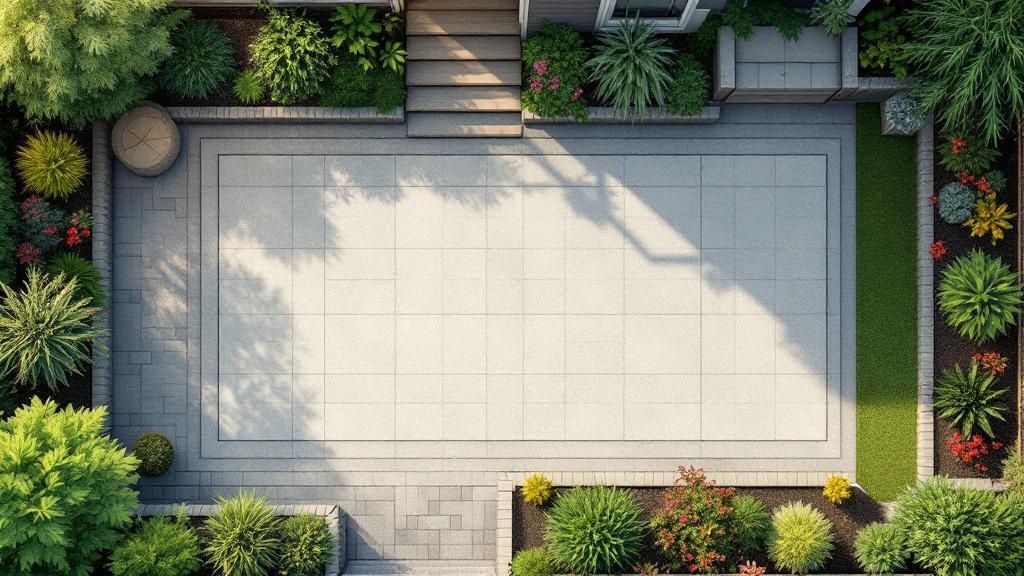
A great front yard doesn't happen by accident. It's always a careful mix of your home's style, your personal taste, and the nature around you. The goal is to create a welcoming space that looks good and makes you smile every time you come home.
This isn't about becoming a landscape expert overnight. It's about learning the basic ideas behind every good design. By focusing on a few key things, you can create a plan that is both beautiful and useful. You can turn the vision in your head into something real and amazing.
The Value of Good Design
A well-designed front yard is a good investment in your property. It's the first thing people see, and it can make your home much more valuable.
In fact, professional landscaping is a huge business for a reason. The global landscaping market was worth about USD 331 billion in 2024 and is expected to grow. This shows how much homeowners care about creating nice, useful outdoor spaces. You can explore more gardening statistics to see the trends yourself.
A good design also makes your home a better place to live. The right plan can give you shade, offer privacy, and attract birds and butterflies.
Your front yard is part of your home. A good design connects the two. It creates a smooth path from the street to your front door that feels planned and welcoming.
Front Yard Design Core Principles
Before you start digging, it's helpful to think about the basic parts of a good front yard design. Here are the key things to consider before you begin.
| Principle | Why It Matters | Quick Tip |
|---|---|---|
| Function | How do you need your yard to work? Your design must be useful for your daily life. | Think about paths for easy walking, lights for safety, and maybe a small bench. |
| Style | What look do you want? The design should match your home's style. | Is your home modern, traditional, or rustic? Let your house's look guide the style. |
| Balance | A yard that looks good feels balanced, not messy. This creates a feeling of peace. | You can do this with symmetry or by arranging different items to feel stable. |
Breaking the process down this way makes it easier. With these ideas in mind, you're already on your way to creating a space you'll love.
Get to Know Your Yard Before You Dig
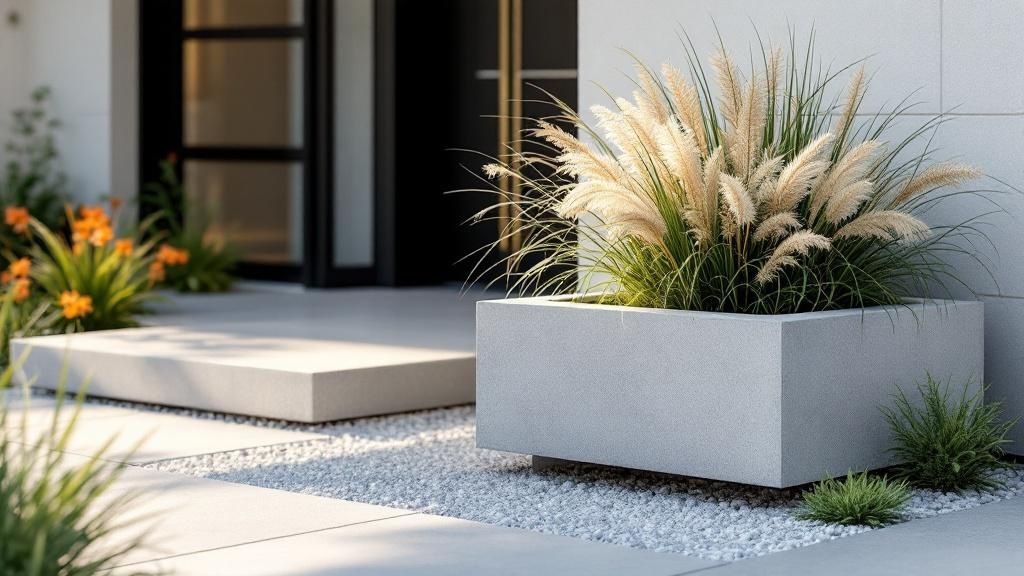
Before you buy a single plant, the most important first step is to study your own property. I can't say this enough: every beautiful, healthy garden starts with a good understanding of the space you have.
Doing this work now saves you from making expensive mistakes later. It's the difference between plants that barely survive and plants that really grow well. Rushing to the plant store without knowing your yard is like trying to cook a fancy meal without a recipe—you might get lucky, but you'll probably end up with a mess.
Mapping Sun and Shade
Sunlight is key for a garden. The amount of sun different parts of your yard get will decide which plants you can grow. A sun-loving flower will struggle in a shady corner, while a shade-loving plant will get burned in the hot afternoon sun.
The best way to figure this out is simple. Sketch a rough map of your yard. Then, check it a few times during the day, like at 9 AM, noon, and 4 PM. Mark where the sun is and where the shadows are. Also, think about the seasons. A spot that's sunny in July might be shady in December when the sun is lower in the sky.
Understanding Your Soil and Drainage
Your soil is the life source for your whole yard. Its texture decides how well it holds water and food for plant roots. You don't need a special kit to check it. Just do a simple "squeeze test."
Grab a handful of moist (but not soaked) soil and squeeze it hard in your hand.
- Sandy Soil: It feels gritty and falls apart when you open your hand. This soil drains very fast, so water and nutrients can wash away.
- Clay Soil: This feels sticky and thick. When you squeeze it, it holds its shape like modeling clay. It holds water well, but sometimes too well, which can drown plant roots.
- Loam Soil: If it holds its shape but crumbles easily when you poke it, you have the best kind. This is the perfect, dark, rich soil that has a good mix of sand, silt, and clay.
Also, watch how your yard handles water. After a heavy rain, look for puddles that stay for a long time. Those are spots with poor drainage. You'll need to choose plants that like wet soil or add organic matter to improve it.
The biggest mistake homeowners make is trying to fight their yard's natural conditions. The secret to a beautiful, low-maintenance front yard is working with your sun and soil, not against them.
Think of this as your project blueprint. Once you have this information, you can start sketching a design and choosing plants that are sure to do well. A little bit of research now will pay off later.
Finding Your Style and Sketching a Layout
This is where the fun starts. You've done your homework by studying your space. Now you get to bring your ideas to life. Choosing a style is about connecting your home's look, your personal taste, and the yard itself.
It's not just about looks. The landscape design market in the U.S. is expected to be worth around $9.3 billion by 2025. This shows that homeowners know a good design can make a home more beautiful and valuable.
Exploring Popular Front Yard Styles
Finding the right style is like picking a theme for a party. It sets the mood for everything else. It helps you choose plants, materials, and decorations.
Here are a few popular styles:
- Modern: If you love clean lines and simple designs, this is for you. Think geometric shapes, a basic color scheme, and neat rows of ornamental grasses. The focus is on structure, not clutter.
- Cottage: For a relaxed and charming look, the cottage style is a classic. It's all about full flower beds, a rich mix of colors and textures, and cute touches like a winding stone path or a picket fence.
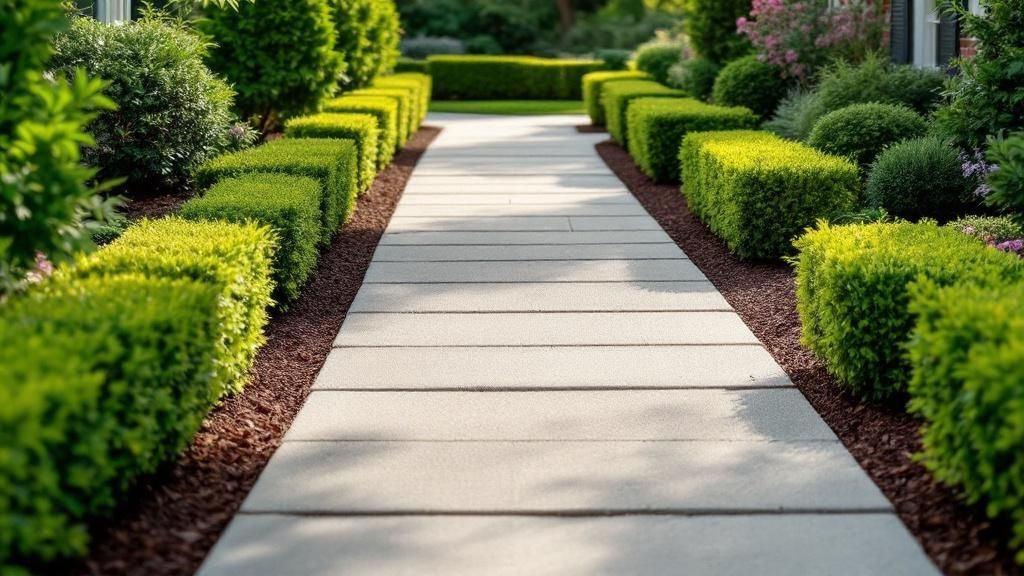
- Traditional: This style is perfect for classic homes. It's based on symmetry and order. It often has trimmed hedges, balanced plants on each side of the door, and classic materials like brick.
Your front yard is your home's first impression. Picking a style that matches your house creates a welcoming look that feels both natural and planned.
From Idea to Simple Sketch
Once you have a style in mind, it's time to draw. Don't worry, you don't need to be an artist. A simple sketch is just a basic map to help you see where everything will go. It makes sure the final design feels balanced and works in the real world.
Start by drawing the outline of your house and property. Add the things you can't move, like your driveway, front door, windows, and any large trees you want to keep.
Now, start mapping out the new things. Think about these key areas:
- Walkways: How will people get to your front door? A straight path feels formal, while a curved one feels softer and more relaxed.
- Planting Beds: Where will the main garden areas be? Sketch their shapes near the house, along the property line, or as an island around a mailbox or tree.
- Hardscape Features: If you want a stone wall, a small patio, or decorative borders, draw them in. For big stone projects, it's a good idea to hire a professional. Our guide on finding the best stone and masonry contractors can help you start.
Think of this sketch as your roadmap. It helps you see the big picture, find problems early, and make sure all the pieces fit together before you start digging.
4. Pick Plants and Materials That Will Thrive
Once you have a layout, it's time for the fun part: picking the plants and materials that will make your design a reality. This is where you can show your personality. The main rule here is simple but very important: "right plant, right place."
Following this rule means you're choosing plants that will be happy in your yard's specific sun, soil, and climate. Trust me, this one tip will give you a healthier garden and save you a lot of work later. It’s the secret to a great-looking yard that doesn't take up all your free time.
Layer Your Garden with Different Plant Types
Designing a great-looking garden is like painting. You need layers to create depth, texture, and interest. I like to think of plants as having different jobs in the yard.
- Trees give you height. They are the anchors of your design. One well-chosen tree can frame your house, provide shade, and add an important vertical look.
- Shrubs build structure. These are the hard workers of the garden. They create a green background for your flowers, look good all year, and can be used to mark different areas or create privacy.
- Flowers bring the color. Perennials (which come back every year) and annuals (which last one season) are your chance to be creative. They add exciting pops of color that make a garden feel alive.
The landscaping industry is moving toward designs that are more eco-friendly and easier to care for. This is a smart change because of our climate. More people are using plants and materials that are better for the environment and easier for homeowners to manage. It's a win-win situation.
The Untapped Potential of Native Plants
One of the best ways to use the "right plant, right place" idea is by using native plants. These are plants that have always grown in your area. This means they are perfectly suited to the local climate and soil.
Think of it this way: choosing native plants gives your garden an advantage. They naturally need less water, are stronger against local pests, and provide food and shelter for pollinators like bees and butterflies.
This is a big deal, especially in drier areas. You can have a beautiful, green yard that doesn't need a lot of watering. If that sounds good, our guide on California native drought-tolerant plants has many great options to get you started.
To help you see how these layers work together, here is a quick guide to different plant types and what they do.
Plant Selection Guide for Your Front Yard
| Plant Type | Primary Role | Examples |
|---|---|---|
| Trees | Height, shade, main feature | Japanese Maple, Crape Myrtle, Olive Tree |
| Shrubs | Structure, background, year-round interest | Boxwood, Hydrangea, Lavender |
| Perennials | Seasonal color, texture, attract pollinators | Salvia, Echinacea (Coneflower), Daylilies |
| Grasses | Movement, texture, modern look | Fountain Grass, Blue Fescue, Miscanthus |
| Groundcovers | Low-level texture, stops weeds | Creeping Thyme, Sedum, Vinca Minor |
By mixing and matching from these groups, you can create a front yard that looks good in every season, not just when flowers are blooming.
Choose Your Hardscape Materials
Hardscaping includes all the non-plant items in your yard. These are the paths, patios, low walls, and borders that give your design its structure. The materials you choose should match your home's style.
A few popular choices I often use are:
- Gravel: Great for a relaxed, rustic, or even modern look. It's affordable, lets water through, and is fairly easy for a DIY project.
- Pavers: Concrete pavers give you a lot of options. They come in many shapes, colors, and textures, so you can create almost any pattern you want.
- Natural Stone: Materials like flagstone or limestone have a classic, high-end look that fits well in a natural setting. They cost more, but the look is amazing.
When choosing materials, especially natural ones, think about how to care for them. For example, if you like the look of a limestone patio, knowing the basics of restoring limestone patio stones will help you keep it looking beautiful for years.
Bringing Your Vision to Life
You have your design plan and a list of materials. Now for the exciting part: turning that plan into a real landscape. This is where your new front yard starts to take shape.
Whether you're doing it yourself or hiring a team, the key to a smooth project is to do things in the right order. It's like building a house—you pour the foundation before you build the walls. The same idea works in your yard.
Start with the Hard Stuff First
Before you dig a hole for any plants, it's time to work on the hardscaping. These are the non-living parts of your design that form the skeleton of your new front yard. Putting them in first saves you from walking on new plants or having to redo work later.
I always tell my clients to get the messiest work done first. Here's the usual order:
- Walkways and Patios: Put down any paths, patios, or stepping stones. This work often involves heavy materials and digging, so it’s best to do it on a clear site.
- Retaining Walls and Edging: Next, build any low walls for raised beds or install edging to define your garden areas. This creates the clean lines that make a design look great.
- Irrigation and Lighting: If you plan to have an underground sprinkler system or lighting, now is the time. Run all the pipes and wires while the ground is open and easy to get to.
With these basic pieces in place, the real change begins. As you work, remember that there are many other affordable ways to refresh your home's exterior that can tie everything together.
Prepare the Soil and Plant with Care
Once the hardscaping is done, you can focus on the garden beds. This is where many projects go wrong. Please don't just dig a hole and drop in a plant. Healthy plants start with great soil. First, clear out any old grass or weeds from your new planting areas.
Next, improve the soil. This just means mixing in organic material like compost. Compost improves the soil's structure, drainage, and nutrients. It makes a huge difference. One study found that adding just 5% compost can greatly improve soil health and how well it holds water. I suggest working it into the top six to eight inches of soil.
A pro tip for planting: Dig a hole that is twice as wide as the plant's pot but only as deep. This helps the roots spread out into the nearby soil, which helps them grow faster.
After you place the plant, fill the hole with your improved soil. Pat it down gently to remove any air pockets. Give your new plants a good watering right away. This helps settle the soil and reduces the stress of being moved. A good design also thinks about the future. You can learn more about creating an eco-friendly space in our guide to sustainable landscape design.
The final touch? A two- to three-inch layer of mulch. It's not just for looks. Mulch is great for holding in moisture, keeping weeds down, and giving your new front yard a clean, finished look.
Your Top Front Yard Design Questions Answered
Even the best plan can have a few problems. It’s normal to have questions once you start the project. Let's go over some of the most common ones I hear from homeowners.
Knowing these practical details ahead of time can help you avoid problems and make better choices. Think of this as a quick guide to keep your project on track.
How Much Does Landscaping a Front Yard Cost?
This is usually the first question people ask. The truth is, the cost can vary a lot. The final price depends on the size of your yard, the materials you choose, and whether you hire professionals.
A simple DIY project with a few new plants and fresh mulch might only cost a few hundred dollars. But if you want a complete professional redesign with new walkways, lighting, and large plants, it could cost several thousand dollars.
My best advice is to set a clear budget from the start. You can also do the project in stages. Tackle one area this year and another next year to spread out the cost.
What Are Some Good Low-Maintenance Plants?
Do you want a beautiful front yard that doesn't require work every weekend? The secret is to pick plants that are already happy in your area. Low-maintenance doesn't have to mean boring.
- Native Plants: These are always my top recommendation. They are used to your local soil and rain, which means much less watering and care from you.
- Drought-Tolerant Choices: Plants like succulents, ornamental grasses, and tough perennials like Coneflower or Salvia add great color and texture without needing a lot of water.
- Hardy Shrubs: Plants like Boxwood or certain Holly varieties give you green structure all year and need very little care once they are established.
The real key to a low-maintenance garden is putting the right plant in the right spot. A sun-loving plant in a shady corner will always be a struggle, no matter how "easy" its tag says it is.
How Can I Make My Front Yard More Private?
Creating a cozy, private feel is not just about putting up a big fence. It's about using smart, layered planting to screen your yard from the street and neighbors.
Try planting a mix of evergreen shrubs and smaller trees along your property line. Using different heights and textures creates a natural-looking barrier that feels softer and more welcoming than a solid wall. Another great trick is to use a trellis and let climbing plants like jasmine or clematis do the work.
You can also design a small, private seating area. By tucking a bench behind some taller grasses or shrubs, you can create a little escape that feels separate from the world.
Where Should I Plant a Tree?
Planting a tree is a long-term decision, so where you put it is very important. The main rule is to think about its future size. You never want to plant a tree that will get huge too close to your house, driveway, or power lines.
A tree can also be a beautiful focal point. Think about placing it where it frames your front door from the street, or where it can anchor a corner of your property.
Also, think about the tree's job. A deciduous tree (one that loses its leaves) can be a big help. It can shade your home in the summer but let the warm winter sun in when you need it. An evergreen tree, on the other hand, can block wind all year long.
Ready to turn your front yard vision into a stunning reality, without all the guesswork? The team at Tamura Designs Landscape and Construction has been creating award-winning outdoor spaces in Morgan Hill and across Silicon Valley for over 30 years. Let our experts design and build a beautiful, functional, and sustainable landscape you’ll love coming home to.
