
Have you ever wanted a garden that truly fits in California? One that works with our weather, not against it? That’s what California native plant landscaping is all about. It means creating a beautiful, low-maintenance yard that also helps local wildlife and saves our precious water.
Why Choose California Native Plants for Your Garden
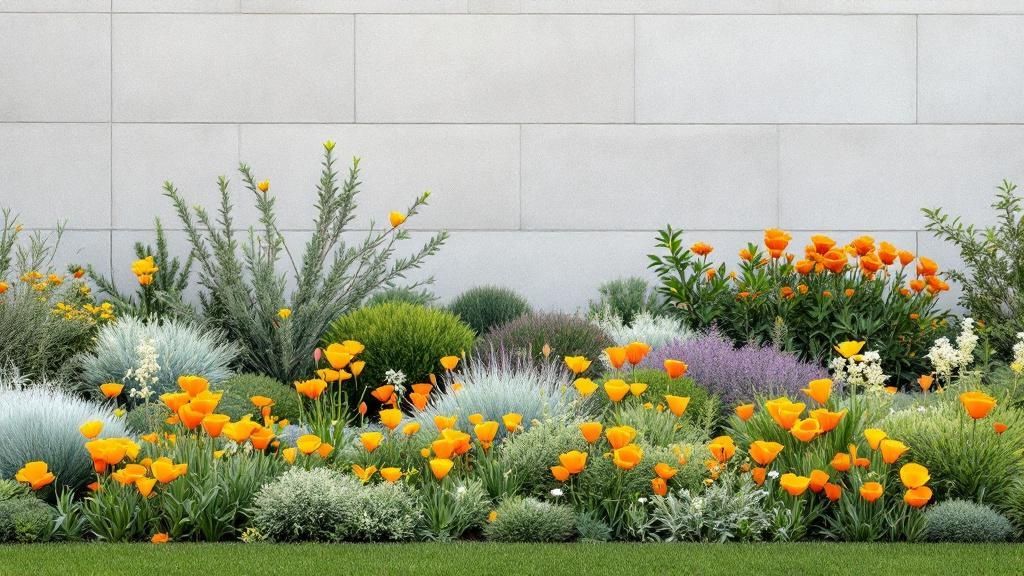
Choosing native plants is more than just a gardening trend. It’s a smart way to build a landscape that is both strong and beautiful. These plants are a perfect match for our local environment. That means they are naturally tough and need a lot less work than the usual plants you find at a garden store.
Imagine a garden that doesn’t need constant watering, feeding, or spraying. It’s possible. Because native plants grew here naturally, they are already used to our soil and weather. They can handle our hot, dry summers and our cool, wet winters. This is the real secret to why they are so easy to care for.
Create a Living Ecosystem in Your Yard
When you plant natives, you do more than just add green plants. You also create a welcome home for local wildlife. A garden filled with California native plants quickly becomes a busy spot for important pollinators like bees and butterflies. You’ll also start to see more birds visiting your yard. They are drawn in by the seeds, berries, and insects that these plants provide.
The effect on the local environment is huge. A garden with California natives can support over 1,500 types of insects and 200 types of birds. This means the variety of life, or biodiversity, is about 30% richer than in a yard with non-native plants. This helps bring back the natural balance right in our own neighborhoods.
By choosing native plants, you are helping to restore California's special biodiversity. Your garden becomes a small but important piece of a larger puzzle, offering food and shelter where it is needed most.
Reduce Your Garden's Footprint
One of the best things about a native garden is how little it needs from you. Since these plants are made for our climate, they need a lot less water once they are settled in. This is a big help in a state where saving water is always important. If you want more ideas for an eco-friendly yard, check out our guide on sustainable landscape design.
These plants also naturally resist local pests and diseases. This means you can stop using harsh chemical fertilizers and pesticides. This simple choice makes your garden a safer place for your family, your pets, and the wildlife that lives there.
To put it simply, here are some of the great benefits of using native plants.
Key Benefits of Native Landscaping at a Glance
| Benefit | Description | Impact Example |
|---|---|---|
| Water Conservation | Plants are adapted to local rainfall, so they need very little extra water once they are established. | Switching to native plants can cut your outdoor water use by up to 60%, saving thousands of gallons a year. |
| Low Maintenance | Less need for mowing, trimming, and fertilizing compared to regular lawns and plants. | Spend your weekends enjoying your garden, not working in it. |
| Wildlife Habitat | Provides food, shelter, and nesting spots for local birds, bees, butterflies, and helpful insects. | Planting native milkweed directly helps monarch butterfly populations. |
| Chemical-Free | Natural resistance to local pests and diseases means you don't need chemical pesticides and fertilizers. | Creates a healthier, non-toxic space for children, pets, and wildlife. |
| Unique Beauty | Offers a special look that reflects California's natural landscapes, with beauty in all four seasons. | From the spring flowers of a Ceanothus to the fall colors of a Western Redbud, your garden will always be interesting. |
In the end, California native plant landscaping is about creating a garden that is both beautiful and helpful. It connects your home to the area's natural history and builds a healthy space that is full of life.
Read Your Landscape Before You Do Anything Else
Before you start picking out plants or drawing designs, the most important work happens in your own yard. This is where you become a detective and get to know the land you're working with. Taking the time to watch and understand your space now will save you a lot of trouble—and dead plants—later on.
Think of your yard not as an empty space, but as a living system with its own personality. It has sunny spots, cool shady corners, different types of soil, and slopes you might not have noticed. California native plants are tough, but they will only do well if you put them in the right conditions. This first step is how you figure it all out.
Map Your Garden’s Microclimates
Your yard isn't just one single environment. It’s actually made up of smaller ones called microclimates. The biggest thing that creates them is the sun. A patch of ground that gets hit with hot afternoon sun is a totally different world from a spot that’s shaded by the house all morning.
Figuring this out is easier than it sounds. Just grab a notebook and make a simple drawing of your yard. Then, watch what the sun does over a few days. You don't need fancy tools—just your eyes and a little bit of patience.
- Full Sun: These are the spots that get 6 or more hours of direct sunlight a day. On your drawing, you’ll probably mark down the south or west-facing sides of your yard.
- Partial Shade: These areas get about 3 to 6 hours of sun. This is often the gentler morning light. Look for spots near a fence, under a thin tree, or on the east side of your home.
- Deep Shade: This is where you'll find less than 3 hours of direct sun. It's usually on the north side of a building or under a thick, leafy tree.
Once you’ve mapped this out, you’ll know exactly where to put a sun-loving plant like a Ceanothus and where a delicate plant like Coral Bells will be happy.
Get Your Hands Dirty and Know Your Soil
Next, let's talk about what's under your feet. Soil is the foundation for everything. Here in California, it can be very different from one street to the next. The three main types you'll find are clay, sand, and loam.
A simple "jar test" can tell you a lot. Get a clear mason jar and fill it about halfway with soil from your garden. Add water to the top and shake it really well. Then, let it sit for 24 hours.
- Clay Soil: If the water stays cloudy and the soil feels slippery when wet, you have clay. It’s good at holding water, but it can drain very slowly.
- Sandy Soil: If big, gritty bits settle at the bottom right away, you're working with sand. It drains very fast, which means water and nutrients can wash away quickly.
- Loamy Soil: This is the best kind for gardeners. It's a mix of sand, silt, and clay. It looks dark and crumbly and holds moisture well without getting too wet.
Understanding your soil type is key for a successful California native garden. It helps you choose the right plants and know how and when to water.
My best advice? Don't fight your soil—work with it. Choosing native plants that are already used to your type of soil is the easiest way to a beautiful, low-effort garden.
Work With What You’ve Got
Finally, look at the big picture. How does water move across your yard? After the next rain, go outside and watch. See where it makes puddles and where it runs off. Those low spots that stay wet could be perfect for plants that like "wet feet." That dry, sloping area might be great for drought-tolerant plants.
Also, look at what's already there. That big old oak tree isn't a problem; it's the center of a future woodland garden. Have a slope in the backyard? That’s a great chance for a terraced design that looks interesting and helps control water runoff. These existing features are your best tools. By studying your landscape first, you can design a garden that doesn’t just look good, but feels like it truly belongs there.
Designing Your Thriving Native Garden
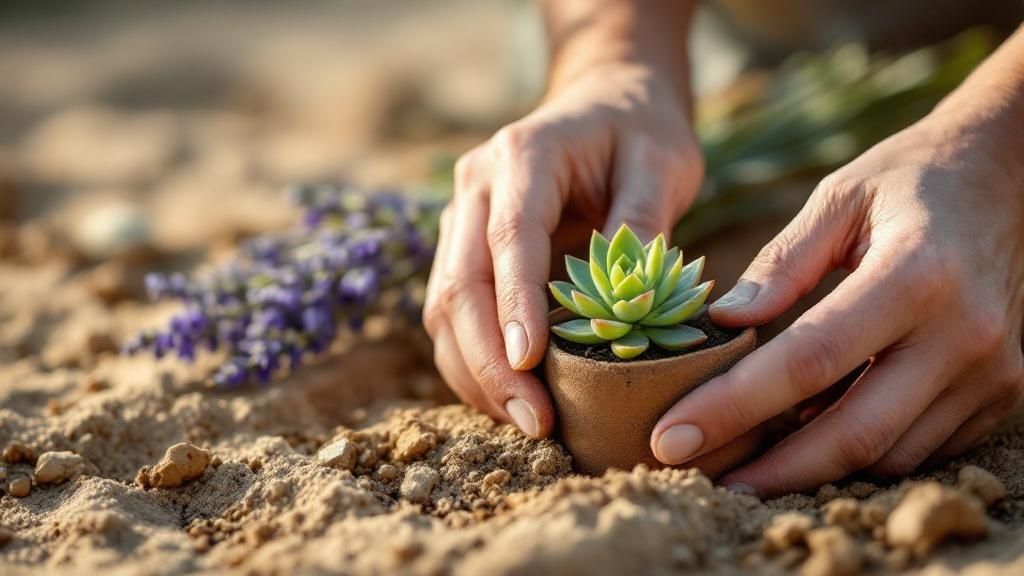
Okay, you’ve learned all about your yard's special features. Now for the really fun part—turning those notes into a beautiful and useful design. This is your chance to be both an artist and a scientist.
The goal here is to create a plan for your california native plant landscaping that’s more than just a pretty picture. We're building a smart, effective garden that connects to our local environment. A great native garden isn't just a random mix of plants; it's a carefully planned community where everything works together.
Let’s look at some tips that make this process fun and a lot easier.
Group Plants Wisely with Hydrozoning
One of the best ideas in water-wise gardening is hydrozoning. It sounds complicated, but the idea is simple: put plants with similar water and sun needs together. This will make your plants happier and your life easier.
Think of it like making a seating chart for a party. You wouldn't put a sun-loving desert plant next to a shade-loving fern that needs to stay wet. By creating different "zones" in your garden, you can water more efficiently. You give each group exactly what it needs without over- or under-watering its neighbors.
- Low-Water Zone: This is for your toughest plants—the ones that do well in full sun and dry soil. Think California Buckwheat, different Sages, and Manzanita. Once they’re settled, this zone might only need a good, deep watering once a month in the summer.
- Moderate-Water Zone: Here, you can group plants that like a little more moisture. This might be a spot with some afternoon shade. Plants like Coral Bells, Douglas Iris, and Coffeeberry are perfect here.
- Riparian Zone: If you have a low spot that stays damp, this is the zone for you. It’s great for plants that naturally grow near creeks, like Western Columbine or a Stream Orchid.
Hydrozoning isn't just about saving water; it's about keeping plants healthy. When plants with similar needs are grouped together, they help each other grow better.
This method is the foundation of a strong landscape. If you're looking for more ideas on what to plant where, exploring different drought-tolerant landscaping ideas can give you a great start for your hydrozoned plan.
Create Layers for Depth and Wildlife
A garden that really catches your eye has depth. The best way to get that look is to think in layers, just like you’d see in nature. When you mix different plant heights and shapes, you create a garden that is beautiful and also great for local wildlife.
Different layers provide different homes. Some birds like to look for insects on the ground under shrubs. Others need taller trees to build their nests. A multi-layered garden becomes a complete, working ecosystem in your backyard.
A Four-Layer Approach to Native Garden Design
| Layer | Plant Type | Role in the Garden | Example Native Plants |
|---|---|---|---|
| Canopy Layer | Small Trees | Provides structure, shade, and nesting spots for birds. | Coast Live Oak, Western Redbud |
| Shrub Layer | Medium to Large Shrubs | Forms the garden's backbone, offers privacy, and provides berries or nectar. | Ceanothus, Toyon, Manzanita |
| Perennial Layer | Flowers and Grasses | Adds seasonal color, texture, and food for pollinators. | California Fuchsia, Yarrow, Deer Grass |
| Groundcover Layer | Low-Growing Plants | Stops weeds, keeps soil moist, and offers a home for ground insects. | Creeping Sage, Yankee Point Ceanothus |
Choose a Garden Style That Speaks to You
Your native garden can also look like a specific California landscape that you love. Giving your design a theme not only looks great but also helps you pick plants that naturally grow together in the wild.
Coastal Sage Scrub Style
Imagine a sunny, open garden full of fragrant, silvery plants with pops of color. This style is perfect for hot, dry spots and uses tough, beautiful plants.
- Key Plants: Black Sage, California Sagebrush, Deerweed, California Encelia.
- The Vibe: Casual, sweet-smelling, and always buzzing with happy pollinators.
Woodland Garden Style
If you have a shady area, especially under existing trees, a woodland theme is a great choice. This style is all about lush leaves and delicate flowers. It creates a feeling of calm.
- Key Plants: Western Sword Fern, Island Alum Root, Wild Ginger, Redwood Sorrel.
- The Vibe: Cool, calm, and very peaceful.
When you bring these design ideas together—hydrozoning, layering, and a clear style—you're on your way to creating a California native plant garden that is not only beautiful but also a healthy, living system.
2. Picking the Right Native Plants for Your Area
This is where the fun really starts. Choosing your plants is when your garden's personality begins to show. The most important thing you can do for a healthy, low-maintenance garden is to pick plants that are already used to your specific part of California.
Remember, California isn't just one climate; it's a huge mix of different microclimates. A plant that loves the cool, foggy coast will get cooked in a hot inland valley. By matching plants to your local area from the start, you're setting yourself—and your garden—up for success.
Get to Know Your Local Climate Zone
Before you even think about a shopping list, you have to figure out your climate zone. This is the secret tool that helps you narrow down the huge number of choices to a smaller list of plants that will actually grow well where you live. California’s zones are very different, from hot deserts to misty northern coasts and high mountains.
Once you know your zone, you can confidently choose plants that will not just survive but will do great with very little work. This is how those amazing native gardens manage to look so beautiful with little effort. It's not magic; it's just the right plants in the right place.
When you choose a plant that’s truly native to your area, you’re not just gardening—you’re helping to restore a small piece of the local ecosystem. These plants are already built to handle your area’s rainfall, soil, and temperatures.
‘Bulletproof’ Plants for Common California Regions
While every garden is different, some native plants are just rockstars. They are reliable, beautiful, and pretty easy to grow in many parts of the state. I often think of these as the backbone of a good native garden design.
Here are a few dependable choices that I’ve seen work again and again:
- Foundation Shrubs: You can't go wrong with Ceanothus, also known as California Lilac. These plants are amazing. They have beautiful spring flowers, come in all shapes and sizes (from groundcovers to big shrubs), and are very drought-tolerant once they get settled.
- Colorful Perennials: If you want to attract hummingbirds and get a splash of late-season color, nothing beats California Fuchsia (Epilobium canum). Its bright red-orange flowers show up in late summer and fall when many other plants are resting.
- Iconic Trees: Have some space? A Coast Live Oak (Quercus agrifolia) is a wonderful gift to the future. It’s a key species that supports hundreds of types of wildlife and creates a beautiful, cooling shade for years to come.
This image really shows how much more efficient native plants are compared to the usual non-native options when it comes to saving resources.
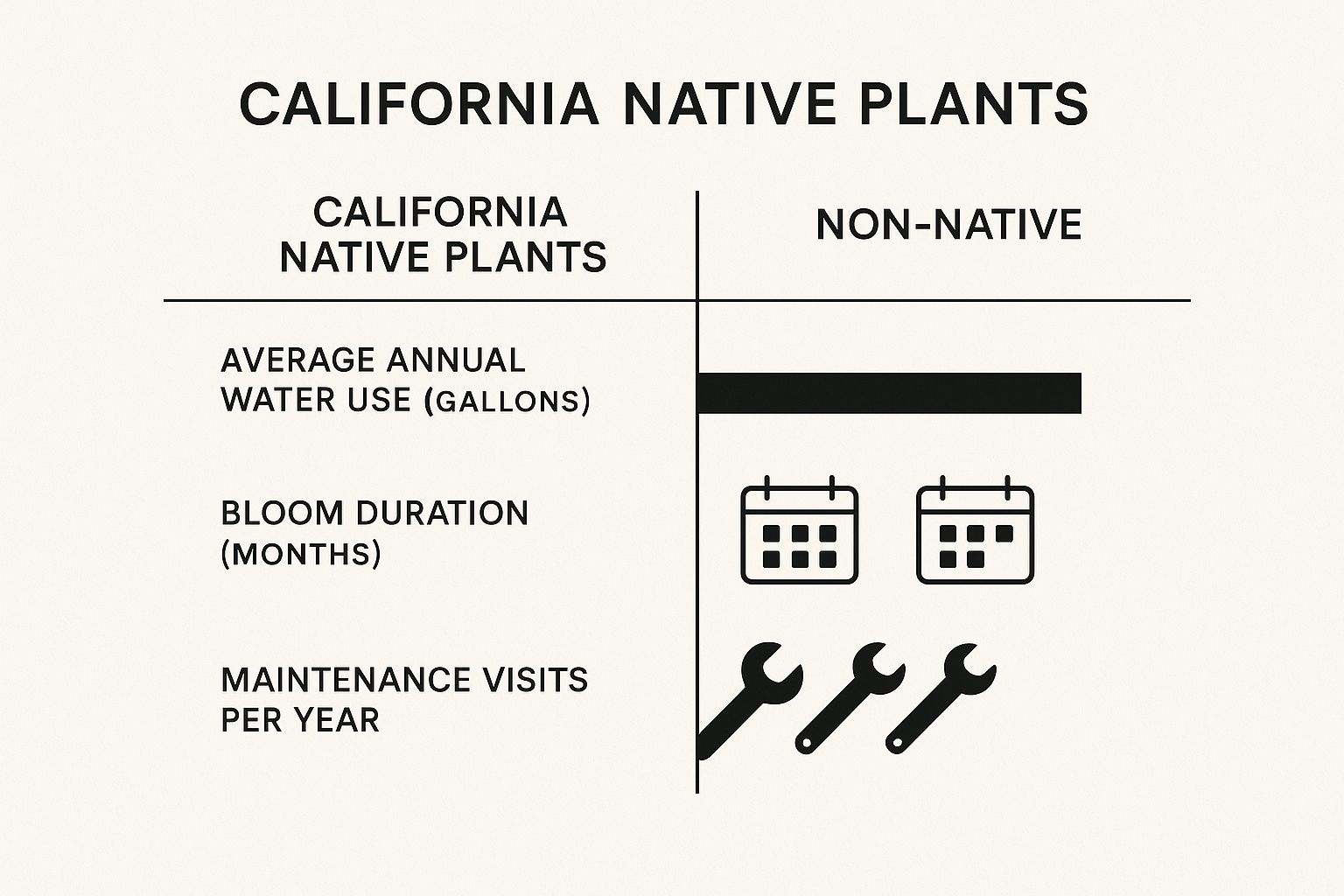
The difference is huge. California natives need much less water and care. At the same time, they provide longer bloom times that are a lifeline for local pollinators.
With so many choices, it can be hard to know where to start. This table gives a quick look at some great, reliable natives that do well in different parts of the state.
Popular Native Plants for Different California Regions
| Plant Name | Best Region | Sun Needs | Water Needs |
|---|---|---|---|
| Coast Redwood (Sequoia sempervirens) | Northern CA | Full Sun to Part Shade | Moderate |
| California Poppy (Eschscholzia californica) | All Regions | Full Sun | Very Low |
| Ceanothus (Ceanothus spp.) | All Regions | Full Sun | Low to Very Low |
| Manzanita (Arctostaphylos spp.) | Central & Northern CA | Full Sun | Very Low |
| Cleveland Sage (Salvia clevelandii) | Southern & Central CA | Full Sun | Very Low |
| Coast Live Oak (Quercus agrifolia) | Central & Southern CA | Full Sun | Very Low once established |
| Catalina Ironwood (Lyonothamnus floribundus) | Southern CA (Coastal) | Full Sun | Low |
This is just a starting point, of course. Always double-check a plant's specific needs against your garden's conditions. But these are some of the most loved and successful choices for California landscapes.
Building a Diverse Plant List
A great garden is all about layers. You want a mix of plant types that do different jobs, creating interesting textures and looks. A good plant list might include:
- Groundcovers to keep weeds down.
- Perennials for splashes of seasonal color.
- Shrubs to provide structure and a feeling of permanence.
- A small tree for height, shade, and a focal point.
For more inspiration, our guide to California native and drought-tolerant plants is full of more ideas to help you complete your garden plan.
And this isn't just an opinion. Researchers at the University of California have done tests that show many native plants perform very well in normal landscape settings. One study found that six specific native plants showed strong, beautiful growth in seven different climate zones with very little water. They proved that natives can look great in real-world conditions, not just out in the wild.
Find a Reputable Native Plant Nursery
This is a big one: where you buy your plants matters. A lot.
Your best choice is always a nursery that specializes in native plants. The staff there are true experts who know this stuff inside and out. They can give you advice that is specific to your town and your garden's goals.
Even better, these special nurseries grow their plants in a way that helps them succeed. The plants are already used to local soil and weather. This gives them a big head start compared to a plant you might buy from a big-box store. By starting with the right plants from the right place, you’re building the best possible foundation for a garden that will bring you joy—and help local wildlife—for years to come.
Bringing Your Native Garden to Life
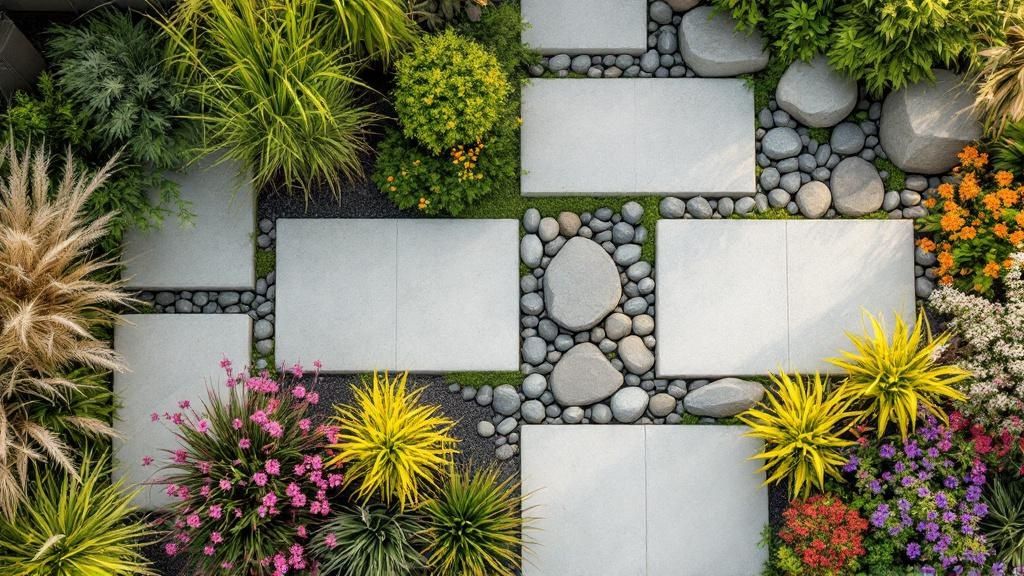
With a good design and your plant list ready, it’s finally time to get your hands dirty. This is the part I love—where your vision for a California native landscape starts to become real. It’s a process that begins with preparing the ground and ends with a healthy garden that looks like it has always been there.
For many of us, the first big step is getting rid of the old, thirsty lawn. This single action is one of the most powerful changes you can make. It creates a blank canvas for your new native garden.
Starting with Lawn Removal
Removing a traditional lawn is a key first step, but it doesn't have to be hard work. While there are a few ways to do this, one of my favorite eco-friendly methods is sheet mulching. It’s a great method that avoids harsh chemicals. You simply layer cardboard and a thick blanket of mulch right over the grass.
Sheet mulching basically smothers the lawn and any weed seeds in the soil. Over a few months, all that material breaks down and makes the soil richer. This builds a healthy foundation for your new plants. It’s a method that needs some patience, but the reward is huge—better soil and fewer weeds later on.
This change away from lawns is making a big difference. A study in Claremont, for example, found that when just 36 homes replaced their grass, they saved a total of 524,916 gallons of water in a single year. You can look at the full research to see the water-saving findings for yourself.
Planting for Long-Term Success
When it comes to planting California natives, timing is everything. The very best time to get new plants in the ground is in the fall, usually from October through November. Planting then gives them the whole cool, rainy winter to grow deep, strong roots before the stress of their first hot summer.
When you're ready to plant, a little bit of technique helps a lot:
- Dig the Right Hole: Your hole should be about twice as wide as the nursery pot, but no deeper. You want the top of the plant's root ball to sit just a little bit above the soil around it. This is very important for good drainage.
- Gently Loosen the Roots: After carefully taking the plant out of its pot, gently pull apart any roots that are circling at the bottom. This helps them spread out into their new home.
- Backfill and Water In: Put the plant in the hole and fill it with the soil you dug out. I like to build a small wall of dirt around the plant to hold water. Give it a good, deep watering right after planting to settle the soil.
A common mistake is adding lots of soil amendments or fertilizers to the planting hole. Remember, our native plants are perfectly suited to our local soils. Rich additives can actually do more harm than good and lead to weak growth.
Watering and Long-Term Care
Here's the best part: caring for a settled native garden is very simple. You will switch from constant, needy care to just checking in a few times a season. Your watering will start to copy nature's own cycles.
For the first year, your new plants will need some regular attention. The key is to water them deeply, but not too often. This encourages the roots to grow down deep to find moisture, which is what makes these plants so good at handling drought.
Once they're established—usually after one or two winters—they will need much less water. Many will be perfectly happy with a deep watering just once a month during the dry season. Some might not need any extra water from you at all.
Pruning should be very light. Just focus on cutting off dead branches or lightly shaping plants after they finish flowering. And instead of fighting weeds, let a thick layer of natural mulch (like bark chips or fallen leaves) do the work for you. It will stop weeds, keep the soil cool, and hold in moisture. This easy approach lets your garden find its own natural, beautiful rhythm.
Common Questions About Native Landscaping
Even with all the benefits, I understand that starting a native plant landscape can feel like learning a new language. It’s a different way of thinking about gardening. So, it's normal to have questions about how it all works. Let’s go over some of the most common questions people ask when they're ready to make a change.
This isn’t just about changing a few plants; it’s about creating a living system. Understanding the process from the start helps you enjoy the journey, from a few small plants to a healthy, grown-in garden that gives back.
How Much Does a Native Garden Cost?
Here's the honest answer: the starting cost for a native garden is often about the same as a traditional one. You'll have costs for things like lawn removal, preparing the soil, the plants themselves, and maybe some changes to your sprinklers. The real magic, though, is what happens over time.
Think of it as a smart investment in your home and your time. Once your native garden is established, it will cost you a lot less money.
- Water Bills: This is the big one. You can expect a big drop in your water bill. A well-planned native garden can use up to 60% less water than a thirsty lawn.
- Maintenance: Say goodbye to always buying fertilizer and pesticides. You'll also save a lot on lawn mowing services.
- Replacement Plants: You're using plants that want to be here. Because they are perfect for our climate, you'll lose fewer of them. That means you won't be spending money on replacements all the time.
The starting cost is a one-time thing. The savings on water, supplies, and maintenance keep coming, year after year.
What Should I Expect in the First Year?
Patience is your best friend during the first year. There's an old gardener's saying that plants "sleep, creep, then leap." That first year is all about the sleep part. Your new plants are putting all their energy into growing deep, strong roots underground—not putting on a big, flashy show of leaves and flowers above ground.
Your garden might look a little empty at first. That's not just normal, it's on purpose! That extra space is needed to give your plants room to grow to their full size without getting crowded. Sticking to a regular watering schedule this first year is very important to help them get settled before the summer heat. Don't worry if things look a little slow; all the important work is happening under the soil.
The first year is all about growing roots. Give them consistent, deep waterings, and trust the process. That big "leap" in growth you're hoping for will happen in the second or third year, and it's always worth the wait.
Will My Garden Look Dead in the Summer?
This is probably the biggest misunderstanding about native landscaping. It’s true that many California natives go dormant in the summer to save water. This is a smart survival skill they've learned over thousands of years. But "dormant" does not mean "dead." Many plants, like certain sages and buckwheats, will just look quieter. Their leaves might curl up a bit, or their colors might soften into beautiful, silvery grays.
A well-designed native garden has something to offer in every single season. The key is choosing a mix of plants that provide interest all year long.
- Summer Bloomers: You can absolutely have summer color! Plants like California Fuchsia and certain Buckwheats actually look their best in the heat of late summer and fall.
- Evergreen Structure: Plants like Manzanita and Ceanothus provide a rich, deep green backbone for your garden all year.
- Interesting Textures: The golden seed heads of native grasses like Deer Grass look beautiful in the late summer sun.
When you plan for four-season interest, your garden doesn't look lifeless. It simply moves through its natural, beautiful cycles.
Ready to create a beautiful, sustainable outdoor space that reflects the natural beauty of California? At Tamura Designs Landscape and Construction, we specialize in designing and building custom landscapes that are as stunning as they are eco-friendly. Let's bring your vision to life. https://tamuradesigns.com
