
Imagine your driveway is like a giant sponge instead of a hard slab of concrete. That's the basic idea of a permeable paver system. Instead of making rainwater run into the street, these clever systems let it soak right into the ground.
What Are Permeable Pavers and Why Use Them?
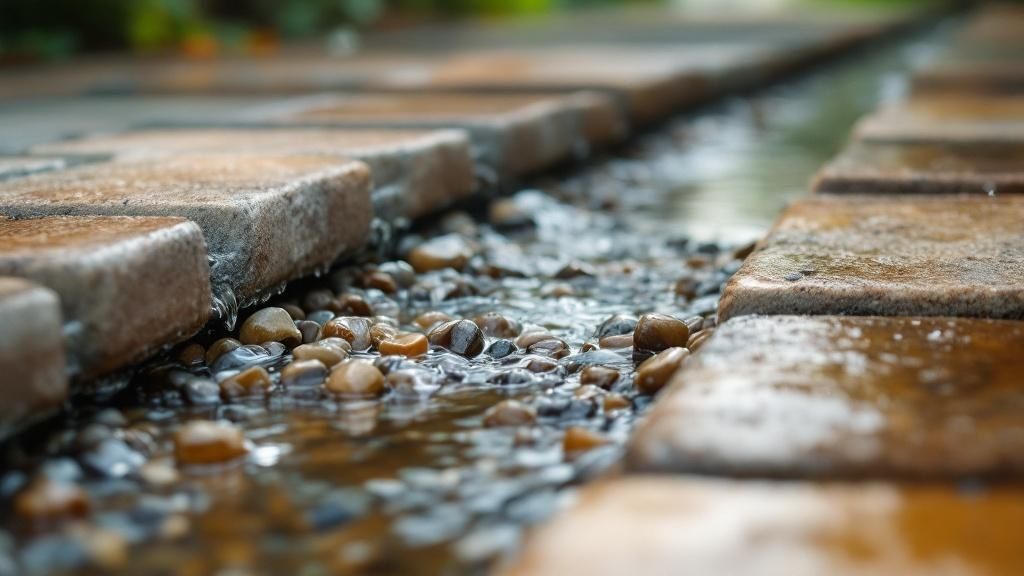
When rain hits surfaces like asphalt or concrete, it has nowhere to go. It runs off, picking up oil, chemicals, and other gunk. This dirty water then floods storm drains and pollutes our local rivers and lakes.
Permeable pavers offer a smarter, more natural way to handle rain. They look and feel like nice paving stones, giving you a solid surface to walk or drive on. But they are designed with one key difference: small gaps between the pavers let water pass right through.
The Basic Idea Behind Permeable Surfaces
Think about a forest floor. When it rains, the water doesn't just run off. It gets absorbed, slowly filtering down through the soil and back into the earth. Permeable paver systems are made to copy that same process, right in your yard. Instead of fighting nature, they work with it.
This simple change helps solve several big problems at once. By handling rainwater right where it falls, these systems take a huge load off our city's storm drains and help protect the environment.
It's a smart solution that's changing how we build driveways and patios. We're turning a problem—stormwater—into something that helps the property and the nature around it.
A well-installed permeable paver system can reduce runoff by as much as 90%. That's a huge help for easing the stress on storm drains and preventing local floods.
Why Choosing Permeable Matters
Picking a permeable driveway instead of a standard one has a real impact. It's a smart choice that makes your property greener and stronger. It’s about more than just managing water; it’s about creating a healthier environment.
- Better Water Quality: As water seeps through the layers of stone under the pavers, it gets cleaned naturally. Pollutants are trapped before they can reach the groundwater or local streams.
- Less Erosion: Heavy rain can wash away soil and damage your yard. Permeable surfaces stop this by soaking up the water instead.
- Refills Groundwater: These systems help refill the underground water sources our towns rely on for drinking water. This is a big deal, especially in dry areas.
In the end, permeable paver systems are a great solution that balances our needs with the health of the planet. You get a strong, beautiful surface that also works hard to manage rainwater, making your yard an asset for you and your community.
How a Permeable System Manages Rainwater
From the top, a permeable paver driveway or patio looks just like any other nice stone surface. The real magic, though, is hidden in the layers underneath. The whole system works together, like a natural water filter built right into your yard. It's a simple and effective way to handle rain.
So how does it "drink" the rain? It starts with the pavers on top. Unlike a solid piece of concrete, these pavers are set with small gaps between them. We fill those gaps with a special type of fine, crushed stone that lets water slip right through instead of making puddles.
This means that when a storm hits, you won't see water pooling up or running into the street. Instead, the rain goes downward, seeping through the gaps and into the special base below. This is where a permeable paver system does its most important work.
This diagram shows you the layers that make the whole system so good at managing storm water.
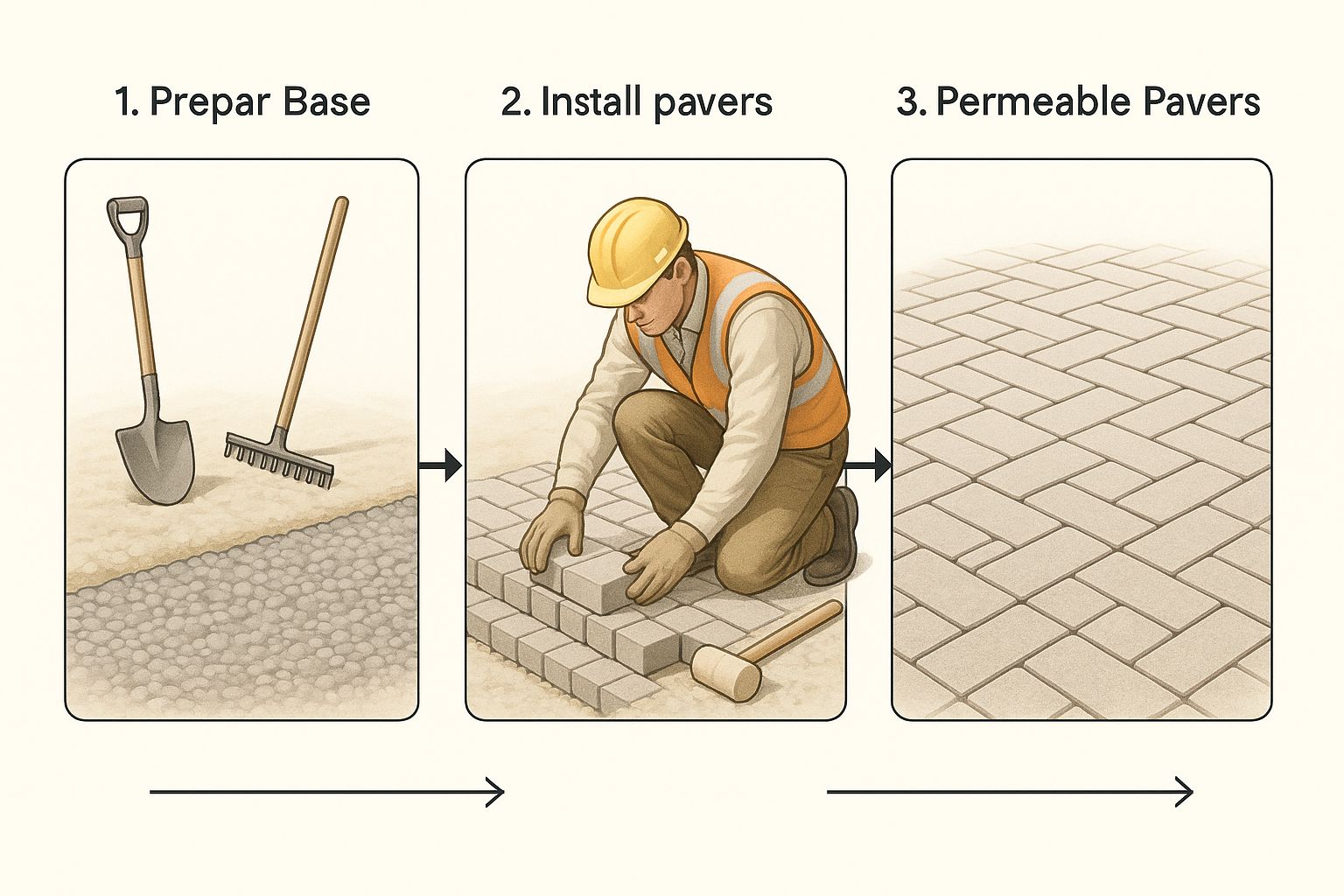
As you can see, the stone base doesn't just provide a strong foundation—it creates a large underground space for rainwater to collect before it slowly soaks into the earth.
The Journey of a Raindrop
Once a raindrop gets past the paver gaps, it enters a base made of several layers of open-graded aggregate. That’s just a fancy term for layers of different-sized, clean stones. Think of it as an underground tank made of rock, where all the spaces between the stones can hold a lot of water.
This base usually has three main layers:
- The Bedding Layer: This is the thinnest layer, right under the pavers. It's made of small, chip-sized stones that hold the pavers in place.
- The Base Reservoir: This is the thickest and most important layer. It’s built with larger stones that create big empty spaces, so it can hold a lot of water.
- The Subbase Reservoir: For some projects, we use an even larger stone at the very bottom. This gives us the most storage space and makes the system even more stable.
As water filters down through these rock layers, two great things happen. First, it gets cleaned naturally. The stones trap dirt, trash, and pollutants. Studies show these systems can remove 47% of solids and 69% of harmful bacteria like E. coli from the water.
By the time the water gets to the bottom, it's much cleaner. This process is a huge win for protecting our local streams and groundwater from pollution.
Recharging the Earth Below
After being cleaned and held in the stone base, the water finally reaches the soil at the bottom. From there, it gently and slowly soaks back into the earth. We call this groundwater recharge.
This final step is very important. It refills the natural underground water that our local wildlife and towns need. By acting like a forest floor that absorbs rain, a permeable paver system helps restore the natural water cycle, reduces the load on city storm drains, and stops the soil from washing away. It’s a complete solution for handling rain right where it falls.
The Real Benefits of Choosing Permeable Pavers
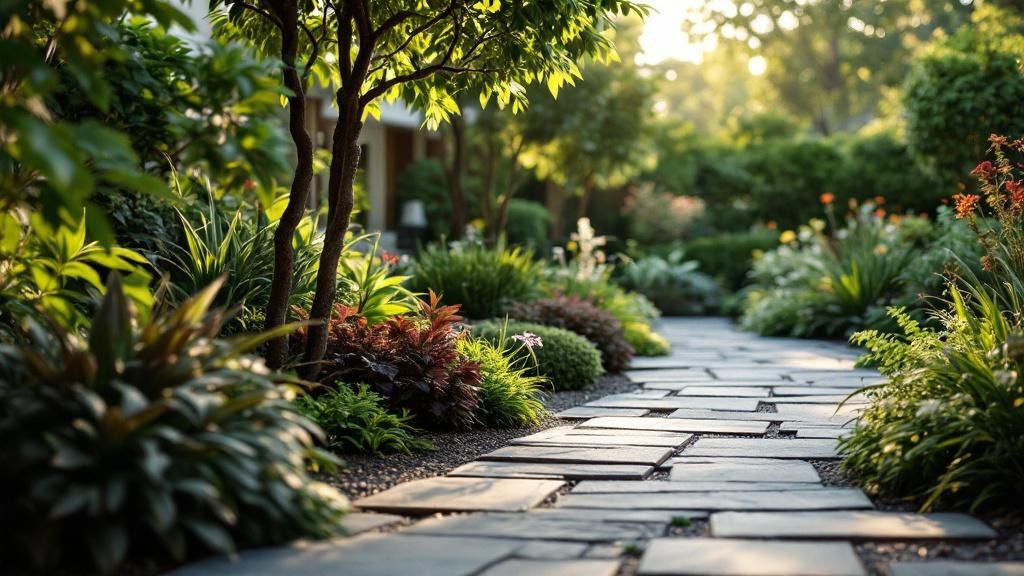
Sure, permeable pavers look great, but their real value is more than just looks. Choosing a permeable system helps both the planet and your wallet. It's a smart, green investment that is becoming a popular choice for homeowners who think about the future.
The benefits can be broken down into two main groups: good for the environment and good for your finances. Let's look at how they work together to make permeable surfaces a great choice.
Major Wins for the Environment
A permeable paver system is a hard worker for the environment. It solves many of the problems caused by regular surfaces like concrete and asphalt, which block the natural flow of water. By working with nature, these systems provide some serious green benefits.
The most obvious benefit is a big reduction in stormwater runoff. When heavy rain hits a normal driveway, all that water runs into the street, which can overload storm drains and cause floods. A permeable system can cut this runoff by as much as 90% by letting water soak into the ground.
This process also has another huge plus: it filters out pollutants. As water moves through the layers of stone under the pavers, nasty things like oil, heavy metals, and yard chemicals are naturally cleaned out before they can pollute local water.
These systems also help fight the urban heat island effect. Solid, dark pavement soaks up the sun's heat and makes our neighborhoods feel much hotter. Because permeable pavers let the ground breathe and moisture evaporate, they help cool the area around them.
But maybe the most important environmental benefit is groundwater recharge. By letting rainwater slowly seep back into the earth, permeable systems help refill the underground water sources that are vital for our communities.
Smart Financial Advantages for Homeowners
While a permeable paver system can sometimes cost more upfront than other options, it can be a smarter investment in the long run. The savings show up in a few different ways.
For one, you can often avoid putting in expensive drainage systems. Since the pavers handle water on their own, you may not need to pay for things like French drains or underground pipes. That alone can save you a lot of money on the project.
Also, many cities now offer money-saving deals for homeowners who choose green options.
- Tax Credits: Some local governments offer tax credits to help lower the cost of installing green features like permeable pavers.
- Utility Rebates: You might get a discount on your stormwater bill since your property is putting less stress on the public system.
- Grants: In some places, grants are available to help pay for part of the cost of eco-friendly projects.
This growing support shows a wider trend. The worldwide market for permeable paver systems is valued at around USD 1.75 billion, thanks to new stormwater rules and people wanting green landscaping. This shows just how valuable these systems have become. You can explore more data on the permeable paver market to see the industry's growth.
Finally, adding a high-quality, green feature like a permeable driveway or patio is a proven way to increase your home's value. It’s a solid long-term investment that pays you back in both daily enjoyment and future resale value.
Permeable Pavers vs Traditional Paving: A Quick Comparison
To really see the difference, it helps to put the two options side-by-side. This table shows how permeable systems compare to old-school concrete and asphalt.
| Feature | Permeable Paver Systems | Traditional Concrete/Asphalt |
|---|---|---|
| Stormwater Management | Excellent; absorbs water on site | Poor; creates a lot of runoff |
| Water Quality | Good; filters pollutants naturally | Poor; carries pollutants into drains |
| Environmental Impact | Low; helps refill groundwater | High; disrupts natural water cycle |
| Long-Term Cost | Can be lower by avoiding drainage costs and getting discounts | Can be higher due to needing extra drainage and repairs |
| Style Options | Very high; many styles, colors, and textures | Limited; fewer design choices |
As you can see, the choice is pretty clear when you look at the whole picture. Permeable pavers offer a better solution that is both beautiful and built for the future.
Finding the Right Style for Your Home
Choosing a permeable paver system doesn’t mean you have to pick a boring look. Not at all. This is your chance to get creative and improve your home's curb appeal. The days when "eco-friendly" meant "plain" are over. Today’s permeable options come in a huge range of materials, colors, and textures that can match any home.
The real magic of a permeable system is that the hard work happens underground. What you see is a beautiful, high-end surface that looks just like any other nice paver installation. You get all the environmental benefits without giving up on looks.
Exploring Your Material Options
The first big choice is picking the right material. This sets the style for your whole outdoor space, whether you want a modern look or something more classic and cozy.
You'll generally find three main types of permeable pavers, and each has its own feel.
- Interlocking Concrete Pavers: These are popular for a reason. Concrete pavers come in a ton of shapes, sizes, and colors. You can find everything from smooth, modern styles to bumpy textures that look like old cobblestone.
- Clay Bricks: If you love a classic, timeless look, you can't go wrong with permeable clay bricks. Their rich, warm colors add a sense of history and tradition to any patio or driveway.
- Grid Systems: This is a more modern type of permeable surface. These systems use a plastic or concrete grid that is filled with either gravel or grass. A grass-filled grid is great for blending your hardscape with your yard, creating a living, green surface.
The key is to see the pavers as part of your home's design. The goal is to create a smooth flow from your house to your outdoor areas, making the whole property feel connected.
Matching Colors and Textures to Your Home
Once you’ve picked a material, the real fun starts: choosing the colors, shapes, and patterns. This is where you can show your personality and design a space that's all yours. The options are almost endless.
Think about the feeling you want to create. Do you like warm, earthy colors like tans and reds, or do you prefer the cool look of grays and charcoals? You don't have to stick to just one—mixing colors can create a more interesting, natural-looking finish.
For example, a modern home might look amazing with large, sleek, gray pavers. But a traditional brick house could look perfect with a mix of smaller, multi-colored pavers laid in a classic herringbone pattern.
From Functional Surface to Outdoor Oasis
A well-designed permeable paver system is more than just a way to handle rainwater—it’s a tool for improving your lifestyle. It can be used to create separate outdoor "rooms," make inviting paths, and turn a patch of grass into a real part of your home. To get the most out of it, think about how permeable pavers can help you transform your backyard into a luxurious outdoor living space.
Here’s how a few different choices can shape your space:
- For a Rustic Feel: Choose tumbled concrete pavers or clay bricks in warm, earthy colors. Laying them in a random or curved pattern creates a soft, natural look that feels like it’s been there for years.
- For a Modern Vibe: Pick large, smooth pavers with clean, sharp edges. A simple color scheme, like different shades of gray, and a straight pattern will give you a polished, modern finish.
- For a Natural, Green Look: A turf block system is a great choice. It gives you the support you need for a driveway but lets grass grow through, softening the look and mixing the hardscape right into the garden.
At the end of the day, you don't have to choose between function and design. With the amazing variety of permeable paver systems available today, you can have both: a beautiful, strong, and environmentally smart outdoor space you’ll love for years.
The Installation Process and What to Expect
Putting in a permeable paver system is more like building a hidden, underground water tank than just laying a patio. It's a bigger job than just pouring a slab of concrete. With permeable systems, everything that matters happens under the pretty stones you see on top.
The whole thing starts with a lot of digging. A professional crew will dig out the area, often going much deeper than you might think. This is because we need to make space for the underground stone base that will hold rainwater. Preparing the ground properly is key, and it's similar to the steps for preparing soil for your landscape projects.
Building the Critical Base Layers
Once the hole is dug, the real work begins. We don't just dump in some gravel. We build a carefully planned foundation using different sizes of clean, washed stone.
This base does two very important jobs:
- Support: It creates a super strong foundation that can handle everything from parties to the weight of a car.
- Water Storage: The gaps between the stones act like a giant underground tank for rainwater, letting it soak in slowly.
The base is built from the bottom up, starting with bigger stones and getting smaller with each layer. Every layer is leveled and packed down perfectly to make sure it's stable and drains well. Rushing or cutting corners on this step is the main reason a permeable paver system fails.
Hiring a qualified professional isn't just a good idea—it's necessary. An expert knows how to check the local soil, plan for rainfall, and layer the stone correctly. That’s what makes sure your system will handle water the right way for years to come.
After the base is perfect, a thin layer of small, chip-sized stone is spread out for the pavers to sit on. The pavers are then carefully set in place in your chosen pattern. The final step is to sweep a special, fine stone mix into the gaps. This locks the pavers together but leaves enough space for water to slip through.
Understanding the Cost Factors
Several key things will affect the final cost of a permeable paver system. Knowing what they are will help you plan your budget. These systems are getting more popular for good reason. The global permeable paver market was valued at around USD 5.67 billion and is expected to grow to about USD 7.2 billion in the next ten years, all because of new environmental rules and smart homeowners.
Here’s a quick look at what affects the price:
- Project Size and Design: It's simple—a bigger, more complex design will need more materials and more time to install.
- Paver Choice: The style, color, and type of paver you choose will be a big part of the material costs.
- Site Conditions: Things like a steep slope, the type of soil we're digging into, and how easy it is to get equipment to the site can all change the amount of prep work needed.
A well-designed permeable pavers patio is a real investment. It doesn't just look great; it adds real value to your home and makes it more eco-friendly. When you understand the process and the costs, you can plan a project that is both beautiful and built to last.
Simple Maintenance for a Lasting System
One of the biggest myths about permeable paver systems is that they’re hard to take care of. People think they need constant, difficult work, but that's not true. With just a little regular care, your permeable patio or driveway will look great and work perfectly for many years.
Think of the small gaps between the pavers as the system's lungs—they need to stay clear to "breathe in" the rainwater. When leaves, grass clippings, and dirt build up, they can clog those gaps and slow things down. The goal is just to keep them clear.
Your Basic Maintenance Checklist
Keeping your permeable pavers in top shape is easy and doesn't take much time or special tools. Most of it is just a quick walk-around with a few common garden tools. A little bit of regular care is much better than waiting for a huge cleanup job.
Here’s a simple routine to follow:
- Regular Sweeping: Use a stiff-bristle broom to sweep the surface every few weeks, especially after a storm. This simple step stops leaves and other junk from getting stuck in the gaps.
- Occasional Rinsing: Every couple of months, a quick rinse with a garden hose can wash away fine dust. Do not use a high-pressure washer, as it can blast the special stone right out of the gaps.
- Weed Patrol: If you see a weed pop up, just pull it out by hand. This is much better than using chemical weed killers, which aren't good for the system or the environment.
The key to long-term success is being consistent, not working hard. A few minutes of sweeping each month is all it takes to prevent most clogging problems.
Keeping Your System Healthy for the Long Haul
While regular sweeping and rinsing handle the daily care, every few years your system might need a deeper cleaning. Think of it as a tune-up to make sure it keeps soaking up water as well as it can. For bigger drainage issues, looking into patio drainage solutions can give you some good ideas.
This deeper clean is a job for pros. A trained crew will use special vacuum tools to gently lift out the top layer of stone from the paver gaps. This pulls out any fine dirt that has worked its way deep into the gaps over the years.
Once the old material is out, they’ll fill the gaps with fresh, clean stone. It's like hitting the reset button on your system. Having this done every 3 to 5 years is a smart way to protect your investment and make sure your permeable paver system keeps handling rainwater just like it did on day one. It’s a small step that gives you a lot of peace of mind.
Got Questions About Permeable Pavers? We Have Answers.
Thinking about a new driveway or patio is exciting, but it's smart to have questions about how a permeable paver system works in the real world. We understand. Here are some simple answers to the questions we hear most often from homeowners, so you can feel good about this choice for your home.
Can I Really Use Permeable Pavers for My Driveway?
Yes, absolutely! This is one of the most common questions we get. A permeable paver system is more than strong enough to handle the daily use of cars, SUVs, and anything else you park in your driveway.
The secret isn’t just the pavers—it's the deep, well-packed base of stone we build underneath. This strong foundation provides all the strength, giving you a driveway that’s built to last and is also great at handling rain.
Do Permeable Pavers Clog Up Easily?
Clogging is a real concern, but it’s easy to manage with a little bit of care. The main problems are fine dirt and leaves that get into the gaps between the pavers.
Honestly, a quick sweep every now and then is usually all it takes to keep the surface clear and the gaps working right. This tiny bit of effort stops buildup and keeps your system soaking up water like a sponge.
For a deeper clean, you can have the gaps professionally vacuumed and refilled every few years. But for day-to-day care, it’s very low-maintenance.
Are They Slippery When It Rains?
You might think so, but they’re actually less slippery than solid surfaces like sealed concrete. The design is the key. Because rainwater drains right through the surface instead of sitting on top, you don't get that slippery sheet of water during a storm.
Also, the textured surface of the pavers and the gaps themselves add extra grip, making them a much safer choice for walkways, patios, and driveways.
How Do They Handle Snow and Ice?
Permeable pavers work great in the winter. You can shovel or plow snow just like you would on any other surface. We just suggest using a plow with a rubber edge to be safe.
The real benefit comes when things start to melt. Because water drains away instead of puddling on the surface, there's a lot less refreezing. This means much less of that dangerous black ice compared to what you’d see on a regular driveway.
A quick tip: if you need more grip, don't use sand, as it can clog the gaps. A sprinkle of small, clean stones will give you the traction you need without messing up the system.
Ready to transform your outdoor space with a solution that's as smart as it is beautiful? The team at Tamura Designs brings over 30 years of experience to the table, designing and installing stunning permeable paver systems. Let us help you create a landscape you'll be proud of. https://tamuradesigns.com
