
Welcome to your definitive guide for maintaining a stunning and sustainable landscape in Morgan Hill, California. The unique microclimate of our region, with its warm, dry summers and cool, wet winters, demands a specific and proactive approach to yard care. This is not just another generic list; it's a comprehensive, year-round landscape maintenance checklist meticulously crafted to address the specific challenges and opportunities our local environment presents.
Forget guesswork and wasted effort. This professional roundup provides a seasonal, step-by-step framework to ensure your lawn, plants, and hardscapes not only survive but truly thrive. We will delve into eight crucial pillars of landscape care, from irrigation system efficiency to seasonal plant management, offering actionable insights and eco-friendly alternatives tailored for Morgan Hill. Our goal is to transform routine upkeep into a strategic practice that enhances your property's value and beauty.
This guide moves beyond basic tips, offering the professional secrets that turn a simple yard into a breathtaking personal retreat. Whether you are tending to a vibrant garden, managing a drought-tolerant xeriscape, or maintaining intricate stonework, this landscape maintenance checklist is your blueprint for success. Following these steps will help you cultivate a resilient, beautiful outdoor space that remains a source of pride and joy throughout every season. You will learn precisely what to do, when to do it, and why it matters for achieving a truly exceptional Morgan Hill property.
1. Master Your Mowing and Edging for a Flawless Foundation
The crisp, clean look of a professionally manicured lawn is the cornerstone of any beautiful landscape. In Morgan Hill, our extended growing season means that mowing and edging are not just summer chores but year-round disciplines. This foundational task on our landscape maintenance checklist is about more than just cutting grass; it's about promoting turf health, creating sharp visual lines that define your outdoor spaces, and preventing common issues like weed encroachment and pest infestations.

Proper technique is paramount. Cutting too short can stress your lawn, making it susceptible to sun scorch and disease, while letting it grow too long can create a haven for unwanted pests. The key lies in strategic, consistent care tailored to our local climate.
Actionable Mowing & Edging Techniques
To elevate your lawn care from a simple chore to a strategic practice, focus on these specific actions.
- Optimal Cutting Height: For common Northern California turf types like tall fescue and perennial ryegrass, aim to maintain a height of 2.5 to 3.5 inches. This taller height encourages deeper root growth, helps the soil retain moisture, and naturally shades out weed seeds. Never remove more than one-third of the grass blade in a single mowing session to avoid shocking the plant.
- Alternate Your Mowing Pattern: Avoid mowing in the same direction every time. Alternating your pattern (e.g., vertical, horizontal, diagonal) prevents the grass blades from leaning in one direction and reduces soil compaction and rutting, leading to a healthier, more upright lawn.
- Keep Blades Sharp: Dull mower blades tear grass instead of cutting it cleanly. This tearing creates ragged, brown tips and makes your lawn more vulnerable to disease. Sharpen your mower blades at least twice during the growing season for a consistently clean cut.
Pro-Tip: The practice of "grasscycling," or leaving the clippings on the lawn, acts as a natural fertilizer. The fine clippings decompose quickly, returning valuable nitrogen and nutrients to the soil. This is an excellent eco-friendly tip that also reduces yard waste.
The Power of Professional Edging
While mowing creates a uniform surface, edging is what provides the sharp, deliberate definition that separates your lawn from walkways, patios, and garden beds. A clean edge creates a visual frame, making your entire landscape look more intentional and well-maintained. For example, a crisp, vertical edge along a flagstone patio or a curving garden bed, like those often seen in custom landscapes by Tamura Designs, can elevate your property's curb appeal from average to exceptional. It’s the finishing touch that signals meticulous care and attention to detail.
2. Implement Smart Irrigation and Water Management
Efficient water management is critical for maintaining a thriving landscape in Morgan Hill's Mediterranean climate, where water conservation is a top priority. A properly functioning irrigation system is the second crucial item on our landscape maintenance checklist because it delivers the precise amount of water your plants need, exactly where they need it, preventing both underwatering stress and wasteful runoff. This isn't just about turning on a sprinkler; it's a strategic approach to nurturing your landscape's health while being a responsible steward of a precious resource.
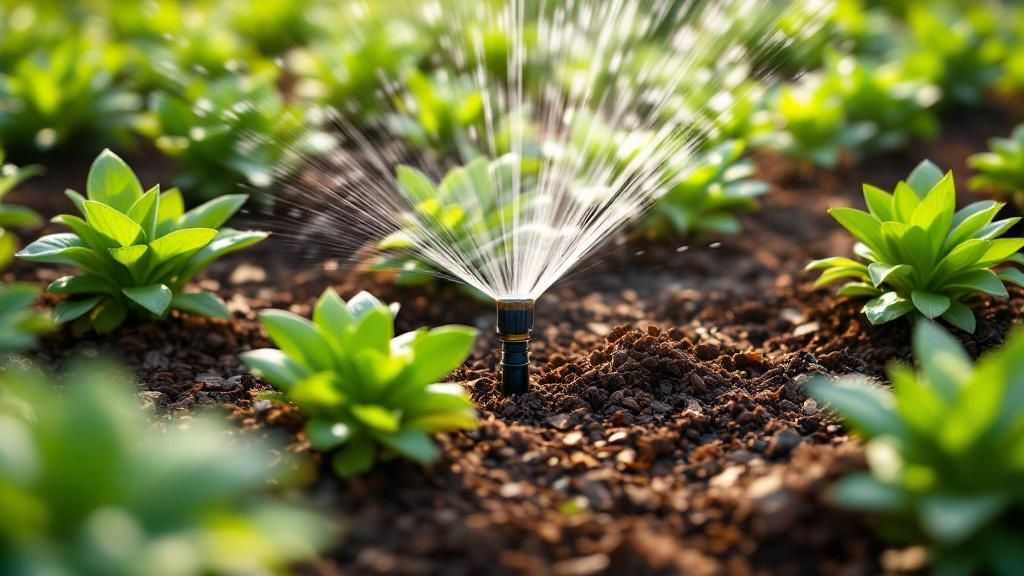
From sophisticated drip systems that target root zones in garden beds to smart sprinkler controllers that adjust to weather patterns, modern irrigation technology allows for incredible precision. Regular maintenance ensures these systems, whether from brands like Rain Bird or Hunter Industries, operate at peak efficiency, protecting your landscape investment and the local water supply.
Actionable Irrigation System Checks
To shift from passive watering to active water management, incorporate these specific checks into your routine.
- Perform Monthly Visual Inspections: Once a month, manually run each irrigation zone and walk through your property. Look for clogged drip emitters, broken sprinkler heads, misaligned spray patterns that water pavement, and any visible leaks or pooling water. Addressing these small issues promptly prevents bigger problems and significant water waste.
- Adjust Schedules Seasonally: Your landscape's water needs change dramatically from the cool, wet winters to the hot, dry summers of Northern California. Adjust your watering schedule at least four times a year. Reduce frequency during cooler months and increase it during peak summer heat, always watering in the early morning to minimize evaporation.
- Check for Leaks and Clogs: Beyond visual checks, look for signs of hidden leaks, such as unusually green patches in the lawn or areas that remain soggy. Drip lines, in particular, can become clogged with mineral deposits or soil, starving plants of water. Flush the lines periodically and ensure filters are clean.
Pro-Tip: Install a smart irrigation controller that uses real-time weather data to automatically adjust watering schedules. These devices can connect to local weather stations and will pause irrigation cycles when it rains, saving water and money without you having to lift a finger.
The Value of Precision Watering
The goal of a well-maintained irrigation system is to apply water as efficiently as possible, mimicking natural rainfall where appropriate and delivering it directly to the roots where it's most effective. For instance, drip irrigation is ideal for vegetable gardens and densely planted flower beds, minimizing fungal diseases by keeping foliage dry. In contrast, properly adjusted spray heads are suitable for turf areas. For homeowners interested in maximizing water savings, pairing an efficient irrigation system with smart plant choices is key. You can explore a variety of beautiful and sustainable options in our guide to drought-tolerant landscaping ideas. This integrated approach ensures every drop of water contributes to a vibrant, resilient, and beautiful landscape.
3. Fertilization and Soil Amendment for Thriving Plant Life
Just as a healthy diet is crucial for people, strategic fertilization and soil amendment are vital for the health of your landscape. In Morgan Hill's unique climate, our soil can often lack essential nutrients or have a compacted structure that inhibits root growth. This step in our landscape maintenance checklist focuses on nourishing your plants from the ground up, creating a rich, bio-active soil environment where turf, shrubs, and flowers can truly thrive.
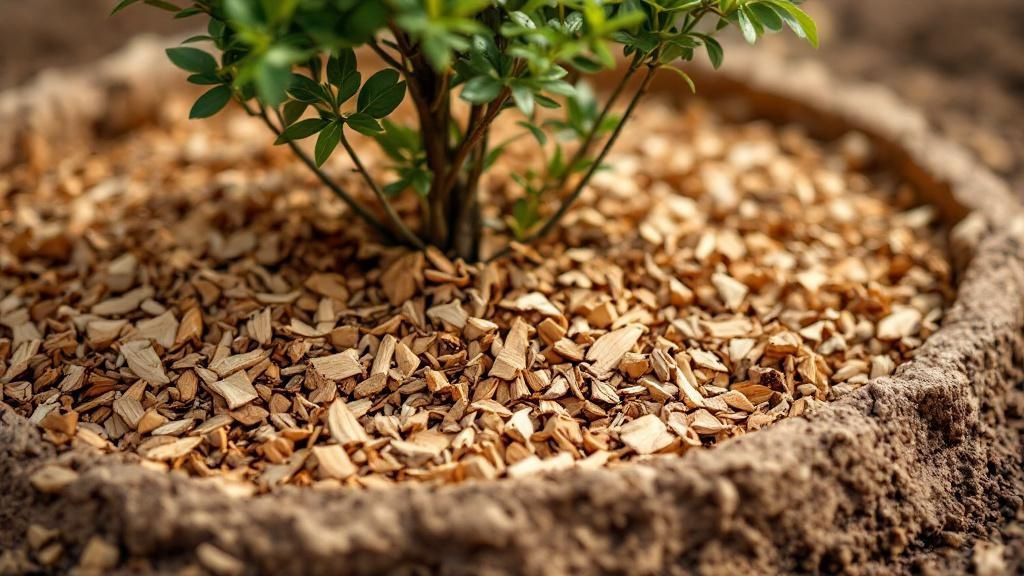
Effective fertilization is not about applying generic products at random; it's a science. It involves understanding what your specific soil needs and delivering those nutrients at the right time. Amending the soil with organic matter improves its structure, water retention, and microbial life, building a sustainable foundation for long-term plant health.
Actionable Fertilization & Soil Health Techniques
To move beyond simply feeding your plants and start cultivating truly healthy soil, implement these targeted actions.
- Test Your Soil First: Before applying any fertilizer, conduct a soil test every 2-3 years. This provides a precise analysis of your soil's pH and nutrient levels (nitrogen, phosphorus, potassium). This data-driven approach prevents over-fertilization, which can harm plants and pollute local waterways, ensuring you apply only what is needed.
- Time Applications for Maximum Impact: Apply fertilizers strategically based on the season and plant needs. A spring application of slow-release nitrogen, like that found in Espoma or Milorganite products, supports lush lawn growth. In the fall, a fertilizer higher in phosphorus encourages strong root development before winter dormancy.
- Incorporate Organic Matter: Regularly amend your garden beds with high-quality organic compost. This improves clay soils' drainage and sandy soils' water retention. Compost also introduces beneficial microbes, creating a vibrant soil ecosystem. Ensuring optimal plant nutrition is paramount for a vibrant landscape, and it starts with a healthy soil biology.
Pro-Tip: Always water your lawn and garden beds lightly before and after applying granular fertilizer. This helps the nutrients dissolve and absorb into the soil, moving them to the root zone where they are needed most and preventing chemical burns on grass blades or plant leaves.
The Benefit of Tailored Nutrient Plans
Different plants have different needs. A one-size-fits-all approach rarely yields exceptional results. For instance, acid-loving plants like azaleas and camellias may require different soil amendments than native California plants. Understanding these nuances is key. For those incorporating drought-resistant species, it's important to know that many California natives and drought-tolerant plants actually prefer less-fertile soil and can be harmed by excessive fertilizing. A customized plan ensures every part of your landscape receives the precise care it needs to flourish.
4. Prune and Trim for Plant Health and Aesthetics
Strategic pruning and trimming are among the most vital tasks on any comprehensive landscape maintenance checklist, acting as both a corrective and preventative measure. In Morgan Hill, where a diverse range of ornamental plants, fruit trees, and native species thrive, this practice is crucial for managing growth, enhancing beauty, and ensuring long-term plant vitality. It involves the selective removal of dead, diseased, or overgrown branches to improve a plant’s structure, stimulate healthy new growth, and increase flower or fruit production.

Properly executed, pruning is an art form that respects a plant's natural form while guiding its development. Incorrect trimming, however, can cause irreversible damage, introduce disease, and weaken the plant's overall structure, making this a task that demands knowledge and precision.
Actionable Pruning & Trimming Techniques
To transform your pruning from a simple haircut into a beneficial horticultural practice, apply these targeted techniques.
- Understand the "Why" Before You Cut: Different plants require different approaches. For example, pruning roses in the late winter encourages vigorous spring blooms, while thinning the canopy of a mature oak tree can improve airflow and reduce the risk of storm damage. Formal hedges need frequent, light trimming to maintain their shape, whereas fruit trees require specific cuts to maximize harvest quality.
- Master the Proper Cut: Always use sharp, clean tools. Make your cuts at a 45-degree angle, about a quarter-inch above a growth node or outward-facing bud. This angle prevents water from pooling on the cut surface, which can lead to rot and disease, and encourages new growth in the desired direction.
- Follow the 25% Rule: As a general guideline, never remove more than 25% of a plant's living canopy in a single growing season. Over-pruning can send a plant into shock, severely limiting its ability to photosynthesize and recover, ultimately making it more susceptible to pests and stress.
Pro-Tip: Sterilizing your pruning tools (shears, loppers, saws) between plants is a non-negotiable step. Simply wipe the blades with a cloth soaked in isopropyl alcohol or a 10% bleach solution. This simple action is one of the most effective ways to prevent the spread of fungal and bacterial diseases throughout your garden.
The Impact of Professional Pruning
While basic trimming can be a DIY task, understanding the intricate needs of specific varietals often requires professional expertise. Knowing precisely when to prune a crepe myrtle versus a Japanese maple can mean the difference between a stunning seasonal display and a stressed, unhealthy plant. For instance, creating clean, structural lines in formal landscapes or executing the complex pruning required for espaliered fruit trees is a skill that elevates a property’s design. This level of detail ensures each plant not only survives but truly thrives, contributing to a cohesive and vibrant landscape vision.
5. Weed Control and Management
Unwanted weeds are more than just an eyesore; they are fierce competitors that steal vital water, sunlight, and nutrients from your desired plants. An effective weed control strategy is a critical component of any comprehensive landscape maintenance checklist, especially in Morgan Hill where diverse weed species can quickly take over garden beds and lawns. A systematic approach that combines preventative measures with targeted removal is essential for maintaining both the beauty and health of your landscape, ensuring your flowers, shrubs, and turf can thrive without competition.
Simply pulling weeds as they appear is a reactive, often losing battle. A truly successful plan involves understanding weed life cycles and using a combination of cultural, mechanical, and, when necessary, chemical methods to stay ahead of the problem.
Actionable Weed Control & Management Techniques
To shift from constant weeding to proactive management, integrate these targeted strategies into your routine.
- Apply Pre-Emergent Herbicides: The best defense is a good offense. Applying pre-emergent herbicides in late winter or early spring, specifically before soil temperatures consistently reach 55°F, prevents weed seeds like crabgrass from ever germinating. This single action can dramatically reduce the number of weeds you'll fight all season.
- Master the Art of Mulching: A thick layer of mulch, ideally 3 to 4 inches deep, is one of the most effective non-chemical weed barriers. It smothers existing small weeds and blocks sunlight, preventing new seeds from sprouting. Organic mulches like bark or wood chips also improve soil health as they decompose.
- Hand-Pull Strategically: For weeds that do break through, timing is everything. The most effective time to hand-pull weeds is after a rain or deep watering when the soil is moist and loose. This allows you to remove the entire root system, preventing regrowth.
Pro-Tip: Correctly identifying a weed is the first step to controlling it. Broadleaf weeds like dandelions require a different approach than grassy weeds like foxtail. Use a plant identification app or resource to ensure you are selecting the most effective treatment, whether it's a specific selective herbicide or a cultural practice.
The Integrated Approach to a Weed-Free Landscape
A truly sustainable and effective strategy combines multiple methods. For instance, you might use a pre-emergent in your lawn, maintain a deep layer of mulch in your garden beds, and hand-pull the few stragglers that appear. This integrated pest management (IPM) approach minimizes chemical use and creates a resilient landscape. Many homeowners are also exploring solutions that prioritize the health of the local ecosystem. You can learn more about how these principles are applied in eco-friendly landscaping on tamuradesigns.com to create beautiful, low-maintenance outdoor spaces. This holistic view is the secret to long-term success and a core part of a modern landscape maintenance checklist.
6. Mulching and Ground Cover Management
Beyond the lawn, the health and appearance of your garden beds define the character of your landscape. Mulching is a critical practice in our Morgan Hill climate, acting as a protective blanket for your soil. This essential step on our landscape maintenance checklist involves applying a layer of material to the soil surface to retain moisture, suppress persistent weeds, regulate soil temperature, and enrich the soil as it decomposes. It’s a multi-benefit task that reduces water usage and maintenance time while providing a polished, unified look to your planting areas.
Proper mulching is a cornerstone of sustainable landscaping. By selecting the right type and applying it correctly, you create a healthier environment for your plants, from ornamental shrubs to vibrant perennials, allowing them to thrive even during our dry summers. It's the secret to a landscape that looks effortlessly lush and well-cared-for.
Actionable Mulching & Ground Cover Techniques
To maximize the benefits of mulching, move beyond simple application and adopt a more strategic approach.
- Apply the Correct Depth: Spread a layer of organic mulch, such as shredded hardwood or pine straw, to a depth of 2-4 inches. This depth is sufficient to block sunlight from reaching weed seeds and to retain soil moisture effectively. Be careful to pull mulch back from the base of plant stems and tree trunks to prevent moisture buildup, which can lead to rot and disease.
- Refresh Annually: Organic mulches decompose over time, adding valuable nutrients to the soil. This natural process means the layer thins out. Plan to refresh your mulch annually, typically in the spring, to maintain the proper depth and ensure your garden beds remain protected and aesthetically pleasing throughout the year.
- Choose Complementary Materials: The type of mulch you choose can enhance your home's design. Shredded hardwood offers a classic, natural look, while a rich, dark compost can make plant colors pop. For xeriscaped or modern designs, inorganic options like decomposed granite or gravel mulch can provide texture and contrast that complements the architectural style of your property.
Pro-Tip: Before applying fresh mulch, take the time to weed the garden bed thoroughly and create a clean, defined edge around its perimeter. This simple preparation step makes the final result look incredibly professional and sharp, preventing grass from creeping into your beds.
The Role of Living Ground Cover
An alternative or complement to traditional mulch is the use of living ground cover. Plants like creeping thyme, periwinkle, or native sedges can act as a "green mulch," effectively suppressing weeds and retaining soil moisture while adding texture and color. In Morgan Hill, integrating drought-tolerant ground covers into a landscape design, a specialty of firms like Tamura Designs, creates a resilient and beautiful garden that reduces the need for constant mulch replenishment. It’s a dynamic, low-maintenance solution that contributes to a healthier local ecosystem.
7. Implement Proactive Pest and Disease Monitoring
A thriving landscape can quickly be compromised by unseen threats. Pests and diseases can silently wreak havoc on your plants, turning lush foliage into a withered disappointment. Proactive monitoring is a critical component of any comprehensive landscape maintenance checklist, moving beyond reactive treatments to a preventative strategy. This means regularly inspecting your plants to catch issues early, understanding the difference between harmful and beneficial insects, and implementing sustainable control methods before infestations become overwhelming.
In Morgan Hill's mild climate, many pests can remain active for longer periods. A systematic approach to scouting and identification is the most effective way to protect your landscape investment and maintain plant vitality year-round.
Actionable Pest & Disease Management Strategies
To shift from a reactive to a proactive mindset, integrate these specific monitoring and control techniques into your routine.
- Conduct Weekly Plant Inspections: During the active growing season (spring and summer), dedicate time each week to closely examine your plants. Look under leaves, inspect stems, and check new growth for common culprits like aphids on roses, spider mites on shrubs, or powdery mildew on crepe myrtles. Early detection is the key to simple, non-toxic removal.
- Identify Before You Act: Not all insects are harmful. Learn to distinguish between pests and beneficial insects like ladybugs, lacewings, and parasitic wasps, which are natural predators of common garden pests. Mistakenly eliminating these allies can worsen your pest problems.
- Use Sticky Traps for Early Warning: Place yellow sticky traps near susceptible plants, such as vegetable gardens or prize-winning roses. These traps are not a control method but an excellent early detection tool for flying pests like whiteflies, thrips, and fungus gnats, alerting you to a developing issue before it becomes visible on the plant itself.
Pro-Tip: Keep a simple garden journal or use a notes app on your phone. Record when and where you find pests or signs of disease, what you did to treat it, and the results. This log becomes an invaluable resource for anticipating and preventing future problems season after season.
The Power of Integrated Pest Management (IPM)
Integrated Pest Management is an eco-conscious approach that prioritizes the health of the entire ecosystem, not just the elimination of a single pest. It starts with building a resilient landscape from the ground up. This involves selecting disease-resistant plant varieties suited for the Morgan Hill climate and fostering an environment that welcomes beneficial insects. Creating habitats for these natural predators, for instance, is a core principle in the sustainable landscapes designed by Tamura Designs. By focusing on cultural practices like proper watering and fertilization to keep plants strong, you make them inherently less attractive to pests and diseases, reducing or even eliminating the need for chemical interventions.
8. Seasonal Plant Care and Cleanup for Year-Round Vitality
A dynamic landscape changes with the seasons, and proactive care is essential to ensure your plants thrive through Morgan Hill’s distinct climate shifts. Seasonal plant care and cleanup is a critical item on any comprehensive landscape maintenance checklist because it prepares your garden for what's ahead, whether it's the dormant winter period or the explosive growth of spring. This systematic process involves removing spent growth, protecting vulnerable plants, and tidying garden beds to prevent disease and support robust health.
This task goes beyond simple aesthetics; it's a fundamental practice for long-term plant vitality. By clearing away debris and providing timely protection, you create a healthier environment that reduces pest pressure, minimizes disease, and sets the stage for a spectacular display in the coming season.
Actionable Seasonal Cleanup Techniques
To transition your landscape smoothly between seasons, focus on these targeted care and cleanup activities.
- Fall Debris Management: As deciduous trees drop their leaves, it's crucial to remove them from lawns and garden beds. A thick layer of wet leaves can smother turf and create a breeding ground for fungal diseases. Instead of bagging them for trash, compost healthy leaves to create nutrient-rich mulch for the spring.
- Winter Plant Protection: Many popular plants in Morgan Hill, such as citrus trees and bougainvillea, are sensitive to frost. Before the first hard freeze, protect these tender species by wrapping them with frost cloths or burlap. Applying a fresh layer of mulch around the base of plants also helps insulate roots from cold snaps.
- Spring Garden Bed Preparation: As temperatures rise, clear away old mulch and winter debris to allow the soil to warm up. This is the perfect time to deadhead any remaining flowers from the previous season and cut back ornamental grasses to make way for new growth. Preparing beds early ensures your spring bulbs and emerging perennials have a clean, healthy start.
Pro-Tip: When cleaning up, be vigilant about removing any diseased plant material, such as leaves with powdery mildew or black spot. Unlike healthy clippings, this material should be completely removed from your property, not added to your compost pile, to prevent the pathogens from overwintering and reinfecting your garden next year.
The Impact of Timely Cleanup
Proper seasonal cleanup is not just about tidiness; it’s a proactive health measure for your entire landscape ecosystem. For instance, removing spent annuals and vegetable plants at the end of summer eliminates hiding spots for pests like slugs and snails. Similarly, pruning dormant roses in late winter, as is common practice in many well-tended Morgan Hill gardens, not only shapes the plant but also improves air circulation, significantly reducing the risk of fungal infections like rust and black spot. This diligent, season-specific care is what distinguishes a merely surviving landscape from a truly thriving one.
8-Point Landscape Maintenance Checklist Comparison
| Item | Implementation Complexity 🔄 | Resource Requirements ⚡ | Expected Outcomes 📊 | Ideal Use Cases 💡 | Key Advantages ⭐ |
|---|---|---|---|---|---|
| Lawn Mowing and Edging | Moderate – requires equipment and skill | Mower, edger, fuel, time weekly | Healthy, thick turf; clean landscape edges | Residential lawns, golf courses, sports fields | Improves appearance; promotes grass health |
| Irrigation System Maintenance | High – technical knowledge plus inspections | Equipment, repair parts, monitoring | Efficient water use; consistent plant moisture | Residential, commercial irrigation setups | Saves water; saves time; programmable control |
| Fertilization and Soil Amendment | Moderate – knowledge of nutrients and timing | Fertilizers, soil testing kits, cost | Enhanced plant growth; improved soil structure | Lawns, gardens, landscaping requiring nutrient boost | Increases plant vigor; pest resistance |
| Pruning and Trimming | Moderate to High – requires skill and timing | Hand tools, safety gear | Healthier plants; controlled size and shape | Trees, shrubs, flowering plants needing maintenance | Improves health; prevents hazards; boosts blooms |
| Weed Control and Management | Moderate – knowledge and ongoing effort | Herbicides, manual labor | Reduced weed competition; improved appearance | Lawns, flower beds, commercial landscapes | Prevents weed spread; reduces pests |
| Mulching and Ground Cover Management | Low to Moderate – application and renewal | Mulch materials, occasional labor | Moisture retention; weed suppression; soil improvement | Gardens, flower beds, xeriscape areas | Reduces watering; enhances soil and look |
| Pest and Disease Monitoring | Moderate – requires regular inspection | Monitoring tools, occasional treatments | Early pest detection; less damage | All landscapes with pest risk | Prevents outbreaks; reduces chemical use |
| Seasonal Plant Care and Cleanup | Moderate – labor and scheduling | Tools, protective materials, labor | Disease/pest prevention; plant protection | Seasonal transitions in home and commercial landscapes | Extends plant life; maintains appearance |
Your Partner in Creating and Maintaining a Masterpiece Landscape
We've journeyed through the essential pillars of a successful landscape maintenance checklist, transforming a potentially overwhelming list of chores into a strategic, season-by-season plan. By now, you understand that a thriving Morgan Hill landscape isn’t the result of a single action, but the culmination of consistent, knowledgeable care. Each step, from the precise cut of lawn mowing to the protective layer of fresh mulch, is a deliberate investment in the health, beauty, and value of your property.
This guide moves beyond generic advice, offering a framework tailored to our local climate. You now have the specific insights needed to manage your irrigation with an eye on water conservation, amend your soil to suit California native plants, and prune with the long-term health of your trees and shrubs in mind. Think of this checklist not as a rigid set of rules, but as a dynamic conversation with your outdoor space.
The Power of Consistent Action
The most critical takeaway from this comprehensive guide is the principle of consistency. A beautiful landscape doesn't happen by accident or through occasional, intensive efforts. It's the small, regular tasks that build resilience and create a truly stunning visual impact over time.
- Proactive vs. Reactive Care: Regularly monitoring for pests and weeds allows you to intervene early, preventing small issues from becoming costly infestations. This proactive approach, a core tenet of our landscape maintenance checklist, saves you time, money, and frustration.
- Building Soil Health: Consistent soil amendment and proper fertilization don't just feed your plants for today; they build a rich, living soil ecosystem that supports robust growth for years to come.
- Long-Term Plant Structure: Strategic, seasonal pruning shapes your plants for future growth, ensuring they develop strong, healthy structures rather than becoming overgrown and weak.
By integrating these eight core tasks into your routine, you are not just maintaining your yard; you are actively cultivating an ecosystem. You are nurturing a living work of art that reflects your dedication and enhances your daily life.
Beyond the Checklist: Achieving Landscape Excellence
Following this detailed landscape maintenance checklist will undoubtedly elevate your property, empowering you to create a healthy, beautiful, and sustainable outdoor environment. You possess the knowledge to make informed decisions that will help your garden thrive through Morgan Hill’s distinct seasons. However, achieving a truly exceptional, award-winning landscape often requires a level of expertise, equipment, and artistry that goes beyond DIY maintenance.
This is where a professional partnership can unlock your property's ultimate potential. The principles outlined here, from irrigation efficiency to integrated pest management, are the very foundation of professional landscape management. A dedicated expert can not only execute these tasks with precision but also bring a holistic vision to your space, integrating custom hardscaping, sophisticated planting designs, and innovative lighting solutions that transform a well-maintained yard into a breathtaking outdoor living experience. Consider your landscape a significant investment, one that deserves the highest level of care to protect and enhance its value.
Your home is your sanctuary, and its landscape is the first impression it makes. It’s the backdrop for family gatherings, a private retreat for quiet moments, and a source of immense pride. By embracing the concepts in this guide, you are taking the most important step toward realizing that vision. Whether you choose to personally apply this knowledge or partner with a trusted expert, your commitment to a thoughtful maintenance strategy is the key to unlocking a landscape that is not only beautiful but also a lasting source of joy.
For over 30 years, the team at Tamura Designs Landscape and Construction has specialized in translating these exact maintenance principles into masterfully designed and cared-for landscapes throughout Morgan Hill. If you're ready to elevate your outdoor space with expert care or envision a complete landscape transformation, we are here to bring that vision to life. Partner with the experts who can turn your property into an enduring masterpiece by visiting Tamura Designs Landscape and Construction today.
